

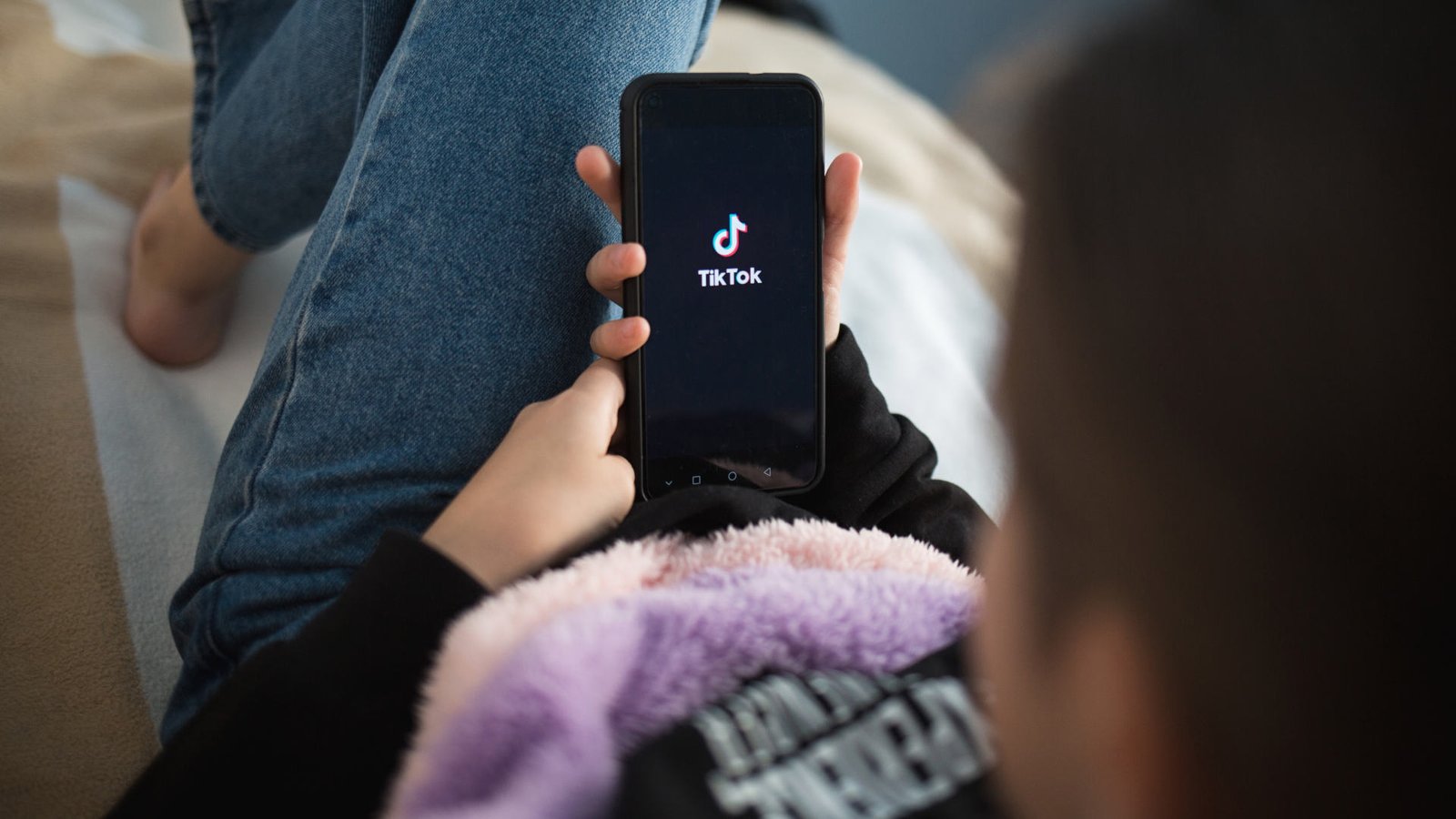
UNITED STATES — America’s media landscape is undergoing a transformation so significant that experts say it rivals the introduction of television itself. A new national report has revealed that 1 in 5 U.S. adults now regularly get their news from TikTok — a platform once dismissed as a teen entertainment app. What was once mainly a place for dances, humor, music challenges and viral edits has now evolved into a major national news stream, influencing political understanding, shaping public opinion and redefining how Americans consume information daily.
Just a few years ago, TikTok was not remotely associated with serious news. It was a playful platform dominated by creativity, fun, and short content. But today, the app stands at the heart of American information culture. The shift happened gradually at first, then suddenly accelerated — especially during the pandemic, social justice movements, election cycles, natural disasters and global events where firsthand short videos spread faster than traditional reporting. These moments created a new habit for millions: turning to TikTok for immediate, unfiltered updates whenever something major happened.
According to the latest Pew Research data, the rise has been extraordinary. In 2020, only about 3 percent of American adults used TikTok for news. Now, nearly 20 percent — representing tens of millions of people — say they rely on it regularly. This doesn’t just signal a shift in platform choice. It signals a shift in trust, a shift in speed, and a shift in how Americans decide what is credible, relevant and important.
The most dramatic numbers appear among younger Americans. A remarkable 43 percent of U.S. adults under 30 now use TikTok as a primary or secondary source of news. This makes TikTok more influential among young people than many cable news networks, newspapers and even some major websites. To younger generations, TikTok has become part news feed, part public square, part reality window and part emotional diary of the world.
For decades, America’s news flow followed a familiar pattern: newsrooms gathered information, anchors delivered it, audiences consumed it. TikTok has flipped that model upside down. Now, everyday citizens, local witnesses, passionate commentators, researchers, reporters, teachers, analysts and influencers all participate in real-time storytelling. The result is a more dynamic but also more chaotic information environment where stories evolve at lightning speed, perspectives shift instantly, and the public sees events through thousands of angles instead of one polished broadcast.
This shift has also created one of the largest generational gaps in American media behavior. Older viewers continue to rely on television, radio and established digital outlets. Younger viewers gravitate overwhelmingly toward short-form video platforms. This difference affects how communities discuss issues, how families debate news, and how generations interpret the same event in completely different ways.
The speed of TikTok has become one of its biggest advantages. When a natural disaster strikes, when a protest breaks out, when a celebrity announces something publicly, when an election result is revealed, when a global crisis erupts — TikTok often shows the first clips within minutes. These are not edited or planned segments. They come directly from people who are present at the scene, using their phones to document unfolding events. This raw, human, unfiltered perspective gives viewers a sense of immediacy, empathy and realism that traditional broadcasts struggle to match.
But with speed comes complexity. A video posted quickly may lack full context. It may capture emotion but not complete facts. It may spread a single viewpoint rather than a balanced perspective. This means millions of Americans may form initial judgments based on incomplete or sometimes incorrect information — long before journalists release full reports.
This dynamic has pushed newsrooms across the country to adapt. Many traditional outlets have launched TikTok accounts dedicated to short news explainers, fact-checks, visual summaries, and quick updates aimed at younger audiences. Reporters who once specialized in long articles now produce short video explainers. Editors who once oversaw lengthy reports now manage short-form content teams responsible for fast, high-impact updates. Entire departments have shifted from text-first to video-first strategies.
The evolution is not limited to news organizations. Government agencies such as FEMA, the National Weather Service, public safety departments, and city offices increasingly use TikTok to spread important alerts. During hurricanes or wildfire seasons, TikTok becomes a rapid-response communication tool. Informational videos from authorities often go viral, ensuring citizens receive timely warnings faster than waiting for TV broadcasts or website updates.
For many young Americans, TikTok feels like a platform where news is not simply reported — it is felt. The emotional element is stronger. People share their reactions, frustrations, hopes and struggles. They talk directly into the camera, explain their lives, and connect deeply with viewers. This emotional authenticity often resonates more than the neutral tone of traditional reporting, making TikTok feel more personal and relatable.
Young viewers say they trust creators because they speak in plain language, avoid complicated terminology, and provide real experiences. They also value how creators break down difficult topics — inflation, immigration policy, tech regulation, student loans, international conflicts — into simple, visual explanations. A 60-second TikTok may help someone understand what a 10-minute article cannot.
But the same features that make TikTok engaging also increase the risk of misinformation. A creator may unintentionally share incorrect details. A protest video may not show full context. A political explanation may lack nuance. Viral content can overshadow verified information. Researchers note that the platform’s algorithm prioritizes engagement — not accuracy — which can lead to the rapid spread of emotionally charged but misleading content.
This concern becomes especially serious during election cycles. Political messaging on TikTok can reach millions instantly. Short-form persuasion, campaign talking points, emotional appeals, and partisan commentary spread quickly. Some creators are paid to influence opinions; others do so unknowingly. Understanding the origin and intent behind political content becomes challenging for the average viewer.
However, TikTok’s role as a news platform is not universally negative. Many experts argue that it has increased civic awareness among younger generations. They say short videos make news more accessible and encourage viewers to engage, discuss, share and think critically. TikTok can introduce young people to stories they might otherwise ignore — social issues, human rights violations, climate updates, health advisories, local community concerns and global developments.
Teachers report that while students rely heavily on TikTok, they also become more curious about the world, asking for explanations, wanting verification, and looking for deeper understanding of events they discover through the platform. Schools are now adopting media literacy programs that include analyzing TikTok videos, understanding sources, spotting manipulation and learning to verify facts using trusted outlets.
Parents express mixed opinions. Some appreciate that TikTok exposes their children to news they may not encounter elsewhere. Others worry about emotional overload, manipulative content or inaccurate information. Many adults feel unprepared to guide their children in a digital world where information spreads faster than they can monitor.
Politicians, meanwhile, have embraced TikTok as a necessary campaign battlefield. Local and national candidates hire TikTok strategists who understand platform culture, memes, trending sounds, editing styles and algorithm patterns. Campaign videos are designed to feel authentic rather than scripted. Short, emotional, direct messaging performs best, influencing voter perceptions more effectively than traditional ads.
Creators often play a larger role in political culture than reporters or commentators. Their opinions, endorsements, criticisms and reactions shape how millions interpret political debates, speeches or controversies. This influence raises questions about transparency, accountability and bias — especially when creators are paid to promote certain messages.
The rise of TikTok as a news platform has also changed how communities respond to local events. When something happens in a neighborhood — a crime, a fire, a public dispute, a school issue — residents often upload videos that spread quickly, pressuring local authorities to respond. This real-time exposure can increase transparency but can also spark confusion if early videos lack full context.
Furthermore, short videos have become an important tool in documenting environmental issues, community struggles, health problems and social injustices. These firsthand perspectives often go viral, prompting national discussions, donations, policy responses or media coverage.
In many ways, TikTok is democratizing news — giving everyone a platform to share experiences. But it is also decentralizing journalism, making information more fragmented, emotional and fast-paced.
As the United States adapts to this transformation, experts say the country must focus on improving digital literacy, strengthening fact-checking mechanisms, and teaching citizens — especially young ones — how to distinguish reliable information from misleading content. This approach is essential as millions depend on platforms like TikTok to navigate world events.
One of the most interesting aspects of this evolution is how much Americans value relatability. People follow creators who talk like them, live like them, or experience similar issues. This personal element makes TikTok feel more trustworthy, even when creators lack formal training. It reflects a broader cultural shift where authenticity is valued more than professionalism.
The daily consumption patterns of Americans have also changed. Many individuals start their mornings scrolling through TikTok for quick updates on everything — weather, sports scores, financial advice, political developments, global crises and local news. They treat the app as an all-in-one digital dashboard.
This pattern continues throughout the day, with millions checking TikTok during lunch breaks, commutes or before bed. News becomes woven into their daily routines rather than something they intentionally seek through TV or newspapers.
Interestingly, TikTok has also reshaped breaking news culture. Viral clips often become the first indicators of developing events. Traditional newsrooms frequently discover stories through TikTok before receiving official reports. Some journalists monitor the platform as part of their job, searching for potential leads, eyewitness footage or emerging trends. This reliance demonstrates how completely TikTok has integrated into the American news ecosystem.
With this level of influence, it is no surprise that major brands, companies and public figures use TikTok to communicate. From policy announcements to public advisories, many organizations now prefer TikTok’s speed and reach over long press releases. Even universities, hospitals, weather centers and transportation departments rely on TikTok to deliver quick information to vast audiences.
The future of TikTok news is expected to grow even more. Analysts predict that as younger generations age, their news habits will remain anchored in short video formats. This means TikTok — or platforms like it — will shape national understanding for decades to come. The format may evolve, but the underlying preference for quick, visual, emotional news will remain strong.
What concerns experts now is not whether TikTok is the future of news — because it clearly is for millions — but how well the country will prepare people to handle that type of information responsibly. As more Americans rely on short videos to understand major issues, the importance of critical thinking becomes undeniable.
Verified Source
In Short:
- 1 in 5 Americans now get news directly from TikTok.
- Young adults rely on TikTok more than any traditional source.
- The platform spreads both useful news and misinformation rapidly.
- U.S. journalism, politics and education are adapting to this shift.
- TikTok has become a powerful influence in shaping national opinion.
Q&A: Common Questions
Q1. Why do millions of Americans use TikTok for news?
Because it is fast, visual, easy to follow, and tailored to personal interests. The short video format makes complicated news easier to understand.
Q2. Is TikTok reliable?
It depends on the creator. Some offer accurate insights and verified information. Others may share incomplete or incorrect details. Always double-check major claims.
Q3. Does TikTok affect political thinking?
Yes. Influencers and creators shape public opinion, especially among younger voters, through emotional short-form content.
Q4. Will TikTok replace traditional news?
Not completely, but it will remain a primary source for younger generations. Traditional outlets will adapt by using more short-form video formats.
Q5. How should Americans deal with TikTok news?
By verifying information, following trusted creators, and maintaining awareness of biases and algorithm-driven content.
Sources: Pew Research Center, NewsSparq Editorial Review.








Leave a Reply