

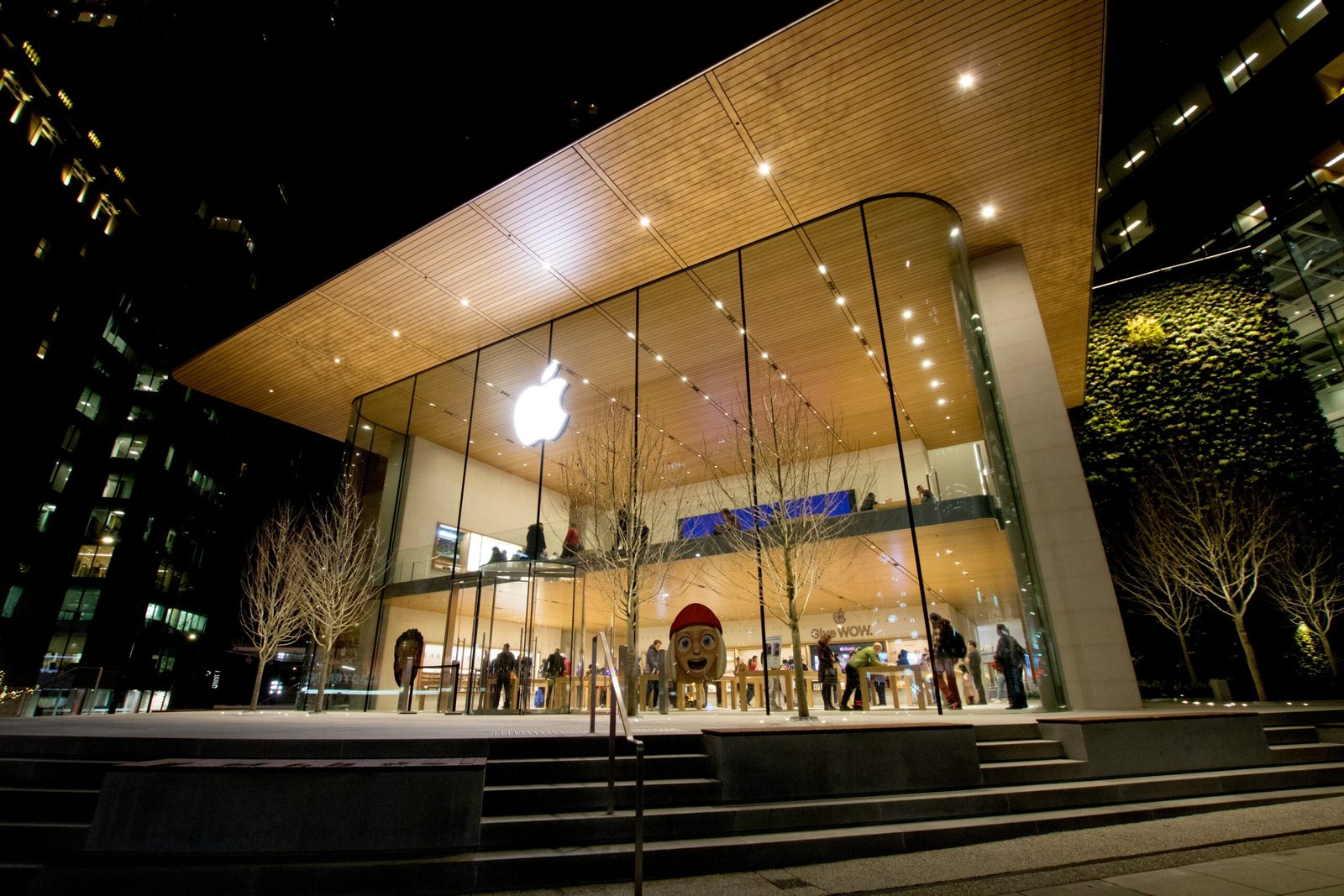
BRUSSELS. Apple is facing a new wave of legal pressure after Europe’s highest court cleared the way for developers to pursue antitrust damages over App Store fees. The decision, reported by Reuters, allows Dutch courts to hear claims that accuse Apple of overcharging developers and limiting competition through its in-app payment rules. For many in the tech industry, this ruling signals that a long-running fight may now be entering a sharper, more complicated phase.
The ruling also set off movement in the legal world. According to Bloomberg, the decision immediately encouraged developer groups across Europe to begin preparing new class-action filings. Several legal teams told Bloomberg the court’s stance gives them a clearer path than they have had in years, especially when it comes to challenging Apple’s mandatory App Store commission structure.
Apple, for its part, maintains that its App Store rules exist to protect user safety and privacy. The company has said many times that loosening these restrictions could expose consumers to fraud, unsafe apps, or unreliable payment systems. But developers argue that Apple’s controls limit innovation and make it harder for smaller companies to compete. Now, with courts willing to hear those claims, the conversation is shifting.
Some analysts say the timing makes this moment even more critical. Apple is already under pressure from Europe’s Digital Markets Act, which has forced the company to rethink parts of its ecosystem. The possibility of multiple lawsuits landing at the same time could increase that pressure. Others believe the situation may echo far beyond Europe, potentially influencing future legal battles in Australia, the U.S., and parts of Asia.
But it’s not all one-sided. Apple still has strong support among its users and a reputation for consistent oversight over its app system. A few experts noted that even if Apple adjusts certain policies, the company’s overall ecosystem is unlikely to lose its strength. They say the court ruling is significant, but it won’t instantly rewrite how developers and Apple operate together. It will, however, push both sides into a space where negotiation and legal strategy matter more than before.
Developers seem energized by the ruling. Some smaller app makers told Reuters they previously avoided lawsuits because the path felt unclear or too expensive. Now, with Europe’s highest court opening the door, they see an opportunity to challenge practices they’ve long viewed as unfair. Whether these cases succeed is still uncertain, but the momentum has shifted.
Consumers may eventually feel some effects, though probably not right away. If Apple adjusts fees or payment structures, developers may experiment with pricing or features. But experts also warn that app economics are complicated, and changes rarely reach users immediately. For now, the attention remains on what happens in court and how Apple chooses to respond.
What’s clear is that this ruling marks a turning point. The debate over Apple’s control of the App Store is no longer centered on a single major lawsuit. It has become a broader question about how a dominant platform should operate in a global digital market. And while Apple has weathered scrutiny before, developers say this moment feels different — more organized, more confident, and backed by the highest legal authority in Europe.
In Short
- The EU’s top court ruled that Dutch courts can hear antitrust damages claims against Apple.
- Bloomberg reports new class-action efforts already forming across Europe.
- Developers say the decision strengthens their ability to challenge App Store fees.
- Apple argues its rules protect users and ensure safe app distribution.
- The ruling could influence similar cases in the U.S. and other regions.
Expert Q and A
Why does this ruling matter?
It gives developers a clearer legal path to challenge Apple’s App Store rules and seek damages over commission fees.
Is Apple found guilty of antitrust violations?
No. The ruling doesn’t decide guilt — it only allows courts to hear developer claims. Actual outcomes will depend on future cases.
Will app prices change for users?
Not immediately. If Apple is pushed to lower fees, developers may adjust pricing later, but there is no guarantee.
Could this spread outside Europe?
Yes. Analysts believe the ruling could influence ongoing discussions in the U.S. and other regions exploring App Store regulation.










Leave a Reply