

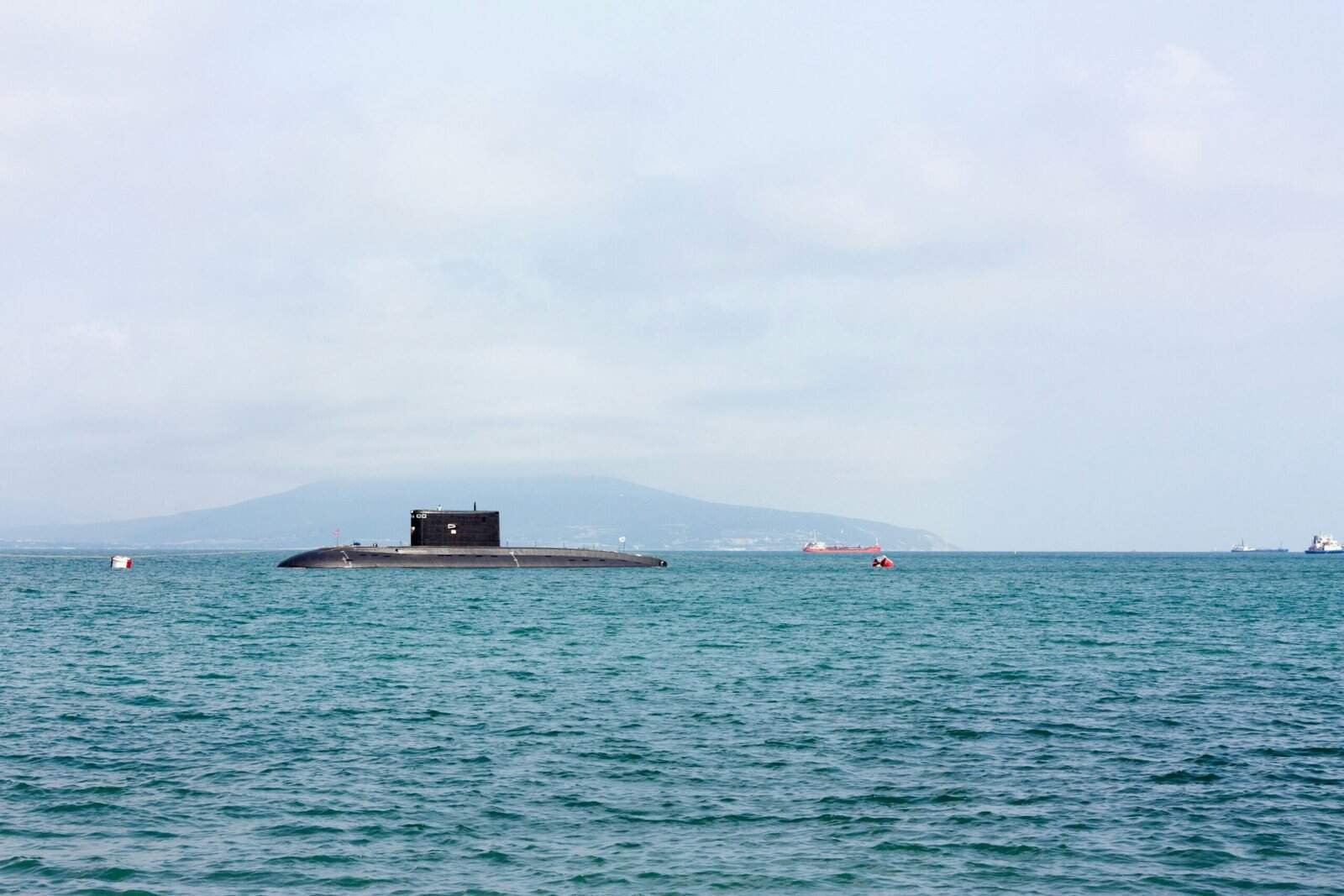
(LONDON, UNITED KINGDOM — Defence Corridor) — In a landmark announcement that cements trans-Atlantic industrial cooperation, BAE Systems and General Dynamics Mission Systems confirmed a multi-billion-dollar contract to deliver the AN/BYG-1 combat system for the upcoming AUKUS SSN-AUKUS class nuclear-powered submarines. The deal signals a new phase of technological partnership among the United States, United Kingdom, and Australia, designed to bolster allied deterrence in the Indo-Pacific.
A milestone in AUKUS defence integration
The AUKUS partnership — announced in 2021 between the United States, the United Kingdom, and Australia — aims to share advanced defence technologies, most notably nuclear-powered submarine capabilities. The latest contract brings the industrial component of that vision to life. Under the new agreement, BAE Systems (UK) and General Dynamics Mission Systems (US) will jointly integrate the AN/BYG-1 combat system, the same sophisticated software backbone used on U.S. Navy Virginia-class submarines, into Australia’s future SSN-AUKUS fleet.
The AN/BYG-1 system manages sensors, weapons, navigation, and communications — effectively serving as the submarine’s digital brain. It fuses real-time sensor data with tactical decision aids to provide commanders unparalleled situational awareness and target tracking. By adopting a common system across allied fleets, the AUKUS nations aim to simplify interoperability, joint exercises, and logistics support.
🎥 Watch on YouTube — “UK awards £4 BN contract to build AUKUS nuclear submarines” (Sky News Defence, November 2025)
The video above shows the announcement of the £4 billion submarine contract, including interviews with defence officials and BAE Systems executives. It illustrates the scale of the AUKUS program and the collaboration underpinning this industrial effort — a project spanning three continents, multiple shipyards, and thousands of engineers.
Industrial and strategic significance
The deal is worth an estimated $4.2 billion combined, with work distributed across BAE’s Barrow-in-Furness shipyard, General Dynamics facilities in Massachusetts and Virginia, and Australian defence hubs in Osborne, South Australia. Analysts say the agreement could sustain more than 7,000 skilled jobs across the three partner nations and stimulate allied supply chains for decades.
Strategically, the program deepens industrial interdependence between the U.S., UK, and Australia — a core objective of AUKUS Pillar I. The shared combat-system architecture ensures that all AUKUS submarines will communicate seamlessly through encrypted networks, exchange sensor data, and execute coordinated missions, whether patrolling the Pacific or protecting undersea infrastructure in the North Atlantic.
Technology overview: the AN/BYG-1 “brain”
Originally developed by the U.S. Navy and General Dynamics, the AN/BYG-1 integrates sonar processing, weapons control, electronic warfare, and command functions into a single open-architecture framework. Its modular software allows rapid upgrades, so future AI-assisted navigation, undersea drones, or advanced torpedo guidance can be added without redesigning the entire system.
By embedding the same system across allied fleets, the U.S. and UK are also ensuring that critical software updates and cyber-security patches can be distributed quickly across the entire AUKUS network. This cyber-resilience aspect is vital given the increasing vulnerability of undersea warfare systems to digital intrusion.
📸 Instagram — “BAE Systems highlights collaboration on AUKUS submarine combat systems.” (Official @baesystemsplc)
Economic impact and jobs creation
According to BAE Systems, the contract will support thousands of engineers, technicians, and software specialists across allied facilities. In the UK, over 1,500 new positions are expected in advanced systems engineering and cyber-defence. In the U.S., General Dynamics will expand its software laboratories to handle additional development, while in Australia, workforce training programs are already underway to prepare local shipyards for technology transfer.
The partnership is also expected to boost small- and medium-sized enterprises (SMEs) in the defence-technology supply chain. Components ranging from microprocessors to sonar arrays will be sourced through allied subcontractors, generating ripple effects across electronics, materials, and maritime-support industries.
Geopolitical backdrop
The timing of the deal aligns with renewed geopolitical tensions in the Indo-Pacific. The AUKUS pact is widely viewed as a counterbalance to China’s naval expansion. By accelerating the SSN-AUKUS program, the partner nations aim to ensure credible undersea deterrence and freedom of navigation in contested waters.
Defence analysts emphasize that beyond deterrence, AUKUS represents a structural shift in allied defence-industrial policy — creating a permanent tri-national production and innovation ecosystem rather than isolated national programs.
Statements from industry leaders
Charles Woodburn, CEO of BAE Systems, said: “This contract is a vote of confidence in our shared ability to deliver world-class undersea capabilities. The integration of U.S. and UK combat-system expertise will give AUKUS submarines an unmatched technological edge.”
Chris Brady, President of General Dynamics Mission Systems, echoed the sentiment: “The AN/BYG-1 has been the backbone of U.S. submarine warfare for two decades. Extending its reach through the AUKUS partnership ensures common operational language, data standards, and tactical advantage for our allies.”
Defense budget alignment and policy context
The deal follows recent increases in U.S. and UK defence budgets and new funding streams under the AUKUS Industrial Cooperation Act. For Australia, participation requires extensive domestic infrastructure investment, but Canberra views it as essential for national security and industrial modernization. Officials estimate more than AUD $8 billion in domestic economic impact over the program’s lifespan.
Environmental and sustainability aspects
The program also incorporates green-shipyard practices, waste-reduction initiatives, and strict nuclear-safety frameworks. BAE’s Barrow facilities are adopting low-emission energy systems, while U.S. partners are integrating advanced cooling technologies to reduce environmental impact.
Public reaction and strategic debate
Reactions from policy circles have been broadly positive. Supporters argue the deal reinforces collective security, creates jobs, and signals Western unity. Critics, however, caution about potential escalation in regional arms competition. Still, most analysts agree that the collaboration demonstrates responsible, transparent defence industrial policy — with the potential to raise technological standards across the board.
In Short
- BAE Systems and General Dynamics Mission Systems secure the contract to equip AUKUS submarines with the AN/BYG-1 combat system.
- Deal strengthens allied defence integration among the U.S., UK, and Australia.
- Expected to create thousands of skilled jobs and boost supply-chain industries.
- Marks a key step toward interoperable, next-generation allied undersea capabilities.
Looking Ahead
Over the next 12 months, development of AUKUS combat-system integration will continue in parallel with submarine hull fabrication. The first trials are planned for the late 2020s. Defence officials hint that future software upgrades could leverage artificial intelligence for autonomous threat detection and undersea-drone coordination — signalling a new era in digital naval warfare.
Q & A
Sources: UK Ministry of Defence; BAE Systems press office; General Dynamics Mission Systems statements; Reuters; Sky News Defence; The Australian.















Leave a Reply