

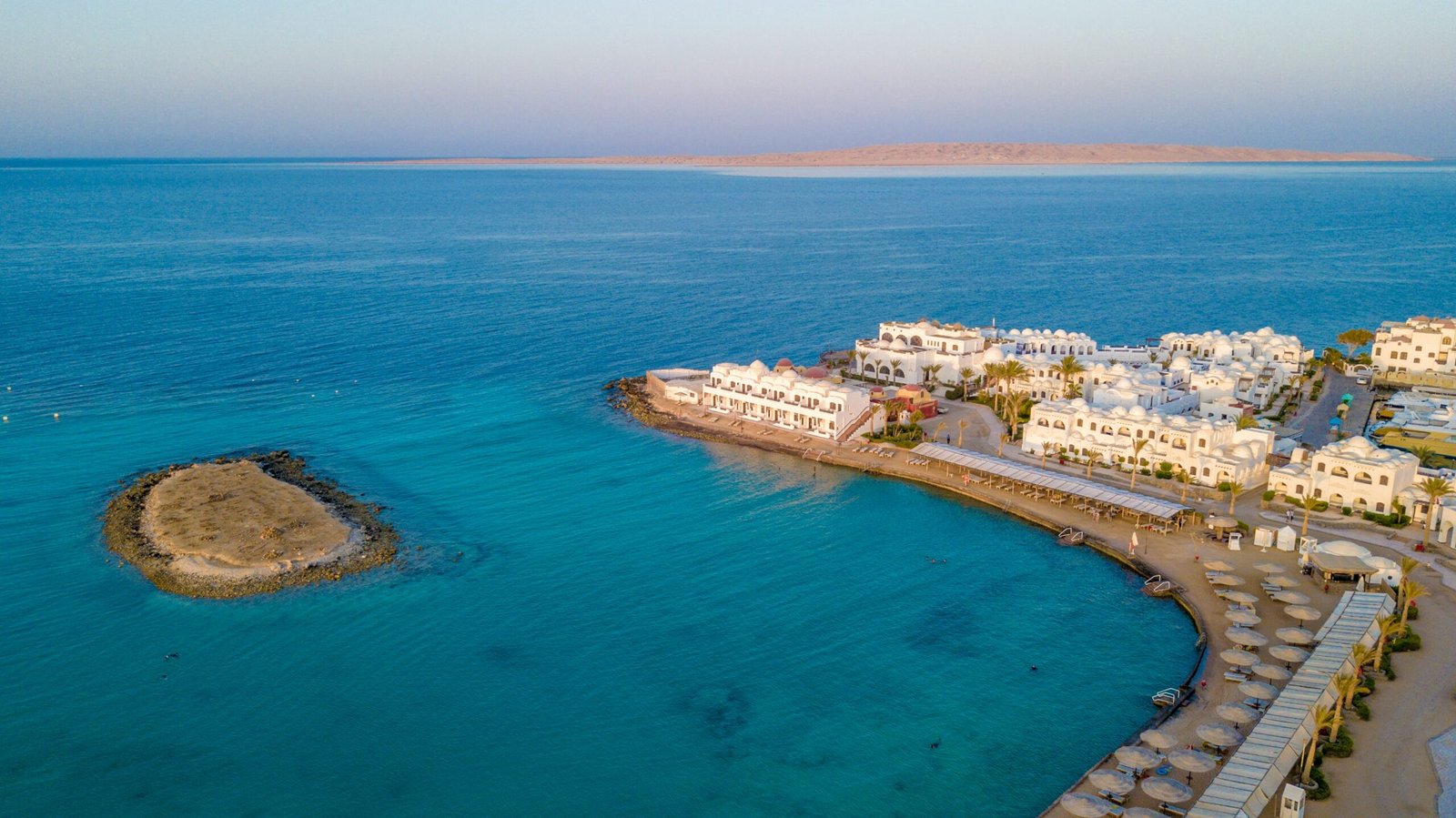
EGYPT. Egypt’s tourism sector is gaining fresh momentum as major Gulf investments begin reshaping large stretches of the Red Sea coastline. Officials in Cairo say the rise in capital from partners in the UAE, Saudi Arabia, and Qatar is not only helping the country upgrade its tourism infrastructure but also giving the industry a level of stability it struggled to maintain in the past few years. Much of the money is flowing into coastal resorts, hospitality projects, and long-term plans that aim to bring millions more visitors each year.
The renewed interest from Gulf nations has arrived at a time when Egypt is trying to ease financial pressure and rebuild investor confidence. Large development deals announced over the past months show how quickly investment patterns are shifting. A recent multibillion-dollar commitment for the Marassi Red Sea area, involving regional developers and local partners, is being described by analysts as one of the clearest signs of how strongly Gulf states now view Egypt’s tourism potential. For Cairo, it offers a mix of economic relief and long-term strategic value, especially as the country tries to strengthen its position as a top destination.
Gulf investors have been exploring opportunities along both the North Coast and the Red Sea, often focusing on new luxury resorts, residential districts, and mixed-use developments. Officials involved in the agreements say part of the appeal is Egypt’s ability to offer large, undeveloped coastal zones that can support multi-phase projects stretching over several years. Even so, the pace of investment has accelerated far more quickly than many expected, suggesting that regional economic cooperation is becoming a central part of Egypt’s tourism strategy.
Instagram Reel
The Marassi development, which carries an investment value reported at around EGP 900 billion, is just one example of how large these projects have become. Developers involved in the deal say the project aims to turn the Red Sea stretch into a cluster of high-end resorts, marinas, and entertainment districts capable of attracting both regional and international travelers. People familiar with the planning say construction is designed to roll out in stages, with the early focus on building core hotel zones and waterfront attractions before moving toward residential expansions.
Tourism experts following these deals say the timing is interesting. Egypt’s visitor numbers have risen strongly through 2024 and 2025, and the country is expecting to reach or possibly exceed nineteen million arrivals by the end of this year, according to early industry estimates. Even with global economic uncertainty, the Red Sea has remained a steady, high-demand region, and some analysts believe the new wave of Gulf investment is partly based on confidence that the area can become one of the most competitive tourism corridors in the Middle East.
At the same time, there are questions about how these projects will affect local communities and long-term planning around the coastline. Some observers say Egypt has to balance rapid development with environmental protection, especially in areas known for coral reefs and natural marine life. Others note that investment-driven growth can sometimes make tourism markets more volatile. Still, officials in Cairo argue that the country needs to push ahead to remain competitive, and that well-managed partnerships with Gulf states can help modernize key parts of the economy.
People involved in the negotiations say the next two years will be crucial as developers begin breaking ground on new phases and governments evaluate the early economic impact. There is also talk in policy circles about whether additional Gulf-backed agreements could follow, especially as Egypt upgrades airports, transport routes, and tourism facilities across major destinations. Some analysts think more deals are likely, pointing to the way regional investment flows have shifted over the past year. Even so, they say the real test will be how quickly projects turn into functioning destinations capable of pulling in steady numbers of international travelers.
In Short
- Gulf countries are investing heavily in Egypt’s Red Sea tourism sector.
- Major projects include luxury resorts, marinas, and long-term coastal developments.
- Egypt is seeing rising visitor numbers and renewed economic confidence.
- Analysts say the Red Sea could become one of the region’s strongest tourism corridors.
- Officials believe the investments will support economic stability and future growth.
Why are Gulf countries investing in Egypt’s tourism sector?
Investors see strong long-term potential in Egypt’s coastal destinations, especially along the Red Sea, and believe the country can support large-scale tourism growth.
What makes the Red Sea region attractive to developers?
It offers long stretches of undeveloped coastline, warm weather year-round, and strong demand from international travelers.
Will these investments help Egypt’s economy?
Officials believe so, since tourism is a major source of revenue and Gulf-backed projects often bring jobs and infrastructure improvements.
Are there any concerns about rapid development?
Some analysts highlight environmental challenges and the need for long-term planning to avoid overdevelopment.



Leave a Reply