

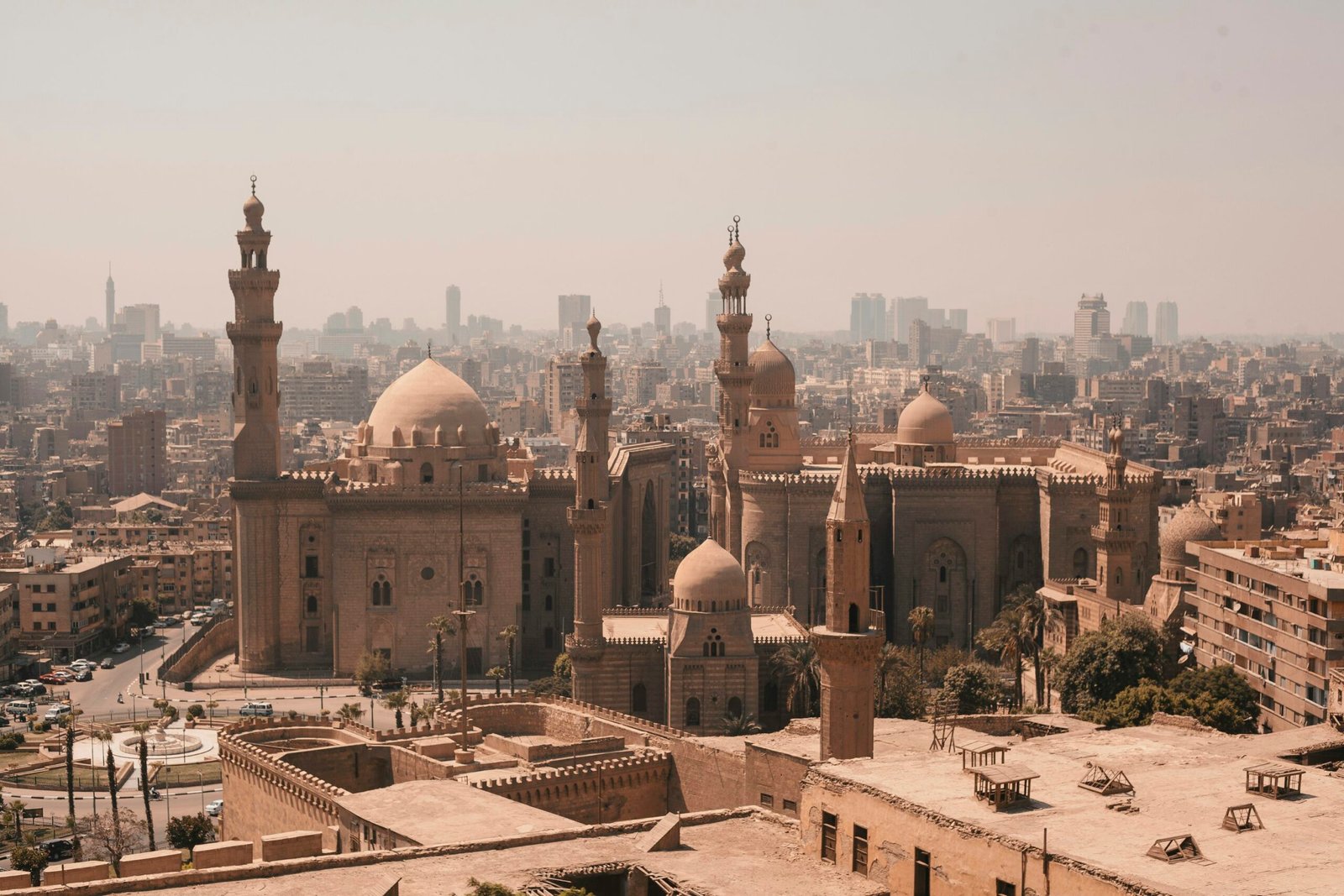
CAIRO. Egypt’s non oil private sector recorded its strongest expansion in five years during November according to new data released this week. The monthly purchasing managers index from S and P Global rose to 51 point 1 up from 49 point 2 in October signaling a clear return to growth for key industries. The report highlighted a broad rise in output new orders and business confidence marking a turning point for companies that have faced years of currency pressure rising import costs and global supply disruption. These findings were first reported by Reuters.
The improvement was not limited to one area. Manufacturing construction and service providers all reported stronger activity and more stable pricing conditions. Analysts say the uptick has been supported by a firmer Egyptian pound which helped reduce the cost of imported goods and raw materials. Companies surveyed said they experienced a noticeable rise in customer demand both domestically and regionally. Local economic observers from Ahram Online noted that the stronger currency allowed firms to adjust budgets more confidently while planning new investments.
Despite the improvement in output the survey indicated that employment across the non oil private sector remained largely unchanged. Businesses continued to operate with existing staff rather than expand their workforce although several executives surveyed said they expect hiring to pick up if the current trend continues. According to reporting from Arab News the stability in jobs reflects the cautious optimism among firms that are monitoring inflation trends and consumer spending before making long term commitments.
As the new figures gained attention across financial circles interest in Egypt’s economic recovery intensified. Investors and regional analysts pointed to the PMI rise as a sign that the country may be entering a more sustainable phase of growth after several years of volatility. The government has recently accelerated efforts to improve the investment climate strengthen currency stability and support export focused sectors. Economists say these moves are beginning to translate into more consistent performance across non oil industries.
The improvement in November’s data also arrives at a time when several major global institutions have upgraded their outlook for Egypt. Many expect inflation to cool further through early 2026 which would allow firms to manage expenses more effectively and encourage greater consumer activity. Companies surveyed for the index reported a more stable price environment than earlier in the year when currency fluctuations made financial planning difficult. The relative calm in input costs allowed managers to shift attention toward productivity improvements and expansion plans.
Several economists interviewed in local press highlighted that the rise in new orders may indicate growing confidence among both domestic and regional buyers. Businesses across the Gulf and North Africa have shown renewed interest in Egyptian goods partly due to improved price competitiveness. Firms also mentioned that logistical networks have become more reliable in recent months which reduced delays and improved customer satisfaction.
However the report also emphasizes areas that require more attention. While output and new orders grew hiring did not increase at the same pace. Some analysts believe that companies are waiting to see whether the current growth momentum becomes consistent. Others argue that firms have become more efficient during the past two years and may not need to expand their workforce immediately. Even with this caution the overall sentiment remains positive.
The data has encouraged several research groups to revise their projections for Egypt’s broader economy. Some expect the country to achieve real growth above five percent in the coming quarters if global conditions remain steady. Economists believe that the combination of currency stability easing inflation and stronger demand may support a more predictable business environment.
Business leaders quoted in regional media expressed optimism about the next six months. Many reported that they expect stronger purchasing activity from both consumers and corporate clients. Several firms have begun preparing for new export agreements and are exploring opportunities in African and Middle Eastern markets. The renewed confidence is also reflected in local investment interest with more companies considering expansion in production capacity and service offerings.
Despite the positive figures leaders in the private sector say that continued support from policymakers remains essential. They emphasized the need for predictable regulations and consistent access to foreign currency for imports. They also expect that improvements in infrastructure and logistics will further enhance the country’s competitiveness in regional markets.
As economic conditions stabilize analysts predict that Egypt’s non oil private sector could become a major driver of national growth in the coming year. The new PMI reading lays a foundation that may encourage more investment and foster stronger partnerships with global firms. The next few months will reveal whether this momentum can be sustained and whether companies will expand their workforce to match rising demand.
In Short
- Egypt’s non oil private sector recorded its strongest growth in five years with the PMI rising to 51 point 1.
- Stronger currency and more stable input costs supported higher output and improved sentiment.
- Major sectors including manufacturing and services saw improvement although hiring remained steady.
- Regional analysts expect continued momentum as inflation cools and business confidence rises.
Expert Q and A
Why is the rise in the PMI significant for Egypt
It marks the strongest improvement in five years and signals renewed confidence among businesses which may support broader economic growth.
Which sectors contributed most to the improvement
Manufacturing construction and services all reported stronger performance helped by more stable pricing and higher demand.
Why did employment remain flat
Firms prefer to operate with existing staff until they are confident that the current growth trend will continue through the coming quarters.
What could support future growth
Stable currency conditions lower inflation and more predictable regulations would help firms invest with greater confidence.










Leave a Reply