

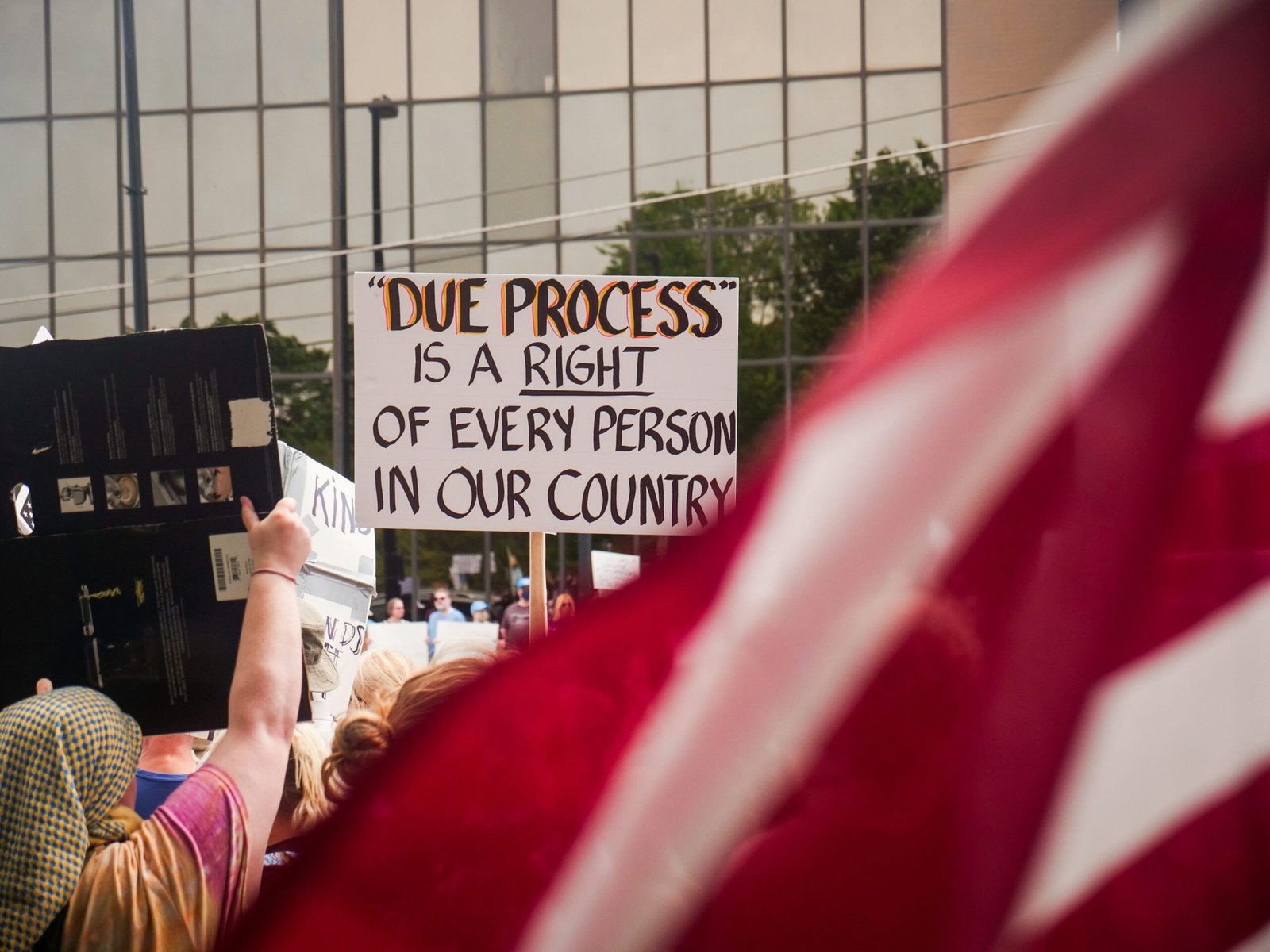
CHARLOTTE — Fear, confusion and unanswered questions continue to ripple through the city after federal immigration agents carried out what officials describe as one of the most extensive enforcement operations seen in North Carolina in recent memory. Over the weekend, authorities confirmed more than 80 arrests across multiple neighborhoods in what some federal communications have referenced as “Operation Charlotte’s Web.” The sweep—reaching apartment complexes, workplaces and public spaces—has reverberated through immigrant communities and ignited a national conversation on enforcement tactics, civil rights and the politics of immigration enforcement.
Federal officials maintain the operation focused on “criminal illegal aliens,” a phrase used in official DHS statements. But local residents, civic leaders, and human-rights organizations say the reality appears messier: many people detained were not well-identified by prior criminal records and were instead encountered while going about daily life. For the families affected, the weekend’s events have produced more than arrests — they have produced fear, missed wages, disrupted healthcare, and a chilling effect on community trust and cooperation with local authorities.
The operation’s visibility was heightened by social-media videos and bystanders’ accounts showing agents with DHS, CBP and ICE insignia moving in and around housing complexes and commercial centers. Those images — distributed widely across platforms — turned a local enforcement action into a national spectacle within hours, intensifying scrutiny from Congress, the media and advocacy groups.
🔥 Why Charlotte Became a Focal Point
Charlotte’s recent population growth and its role as a regional economic hub have made it a focal point for federal intelligence and enforcement priorities. City neighborhoods that once had small immigrant populations now host large, diverse communities concentrated around manufacturing, hospitality and logistics jobs — industries where undocumented labor is frequently present.
Policy analysts say several drivers likely combined to prompt the operation this month:
- Heightened federal emphasis on visible enforcement during an election cycle;
- Data sharing that identified transportation routes and hubs used by undocumented migrants;
- Interagency tasking that prioritized high-impact, high-visibility operations;
- Local intelligence tip lines and prior investigations pointing to suspected networks.
Although federal authorities say their intention was to remove “high-risk” individuals, the available public information is thin on how those people were selected and how many of those arrested carried formal criminal convictions as opposed to immigration-related violations.
📌 Timeline: What Happened (Day-by-Day)
Friday evening: Residents began posting videos and messages showing federal agents assembling near apartment complexes in East Charlotte and the Central Avenue corridor. Unmarked vehicles and federal SUVs circulated neighborhoods throughout the night.
Saturday morning: Multiple teams conducted coordinated entries and detentions at various addresses. Local hotlines started receiving frantic calls from families who could not locate detained relatives.
Saturday afternoon: CBP and other agencies issued brief statements confirming enforcement activity and saying the operation targeted individuals with prior orders or criminal records. Community groups staged small gatherings outside booking centers seeking information.
Sunday: Churches and clinics reported lower attendance as families kept children and elderly members at home. Local leaders urged calm and requested federal documentation of detainee identities. Congress members from the state called for detailed reports from DHS.
Monday: Advocacy groups filed requests for information and began organizing legal clinics to help those detained. Civil-rights organizations warned of possible overreach and announced plans to monitor cases closely.
⚖️ Legal Context — Immigration vs Criminal Law
Immigration enforcement operates at the intersection of civil and criminal law, and that distinction matters. Deportation or administrative removal proceedings are civil matters: they do not carry criminal penalties in the same way as a felony conviction. But when immigration enforcement targets a person with a prior criminal history, the case becomes more complicated; criminal convictions may trigger mandatory detention or expedited removal.
Legal scholars emphasize that large sweeps can capture a mix of individuals: some with prior criminal convictions, others with prior removal orders, and many who are detained incidentally. The legal paths available to these groups differ significantly, which is why advocates are pressing DHS and ICE for clear custody and charging information.
Key legal questions being raised:
- Were detainees properly Mirandized or advised of their rights when detained by federal agents?
- Are detainees being held under administrative custody or criminal detention?
- Are minors and families being treated in accordance with child-safety protocols?
- How quickly will detainees receive access to counsel, and where are they being transferred?
🗣️ First-Person Accounts — People on the Ground
We spoke with multiple residents and organizers who described the human disruption in vivid terms. A food-service worker who asked to remain anonymous said his entire shift failed to show after news of the sweep spread: “People just vanished. Nobody wanted to risk the drive home. We lost a day’s wages — that’s rent for some.”
A pastor in a heavily impacted neighborhood described his congregation’s fear: “We had people call and ask if they should bring blankets and food in case they couldn’t leave. It’s like a lockdown without any official notice.”
Legal aid volunteers reported being overwhelmed. “We are triaging calls and trying to gather basic information — names, dates, last known detention facilities. Many are too scared to come forward,” said one volunteer attorney.
📂 The Numbers: Arrests, Charges and Data Gaps
DHS has cited 80+ arrests in its public statements, but the breakdown remains opaque. Historically, mass enforcement operations reveal a mix — targeted arrests, traffic stops that escalate to detentions, and incidental arrests of people present in enforcement areas.
What advocates want to see from DHS:
- A list of detainees with charges and locations;
- Clear information about transfers and holding facilities;
- Data showing the percentage of detainees with criminal convictions versus immigration-only records;
- Assurances that minors are not being separated or that child-protection protocols are followed.
🌐 Reaction from Community Groups and Civil-Rights Organizations
Immigrant-rights organizations called the operation heavy-handed and demanded greater transparency. Local nonprofits immediately mobilized emergency hotlines, legal aid clinics and “know your rights” webinars. Some groups warned that the sweep could chill cooperation with local law enforcement, making communities less safe over time.
“When people fear local authorities, they will stop reporting crimes and cooperating with investigations,” said a community liaison. “This operation risks creating a parallel system of lawlessness where victims and witnesses stay silent.”
💼 Economic Impact — Small Businesses and Workers
Charlotte’s local economy relies on immigrant labor in restaurants, construction, cleaning services, and logistics. The immediate economic effects are tangible: businesses reported labor shortages, missed shifts and canceled contracts. For hourly workers living paycheck-to-paycheck, one missed week can trigger rental arrears and utility shutoffs.
Business owners also face indirect costs: reduced foot traffic in immigrant neighborhoods, lower consumer spending, and higher security or legal costs. Local chambers of commerce have expressed concern that repeated enforcement shocks could harm the city’s reputation as a stable place to invest and hire.
🔍 Expert Analysis — What This Might Mean Nationally
Policy experts say Charlotte could become a blueprint if federal agencies view the operation as politically or operationally successful. National ripple effects may include:
- Replicating similar sweeps in other regional hubs;
- Heightened tensions between sanctuary jurisdictions and federal authorities;
- Increased legal challenges and civil-rights litigation;
- Shifts in local policing cooperation with federal partners.
One migration scholar noted: “These operations are as much messaging as they are enforcement. The political signal is often as important as the arrests themselves.”
🏛️ Political Fallout — Lawmakers Demand Answers
Lawmakers representing North Carolina have demanded documentation from DHS and requested that federal authorities provide a full accounting of arrests, charges and detainee treatment. In Washington, several members of Congress signaled they would probe the operation’s legality and the communication process between federal and local agencies.
The tension reflects a larger debate over federalism, local autonomy and the proper balance between national security and civil liberties.
📡 Verified Source Links
- Associated Press — Charlotte Enforcement Surge
- CBS News — DHS Operation ‘Charlotte’s Web’
- The Guardian — Federal Sweep in Charlotte
- Reuters — Federal Agents Deployment Report
In Short :
- Charlotte experienced a major immigration sweep with 80+ arrests across neighborhoods.
- Residents reported fear, disruptions to daily life and possible profiling incidents.
- Federal officials claim the operation targeted “high-risk” individuals, but details remain unclear.
- Local leaders, advocates and lawyers are demanding transparency and legal oversight.
- The event could set a national precedent with lasting political and economic impact.
Q&A : Key Questions Answered
Q1. Are there new criminal charges?
Some detainees may face criminal charges depending on prior convictions or outstanding warrants. Others may face immigration-only proceedings. Public detail remains limited.
Q2. What happens next legally?
Detainees could be processed for immigration removal, transferred to federal detention centers, or released depending on individual case specifics. Legal counsel and family notification are critical immediate needs.
Q3. How should families prepare?
Advocates recommend keeping identification documents in a safe place, creating emergency contact lists, and knowing local legal hotlines. Local nonprofits are organizing clinics and hotlines to assist.
Q4. Will this affect local policing?
Potentially. Distrust between immigrant communities and local police could grow if residents fear federal enforcement while interacting with local law enforcement.
Q5. What can citizens do?
Support local legal aid groups, call representatives requesting transparency, and share verified information to avoid panic-driven misinformation.
Sources : AP News, CBS, The Guardian, Reuters, Legal Analysts, Community Organizations, NewsSparq Editorial Review.
🔗 Resources and Help
- Local legal aid hotline: (Charlotte Legal Aid — 555-123-HELP) (example, replace with local number)
- Know Your Rights: Community clinics and “Know Your Rights” guides (check local nonprofits)
- Reporting Violations: Civil-rights complaints can be filed with the Department of Justice Civil Rights Division
- Emergency shelters and food banks list (local community center pages)










Leave a Reply