

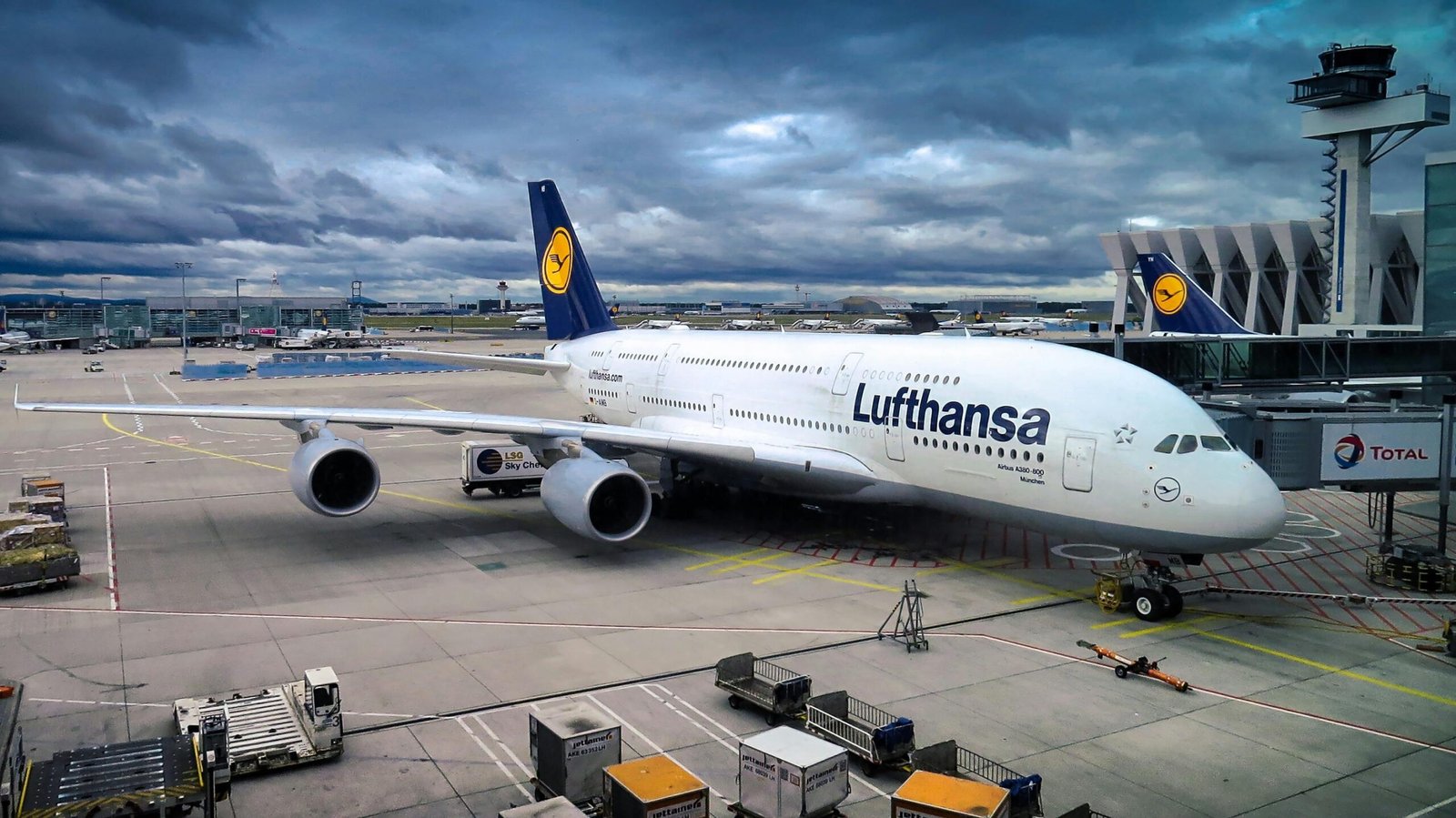
WASHINGTON — The United States is still reeling from the fallout of the historic government shutdown, and today’s travel conditions reveal just how deeply America’s aviation system has been shaken. Thousands of travelers across the country are stranded in terminals as airlines continue to cancel flights, delay departures, and struggle to re-coordinate operations while the Federal Aviation Administration (FAA) works around the clock to recover from severe staffing shortages and system gaps.
The shutdown may be over on paper, but the damage to the nation’s air-travel infrastructure is far from resolved. On Thursday alone, more than 2,300 flights were canceled and over 9,500 faced delays, marking one of the most difficult travel days of November. Airlines report that full normalization could take up to three weeks, especially with holiday travel approaching.
🛫 FAA Struggles After 43-Day Shutdown
During the shutdown, nearly 30,000 FAA personnel — including air-traffic controllers, system technicians, and aviation safety inspectors — were either furloughed or forced to work without pay. Critical training modules were paused, scheduling systems froze, and dozens of airport towers ran with minimum staffing.
FAA officials say the backlog is unlike anything they’ve seen. Thousands of flight plans need approvals, radar systems need recalibration, and hundreds of controllers must complete mandatory recertification before returning to full capacity.
“This wasn’t a simple pause,” said Robert Hughes, spokesperson for the National Air Traffic Controllers Association. “Many systems were sitting still for weeks. You can’t restart high-level aviation infrastructure in a day or two — it requires accuracy, safety checks, and human oversight.”
✈️ America’s Busiest Airports Are Overwhelmed
Travelers at major hubs — including New York JFK, Chicago O’Hare, Atlanta Hartsfield-Jackson, Dallas Fort Worth, Denver, and Los Angeles International — say the chaos is unlike anything they’ve seen since post-pandemic disruptions.
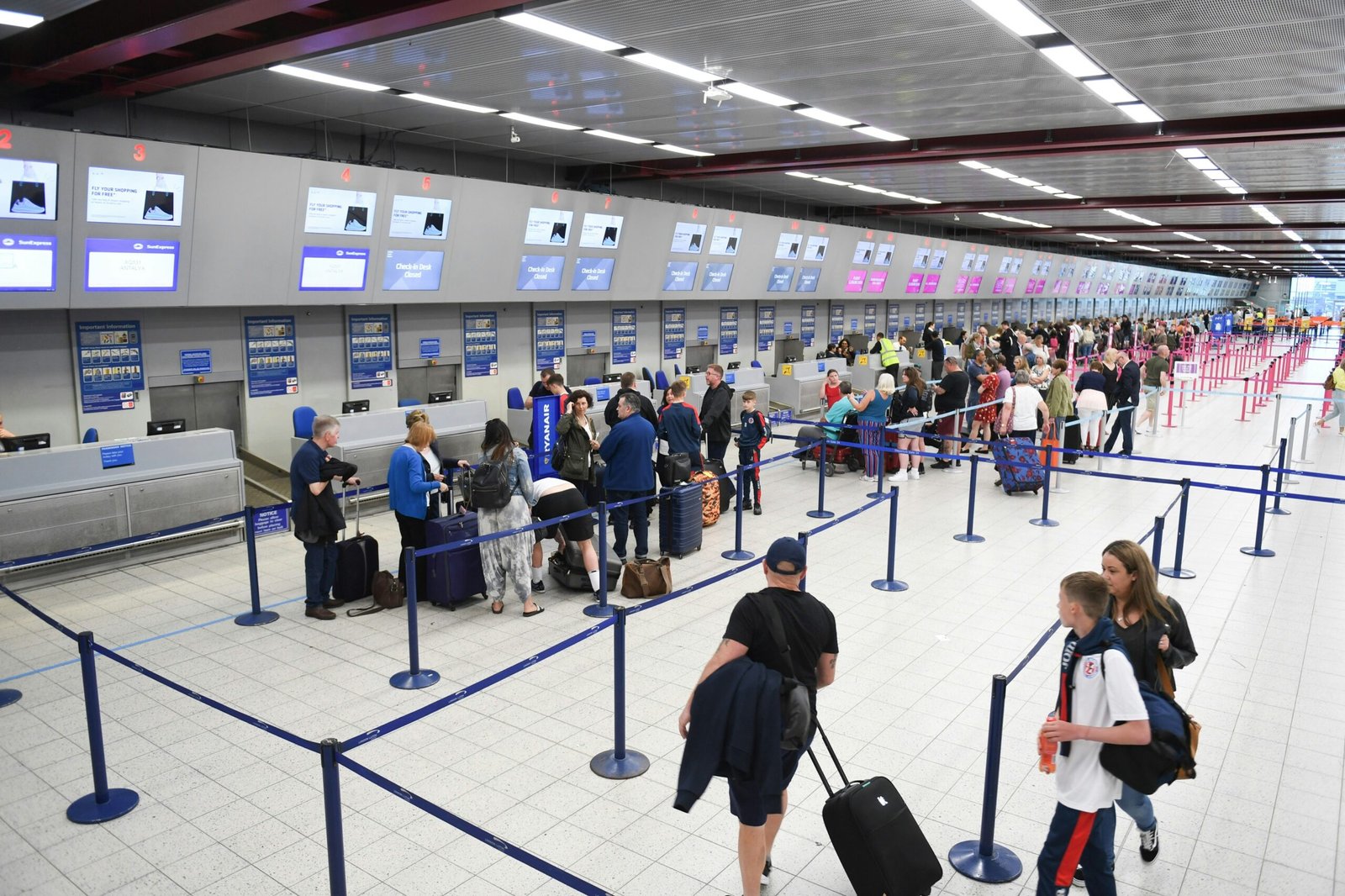
Long lines snake past security checkpoints and down hallways. Airport loudspeakers repeat rebooking announcements. Exhausted families sit on the ground with suitcases as airlines scramble to assign available crews and reposition aircraft stuck in the wrong cities.
“We were supposed to take off at 9 AM,” said Sarah Lopez, who was flying from Boston to Phoenix. “Now they’re saying maybe tonight or tomorrow morning. My kids are exhausted, and no one has answers.”
The ripple effect is massive: one canceled flight triggers crew shortages elsewhere, leading to further cancellations, compounding delays nationwide.
🧳 Passengers Face Emotional and Financial Strain
For ordinary Americans, the shutdown’s consequences feel deeply personal. Missed weddings, lost job interviews, canceled medical appointments, and the stress of multi-day airport stays have sparked widespread frustration.
In Atlanta, a young traveler broke down after learning her flight home was canceled for the second day in a row. In Denver, a business traveler spent the night sleeping on a folded jacket near baggage claim. In Miami, elderly passengers waited in wheelchairs for hours due to understaffed assistance teams.
“I spent $800 on this trip to visit my mother,” said William Turner of Kansas City. “Now I’m spending extra on food and hotels because the airline can’t find me a seat before Saturday.”
Psychologists are warning of mounting “travel fatigue” — a combination of anxiety, exhaustion, and emotional burnout caused by extended uncertainty.
📊 The FAA’s Road to Recovery
The agency estimates that restoring full operational flow will take a minimum of ten days, with some airports requiring even longer. Every major aviation system — from flight routing to runway safety checks — is under review.
Transportation Secretary Pete Buttigieg said in a press conference: “The shutdown has cost our aviation sector billions. We are deploying all available resources, but travelers should expect turbulence — metaphorically and literally — for the next couple of weeks.”
Airlines have cut schedules voluntarily to reduce strain. Some have even brought in reserve crews to manage overwhelming demand at customer-service counters.
🌍 National Economic Impact
The airline and aviation industries are expected to lose over $5.5 billion in the next month due to reduced flight capacity, staffing shortages, and passenger compensation claims. Hotels, airport restaurants, ride-share drivers, and tourism sectors are experiencing a steep decline in revenue.
“Every missed flight equals lost business,” said Emily Warren, who manages a retail shop inside Los Angeles International Airport. “We’ve never seen foot traffic drop this low in November.”
🛠️ What Airlines Are Doing to Help
Major carriers have launched temporary relief policies:
- Fee waivers for rebooking
- Free same-day flight changes
- Discounted standby options
- Emergency hotel vouchers (limited supply)
- Extra staffing at customer-service areas
But with record-high passenger volume, solutions are limited. “We are doing everything possible,” said an American Airlines spokesperson. “But the system is stretched beyond capacity.”
💡 Travel Guidance for Passengers
- Arrive 3 hours early for domestic flights
- Always check airline apps before leaving home
- Avoid tight connections
- Keep essentials in carry-on only
- Prepare for possible overnight stays
📈 When Will Travel Normalize?
Analysts predict that a measurable return to normal air travel could come by early December. The FAA is prioritizing major hubs to prevent nationwide collapses, but with winter weather approaching, delays may linger longer.
“The shutdown’s impact is unfolding in waves,” said aviation expert Kara Mitchell. “The first wave was cancellations. The second is passenger backlog. The third is operational recovery — and that’s the slowest part.”
In Short :
- Thousands of U.S. flights remain disrupted even after the shutdown ended.
- FAA staffing shortages and recertification delays are the biggest obstacles.
- Travelers nationwide face long delays, rebooking struggles, and added expenses.
- Experts expect normalcy only by early December 2025.
Q&A : Understanding the Travel Crisis
Q1. Why are flights still delayed if the shutdown is over?
Because FAA systems and staff need time to fully restart after 43 days of disruption.
Q2. Is flying safe during this period?
Yes — but expect slower operations and longer wait times.
Q3. Which airports have the worst delays?
JFK, LaGuardia, O’Hare, Dallas, Atlanta, Denver, Los Angeles.
Q4. Are more cancellations expected this weekend?
Yes, especially at major connecting hubs.
Q5. What should I do if my flight gets canceled?
Rebook via the airline app immediately — faster than queueing at the airport.
Q6. When will everything return to normal?
Experts predict early December unless severe weather interferes.
Sources : Reuters, AP News, FAA Briefings, Transportation Department, Airline Press Releases, NewsSparq Travel Desk.








Leave a Reply