

NewsSparq USA Bureau — Washington D.C.
Published: November 5, 2025 | Updated: 8:00 AM EST
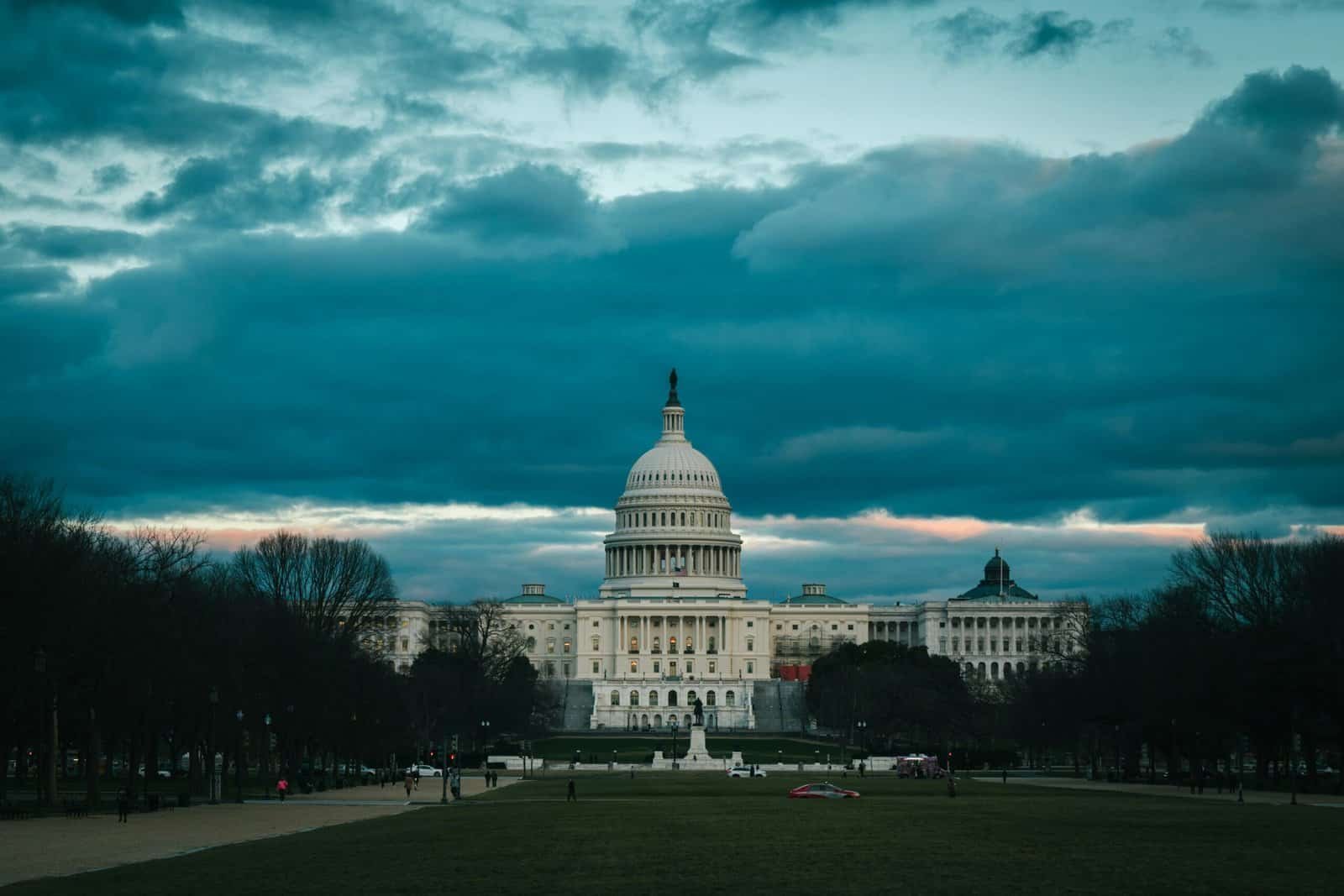
WASHINGTON, D.C. — The US government shutdown 2025 has officially become the longest in American history, grinding public services to a halt and leaving millions of Americans caught in the political crossfire. What began as a funding impasse in Congress has spiraled into a national crisis that’s shaking the economy, testing leadership, and straining families across the nation.
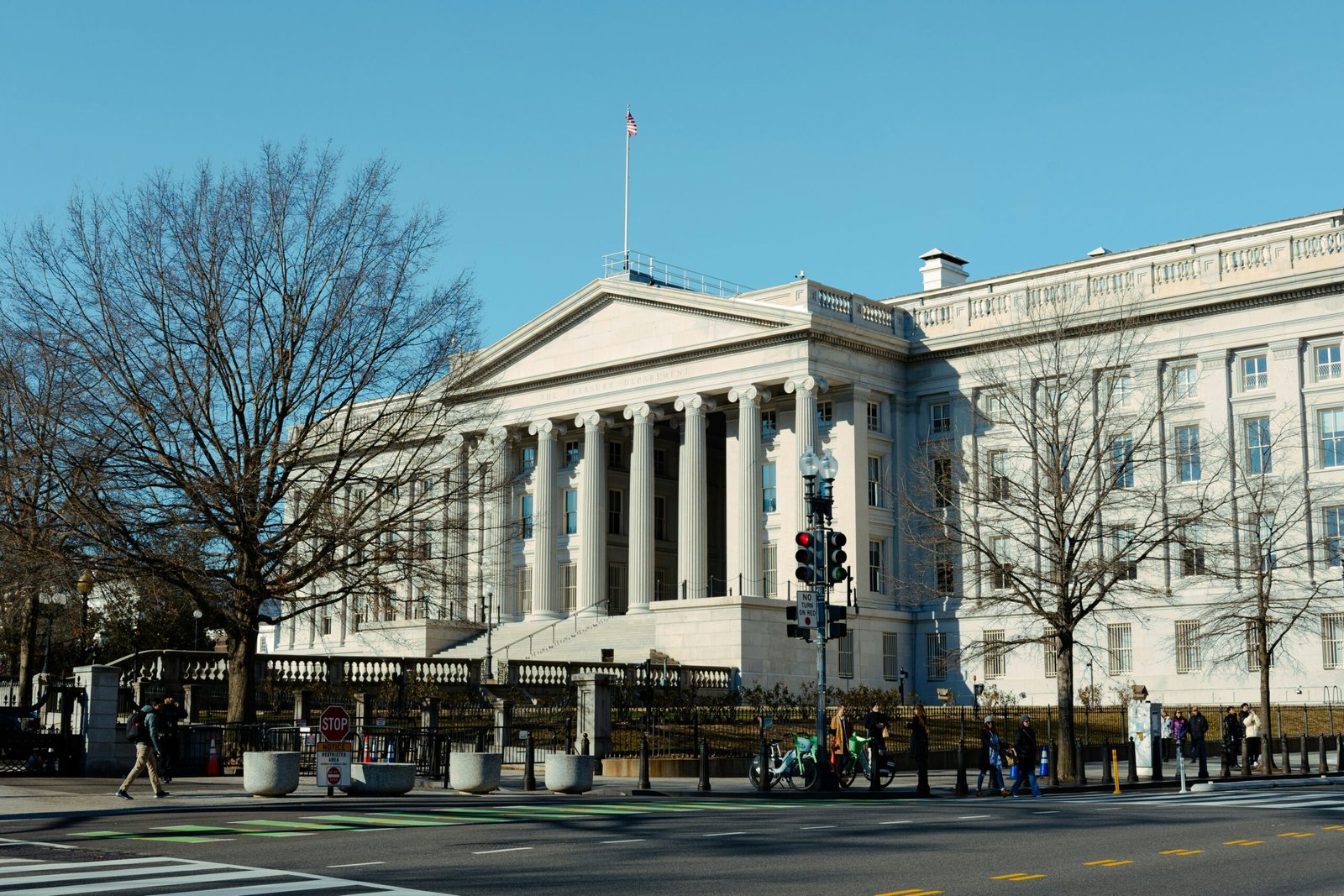
For over a month, federal buildings have stood silent. Offices remain dark, workers unpaid, and citizens wait for a government that feels paused. Economists warn that every additional week of the shutdown costs the economy nearly $15 billion in lost productivity. Yet in Washington, negotiations remain stuck in a cycle of blame and brinkmanship.
“This isn’t just a budget debate anymore,” said political analyst Dr. Claire Donovan. “It’s a question of trust — whether Americans believe their leaders can still put governance above politics.”
The shutdown began at midnight on October 1 when lawmakers failed to pass the annual spending bill for the 2026 fiscal year. The deadlock came after months of disputes between the White House and congressional leaders over funding for health care, defense, and social programs. What followed has been unprecedented — a shutdown now stretching beyond 36 days with no clear end in sight.
Across the nation, the impact is everywhere: airports short-staffed, national parks closed, loan processing delayed, and scientific research frozen. For many, the question is no longer “when will it end,” but “how much more can we endure?”
▶ Watch here — ABC News explains how the US government shutdown 2025 became the longest in history:
As seen in the ABC News report above, this shutdown has expanded far beyond Washington politics. From air-traffic controllers to public school cafeterias funded by federal grants, the effects are visible in every corner of daily life.
“We love our jobs and our country, but love doesn’t pay rent,” said Mary Johnson, a veteran air-traffic controller in Atlanta who hasn’t received a paycheck since September. “We’re working without pay because safety doesn’t wait for politics.”
More than 750,000 federal employees are either furloughed or working without pay. Contractors — from janitors to software developers — face even worse conditions, as most will never receive back pay once the shutdown ends. Local economies around federal hubs like Washington D.C., Virginia, and Maryland are now reporting steep revenue declines, with small businesses struggling to stay afloat.
At the core of the political fight are budget priorities. The administration insists on tighter fiscal control, while opposition lawmakers demand protection for essential social programs and aid packages. Both sides accuse the other of holding the nation hostage for political leverage.
The ripple effect is staggering. Economists at the Congressional Budget Office project a potential $70 billion in total losses if the shutdown extends beyond mid-November. That’s not just government money — it’s missed mortgage payments, delayed medical care, and stalled business contracts.
For families like the Hendersons in Colorado, who both work for the Department of Agriculture, the shutdown has upended everything. “We’ve cut our spending down to bare bones,” said Laura Henderson. “We’re using savings to buy groceries, and the kids ask why we can’t go anywhere. We just tell them it’s because the government isn’t working right now.”
Outside Washington, frustration is transforming into protest. From Los Angeles to Chicago, crowds gather holding signs that read, “We serve America — now serve us.” Federal workers march peacefully, while social media amplifies their voices under trending hashtags like #EndTheShutdown and #PayOurWorkers.
📸 On Instagram — A viral post shows the emotional side of the US government shutdown 2025:
The viral image shows a furloughed federal employee holding an empty wallet beside a government ID badge. The caption reads: “Serving my country shouldn’t mean starving my family.” It’s been shared over 500,000 times, becoming a symbol of the shutdown’s human cost.
Despite rising anger, bipartisan talks remain at a standstill. Analysts say both parties are waiting for public pressure to force a compromise. But polls reveal something striking: 63 percent of Americans now blame both sides equally. Only 18 percent point fingers solely at the President, and 12 percent blame Congress alone — suggesting that in 2025, frustration transcends politics.
The shutdown’s economic strain is now global. The International Monetary Fund has urged U.S. leaders to “act swiftly” to protect financial stability, warning that prolonged dysfunction could weaken investor confidence worldwide. European markets dipped slightly following the latest stalemate, while Asian stock indexes showed volatility tied to U.S. uncertainty.
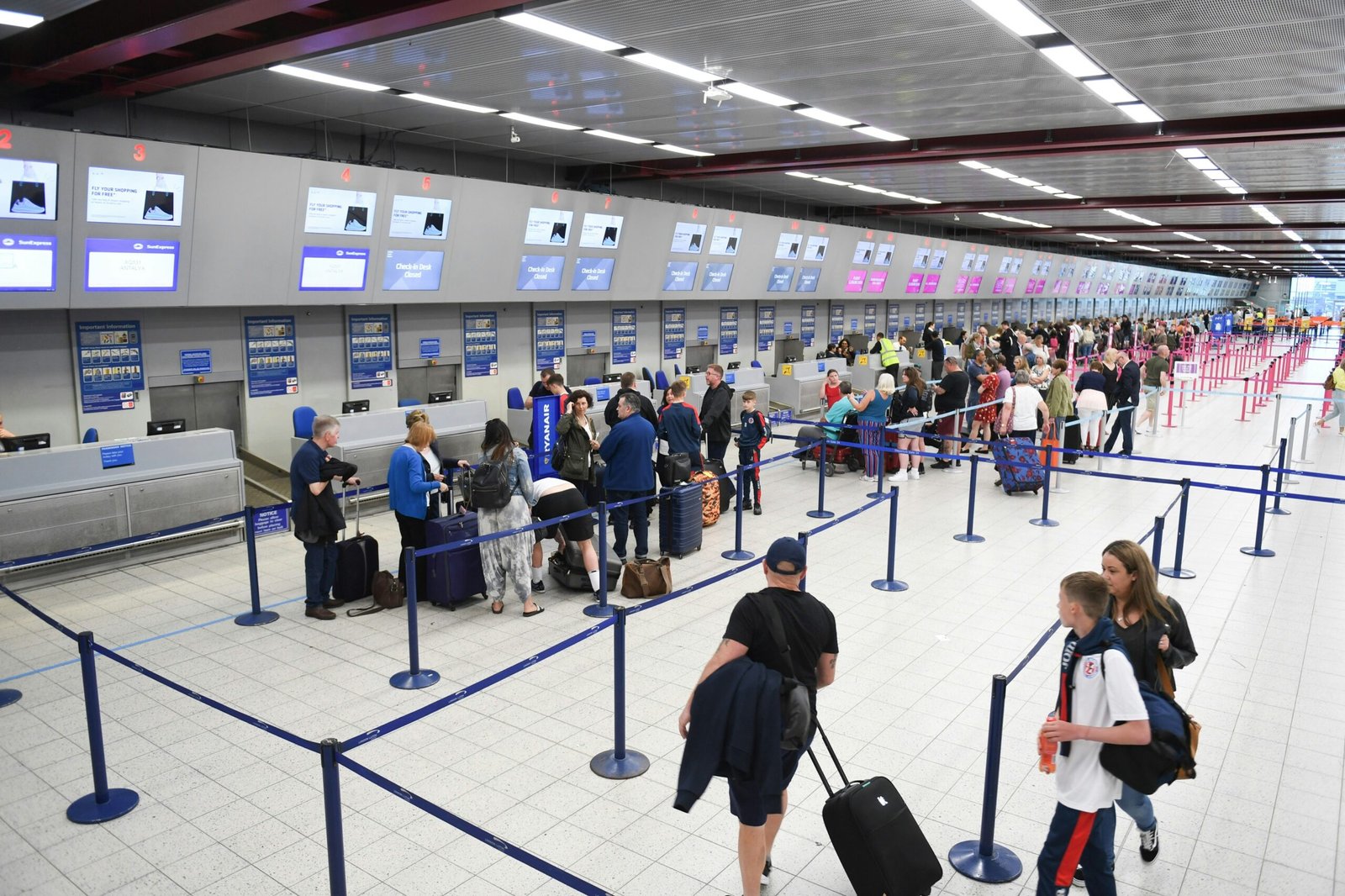
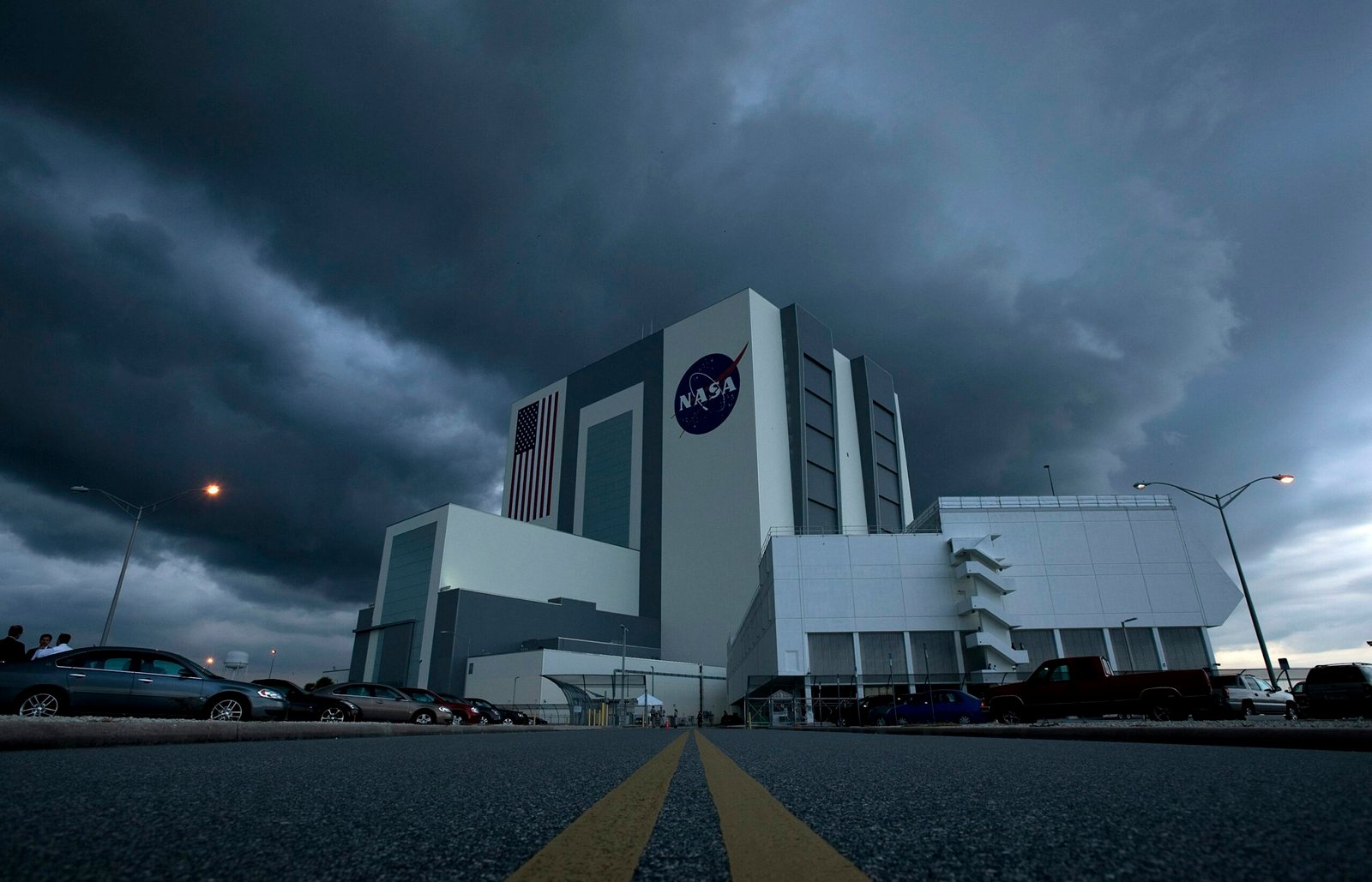
Back home, the everyday consequences are piling up. The IRS has paused most refund processing. National parks have shut their gates. The Environmental Protection Agency has suspended pollution inspections. At airports, TSA staff shortages are causing long lines and flight delays. Even NASA’s Mars mission preparations have been temporarily halted due to funding gaps.
Yet through all this, the American spirit persists. Restaurants in D.C. are offering free meals to unpaid federal workers. Landlords are delaying rent deadlines. Churches, nonprofits, and community centers have opened emergency food banks. In Virginia, one restaurant launched a “Furlough Special” — free lunch for anyone showing a federal ID.
“The government may be closed, but compassion is still open,” says Pastor Michael Green, who runs a community kitchen in Baltimore feeding furloughed workers. “We can’t fix Congress, but we can feed our neighbors.”
Economists warn, however, that the damage may linger long after a deal is reached. “When trust in government breaks, it takes years to rebuild,” says economist Linda Carver of Georgetown University. “This shutdown has exposed how fragile our systems are — and how deeply people depend on them.”
Meanwhile, global headlines portray America as a nation in pause. The Financial Times calls it “a democracy in deadlock.” The Guardian describes it as “a self-inflicted crisis.” Even domestic outlets like CNN and NBC emphasize that while the standoff is political, its effects are painfully human.
Behind closed doors, aides report that both parties are drafting potential “bridge” funding measures — temporary reopenings of key agencies like the FAA, IRS, and Department of Agriculture. But with upcoming election cycles looming, lawmakers appear hesitant to compromise.
Still, there are faint signs of hope. Sources close to negotiations indicate a potential short-term deal could be announced before Thanksgiving, giving Congress time to craft a long-term budget resolution. Whether that happens depends on whether political will outweighs political fear.
Until then, the message from millions of Americans remains the same: get back to work — for the country, not the party.
In Short :
- The US government shutdown 2025 is now the longest in U.S. history — over 36 days and counting.
- More than 750,000 federal employees remain unpaid; thousands of contractors have lost income entirely.
- Economic losses exceed $15 billion per week and could surpass $70 billion total if unresolved.
- Social media movements #EndTheShutdown and #PayOurWorkers amplify frustration nationwide.
- Global markets and the IMF warn that prolonged political dysfunction could weaken U.S. credibility.
- Congress continues to debate short-term funding, but no breakthrough yet.
Q&A : Understanding the Shutdown
Q1. How long has the shutdown lasted?
It began October 1, 2025 — now more than 36 days, officially the longest in U.S. history.
Q2. Are Social Security and Medicare affected?
No, these programs continue under mandatory funding, but many related offices are short-staffed.
Q3. Will federal workers get back pay?
Yes. Furloughed federal employees will receive full back pay once the government reopens. Contractors might not.
Q4. Does the shutdown affect the global economy?
Yes. It has already caused minor stock fluctuations and investor unease worldwide, especially in Europe and Asia.
Q5. When could it end?
Negotiators are discussing a temporary bridge funding bill before Thanksgiving to reopen key departments.








Leave a Reply