

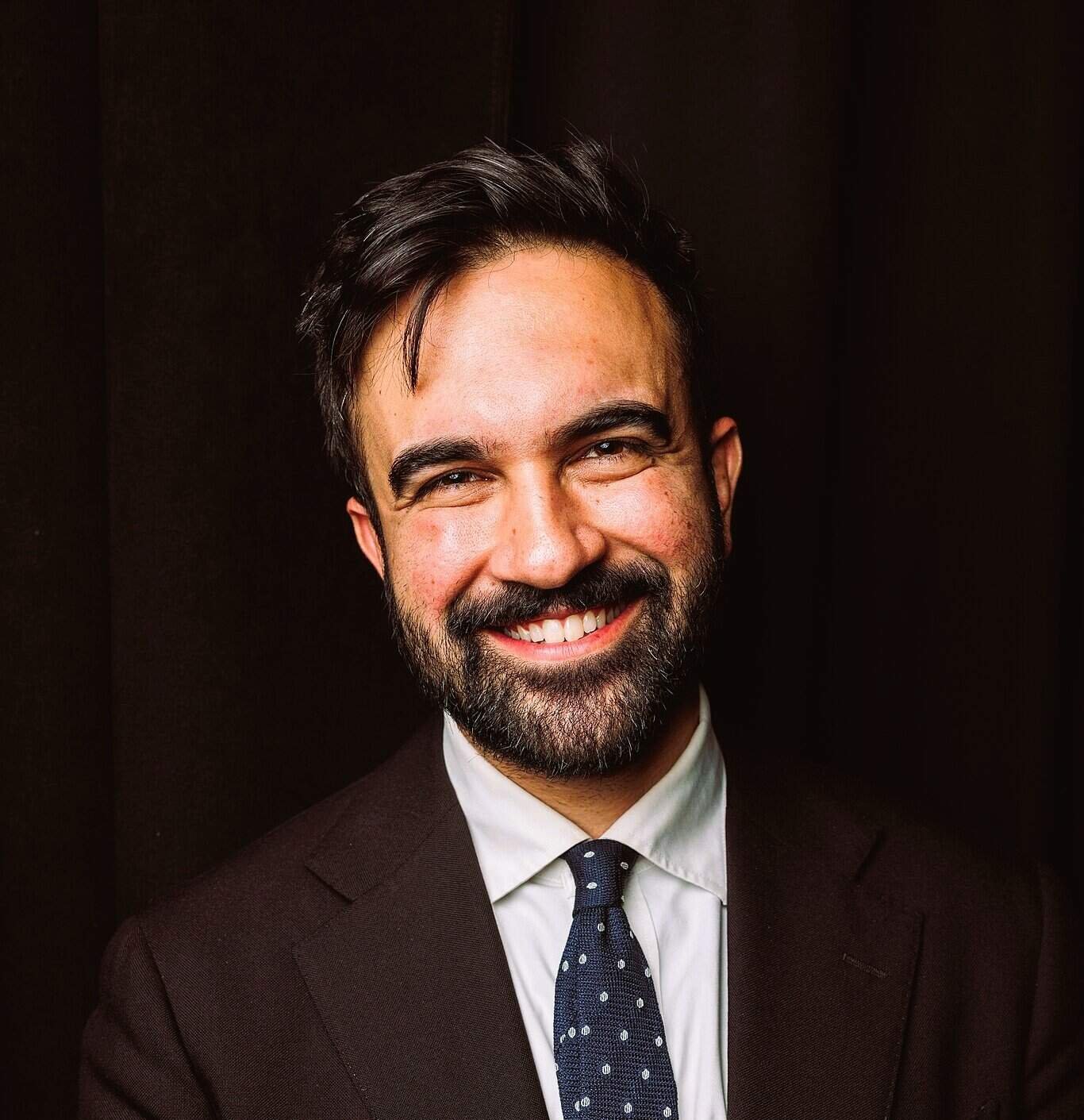
In a moment that will be remembered for generations, Zohran Mamdani has officially been elected as the Mayor of New York City, defeating former Governor Andrew Cuomo and Republican contender Curtis Sliwa. At just 34 years old, Mamdani not only becomes the youngest mayor in more than a century but also the first Muslim and South Asian to hold the post. His victory marks a powerful shift toward community-driven politics, diversity, and social inclusion in America’s largest city.
The final results were announced late Tuesday night after a record voter turnout across the five boroughs. Mamdani secured approximately 52.3% of the total votes, with Cuomo following at 41.2% and Sliwa at 6%. Political analysts have called it a “generational landslide” that reflects the city’s changing social fabric and the rise of progressive voices across the United States.
In his victory speech in Queens, Mamdani told supporters: “This win belongs to every single New Yorker who believes this city can still belong to everyone. It’s a victory for workers, for families, and for every dreamer who refuses to give up on New York.”
Born in Kampala, Uganda, to Indian parents, Mamdani’s family migrated to the U.S. when he was seven years old. Growing up in Queens, he witnessed the struggles of ordinary families — rising rents, public school funding shortages, and the everyday hustle of immigrant life. Before entering politics, Mamdani worked as a community organizer and financial counselor, helping tenants fight unlawful evictions. Those experiences became the backbone of his political message: fairness, accessibility, and equality.
His campaign platform centered on ideas that resonated with working-class and young voters: affordable housing, rent freezes, free public bus transport, city-run grocery stores, and a $30 minimum wage by 2030. His slogan, “A City for Everyone,” symbolized a vision of inclusion and economic justice.
Unlike traditional candidates, Mamdani’s campaign relied heavily on grassroots support and small donations. Volunteers knocked on doors, hosted community dinners, and connected through social media platforms — especially Instagram, TikTok, and YouTube — to share his message directly with voters.
“He doesn’t sound like a politician,” said longtime Brooklyn resident Peter Lee. “He talks about rent, jobs, and fairness in a way that feels real. That’s why people trust him.”
Andrew Cuomo’s campaign, focused on experience and economic stability, failed to ignite similar enthusiasm. Many voters saw Cuomo’s independent run as an attempt at political comeback rather than renewal. In contrast, Mamdani’s transparency, youth, and energy positioned him as the face of New York’s next generation of leaders.
His election night was celebrated across the globe. Messages of congratulations came from international leaders, activists, and organizations applauding his inclusive leadership. The United Nations even released a statement recognizing his commitment to sustainable urban development and community equity.
On his official Instagram, @zohrankmamdani, Mamdani shared a heartfelt video captioned: “We made history together — for every child who dreams of leading this city, no matter where they come from.” The clip quickly went viral, receiving hundreds of thousands of likes and messages from across the globe celebrating the milestone.
International media outlets described the victory as a “New York moment of renewal.” For many immigrants and working families, Mamdani’s rise from community organizer to City Hall stands as proof that the American Dream still thrives when determination meets opportunity.
Mamdani will officially assume office on January 1, 2026, succeeding Mayor Eric Adams. His transition team has already begun preparing plans to stabilize housing, expand childcare programs, and improve public transportation systems.
Still, challenges lie ahead. Experts warn that Mamdani’s ambitious agenda will need careful balancing with fiscal realities. New York’s budget deficits, housing shortages, and public safety debates will test his leadership and negotiation skills. Yet, supporters remain optimistic that his energy and people-first approach can inspire practical solutions.
Beyond policy, Mamdani’s election represents something deeper — a generational and cultural transformation in American politics. His victory symbolizes the growing influence of immigrant communities, the power of grassroots organization, and the appeal of leadership grounded in empathy.
“This is not just a win for Zohran Mamdani,” said political strategist Andrea Ruiz. “It’s a win for every person who’s ever felt left out of the political process. He’s made politics human again.”
Impact and Analysis: Mamdani’s victory has sparked conversations nationwide. Analysts believe his success could influence upcoming local elections and redefine how campaigns are run in urban centers. His model — combining door-to-door outreach with digital storytelling — has shown that authenticity and connection can outperform wealth and influence.
Experts also expect that Mamdani’s focus on sustainability will make New York a model for green urban reform. His 2040 climate plan includes expanding clean energy, electric public transport, and green housing projects. If executed well, it could position New York as a global leader in environmental innovation.
Economists believe his emphasis on affordable housing and fair wages could help stabilize middle-income households, potentially inspiring similar reforms in other U.S. cities. His approach balances modern technology with traditional activism — a rare combination in today’s politics.
Zohran Mamdani’s historic victory as New York City’s first Muslim and South Asian mayor marks a new era of people-centered leadership. His focus on affordability, inclusivity, and community empowerment resonates far beyond New York. As he prepares to take office in 2026, the world watches a new kind of leadership unfold — one built on empathy, equality, and courage.
Quick Q&A 🗽
Who is Zohran Mamdani?
He’s a 34-year-old politician of Ugandan-Indian heritage and New York’s first Muslim and South Asian mayor.
Why is his win historic?
Because it represents diversity, inclusion, and the success of grassroots democracy in a global city.
When will he take office?
On January 1, 2026.
What are his top priorities?
Affordable housing, better public transport, universal childcare, and environmental sustainability.







Leave a Reply