

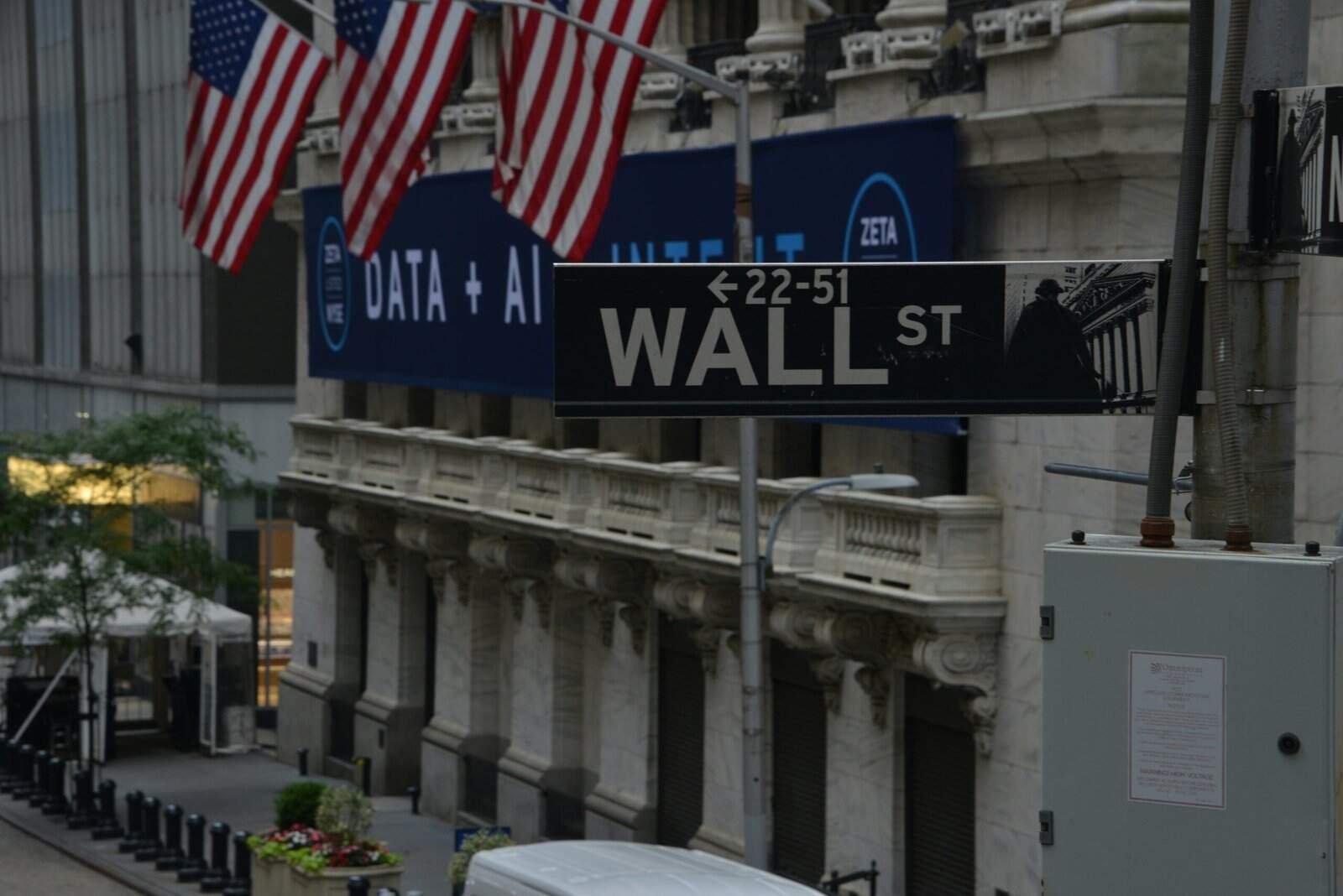
(NEW YORK — Market Desk) — Investors returned to risk assets on Tuesday as signs of progress toward ending the United States federal government shutdown helped ease market anxiety and restored confidence across Wall Street. After several sessions marked by hesitation and defensive positioning, trading activity shifted toward a more constructive tone, supported by reports indicating that negotiations in Washington were moving in a clearer direction.
The growing expectations of a short-term funding agreement were enough to stabilize sentiment across equities, credit markets, and global risk-sensitive assets. Analysts noted that even partial clarity can meaningfully influence markets during periods of political uncertainty. The shutdown had delayed federal operations, economic indicators and regulatory processes, creating blind spots for investors searching for signals about the true state of the economy. Any indication that these functions may soon resume therefore carried considerable weight.
Much of the early optimism stemmed from Reuters updates outlining that investors “cheered signs of progress” in congressional discussions. Futures markets reacted almost immediately, showing an improvement in confidence before the session began. While market participants acknowledged that negotiations remain fluid, traders welcomed the shift as a step toward restoring normal data flow and reducing the uncertainty that had overshadowed recent trading sessions.
Technology stocks, often central to risk-on rotations, saw renewed interest. Traders observed increased positioning in large-cap growth names and semiconductor companies, which tend to attract inflows when sentiment improves. Investors appeared more willing to re-engage with companies whose long-term earnings profiles remain strong despite near-term political uncertainties.
Bond and currency markets echoed the change in tone. Treasury yields moved slightly higher, suggesting that demand for safe-haven assets had eased. The U.S. dollar also softened modestly against major global currencies, reflecting a renewed appetite for risk. These moves were not extreme, but they aligned closely with the broad market narrative: nervousness was fading, and investors were recalibrating their positions accordingly.
Trading desks reported that liquidity conditions improved as the day progressed. In previous shutdown-driven sessions, traders faced uneven order flow, wider spreads and thinner participation. Tuesday brought a different environment—bid and ask spreads narrowed, volume patterns smoothed, and price discovery became more orderly. Analysts explained that these improvements often signal that institutional players are gradually returning after a period of caution.
Strength was also visible across global markets. European and Asian indices posted gains as investors abroad interpreted U.S. developments as a sign that one major source of global uncertainty may soon be resolved. International funds adjusted positions accordingly, rotating into risk assets and reducing exposure to defensives. While the moves varied across regions, the general direction suggested that global investors considered the U.S. shutdown less of an immediate threat to economic stability.
Consumer-focused stocks also responded positively. Shutdowns often dampen confidence among households dependent on federal paychecks or government services, and any sign of relief can help stabilize sentiment ahead of major spending periods. Analysts noted that discretionary sectors—such as travel, entertainment and retail—benefited from expectations that disruptions may soon fade.
Financial stocks climbed as well. Banks tend to be sensitive to Treasury market liquidity and regulatory oversight, both of which can be affected when government operations pause. The prospect of restored federal functions improved the outlook for smoother funding flows, documentation processing and regulatory clarity—factors that support stability in financial institutions.
Midway through the session, attention turned to Washington for further updates. While official announcements remained limited, the overall direction of negotiations remained constructive enough to sustain market momentum. Analysts cautioned that shutdown discussions can change quickly, but the tone on Tuesday offered a notable contrast to the uncertainty of the preceding days.
Video: Bloomberg Television – “Stocks Rally on Hopes for Shutdown Deal”
Following the midday lift, institutional funds began to rebalance portfolios more confidently. Multi-strategy firms executed selective adjustments, adding exposure to technology, communication services and cyclicals. Defensive holdings such as utilities saw reduced flows, consistent with the broader shift toward risk assets.
Commodity markets, particularly oil and industrial metals, reacted with cautious strength. Traders noted that a functioning U.S. federal government ensures smoother regulatory processes and clearer reporting schedules—factors that help stabilize commodity risk assessments. Although price movements were limited, the direction supported the day’s overall theme of reduced uncertainty.
Despite the positive atmosphere, analysts urged investors to remain aware of broader macroeconomic challenges. Inflation remains elevated, labor-market dynamics remain uneven and global tensions continue to influence supply-chain conditions. Shutdown clarity may ease one source of uncertainty, but the economic landscape remains shaped by multiple moving parts. Professional investors viewed the rally as justified but not definitive, noting that markets may reassess once federal data begins flowing again.
As trading progressed, the session’s tone became more balanced. Investors appeared more willing to engage but avoided excessive risk-taking. Analysts described the day as “measured optimism”—a recognition that while progress is real, volatility may still return depending on political outcomes.
As the afternoon session unfolded, analysts closely monitored how shutdown developments might affect the release schedule for key economic data. The absence of federal reports—ranging from labor market updates to inflation readings—had limited investors’ ability to interpret real-time economic health. With early signs suggesting that government operations could soon resume, expectations grew that delayed indicators would be released in sequence. Traders acknowledged that these upcoming data drops may introduce short bursts of volatility as markets adjust to newly available information.
Corporate executives across several industries expressed cautious optimism in commentary shared with financial outlets. Shutdown-related delays complicate regulatory approvals, federal contracting, small-business loan processing and other government-linked functions. Although many companies have learned to adapt to temporary political disruptions, a prolonged shutdown tends to strain planning cycles. The possibility of restored federal activity offered welcome relief, even if executives remained aware that negotiations could still shift.
Consumer behavior is another essential component tied to government stability. Shutdowns can reduce household confidence, especially for workers reliant on federal salaries or benefits. Reduced stability often leads to restrained discretionary spending, which affects sectors ranging from travel to retail. The slight improvements in political outlook on Tuesday helped ease concerns that holiday-season consumer demand could be significantly affected. Traders linked the rise in consumer-related stocks to this renewed sense of stability.
Credit markets continued to validate the broader market move. Corporate bond spreads narrowed slightly, consistent with improved risk sentiment. Analysts noted that shutdown uncertainty often causes pockets of stress in credit markets due to concerns about liquidity, cash-flow delays and regulatory friction. The tightening in spreads—though modest—suggested that traders believed systemic risk had decreased for the time being.
Across global markets, reactions followed a similar pattern. Asian equities showed cautious strength, while European markets delivered firmer results. Emerging markets saw mild inflows as risk appetite improved. Analysts explained that U.S. political stability often creates momentum for global investors who view Washington’s fiscal behavior as a bellwether for international demand, supply chain continuity and overall financial-system health. Tuesday’s developments were interpreted as a net positive, even though long-term risks remain.
Commodity markets echoed the pattern. Oil prices steadied after a week of fluctuation, while industrial metals such as copper and aluminum saw small gains. Traders emphasized that these movements were reflective not of broad economic shifts but of reduced near-term uncertainty. With federal operations and reporting schedules possibly returning to normal, investors gained greater clarity on supply-demand dynamics, regulatory oversight and seasonal projections.
In the final hour of trading, investors consolidated positions and began evaluating the likely path ahead. Many analysts described the day’s gains as “earned but conditional.” The progress in Washington was meaningful but not final, and markets remain sensitive to political headlines. The release of delayed economic data in the coming days will likely influence how traders interpret the shutdown’s real-world impact. Still, Tuesday’s session remained an important turning point—a moment when clarity, even partial, was enough to reignite confidence.
As markets closed, the consensus emerging across trading floors was one of cautious optimism. Shutdown progress alone cannot resolve broader economic challenges, but it can ease one significant source of instability. Investors prepared for a period of renewed data flow, more predictable political communication and clearer economic signals. Whether the rally evolves into a multi-session trend will depend on follow-through in Washington, the strength of upcoming economic data and the reaction of global markets to restored U.S. government operations.
For now, the shift in tone stands as evidence of how quickly sentiment can change when uncertainty begins to fade. Markets are, at their core, reflections of confidence. On Tuesday, that confidence returned—carefully, cautiously, but unmistakably.
In Short: Investors returned to risk assets as early signs of progress toward ending the U.S. government shutdown lifted confidence across equities, credit markets and global indices. Technology, financial and consumer sectors led the gains, supported by improving liquidity and reduced uncertainty. Analysts welcomed the shift in tone while emphasizing that sustainability depends on official confirmation and upcoming economic data releases.
Further Reading (Verified Sources):
Sources referenced: Reuters, Bloomberg, TradingView (Reuters feed), Investing.com, Economic Times, Business Standard.













Leave a Reply