

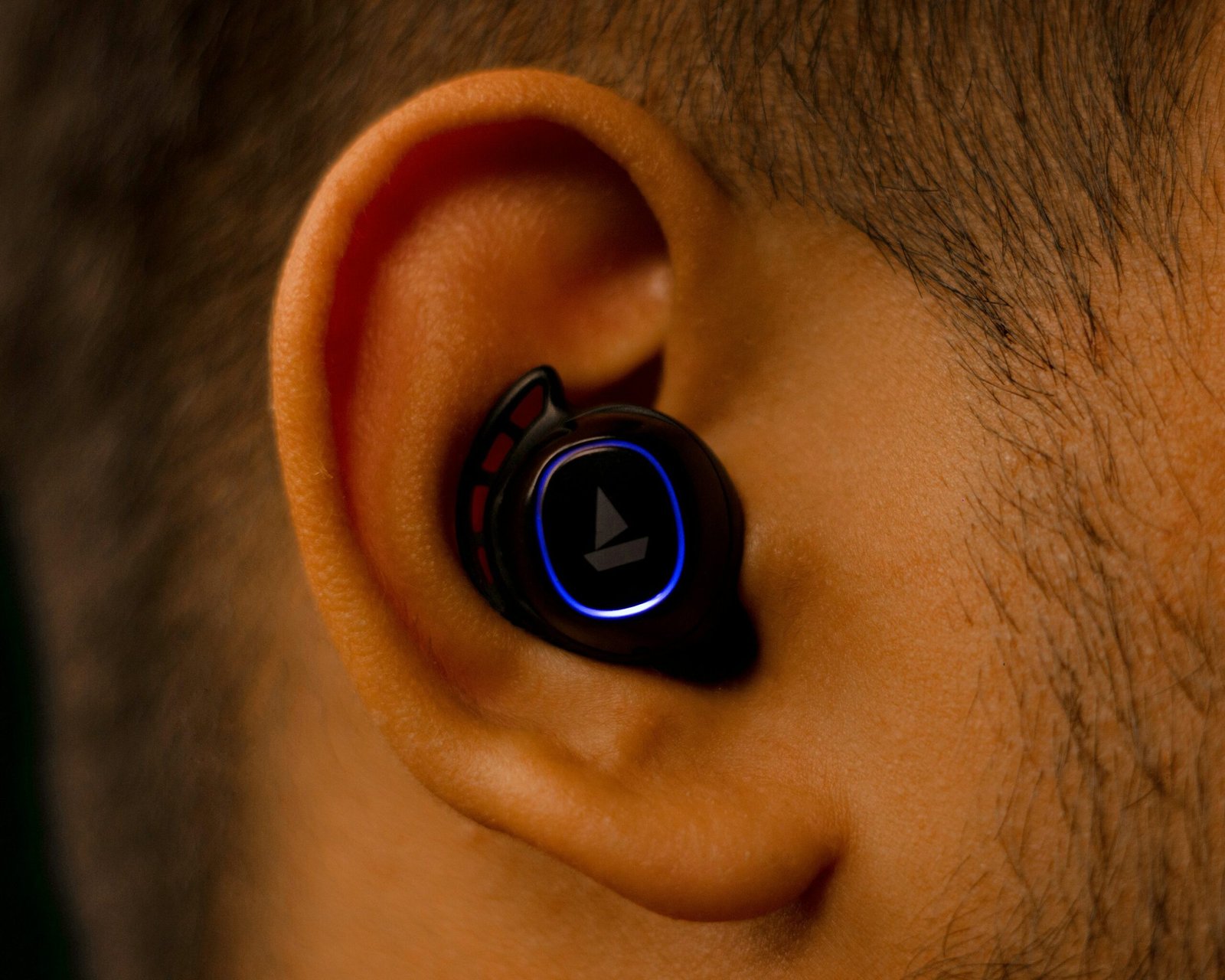
BOSTON, USA — The next revolution in wearable tech isn’t on your wrist or in your pocket. It’s in your ear.
By 2026, a new generation of “earable devices” — smart earbuds and in-ear computers that go far beyond sound — will transform how students learn, communicate, and interact with technology.
From real-time translation to health tracking and contextual assistance, these tiny devices are becoming the most personal computers we’ve ever worn.
At MIT and campuses across the U.S., students are already experimenting with next-generation “earable” technology. These are not just audio accessories — they are microcomputers capable of sensing brain activity, monitoring stress levels, reading context, and providing personalized insights directly into your auditory space.
What began as simple Bluetooth earbuds is now evolving into one of the fastest-growing tech ecosystems, combining sensors, microprocessors, health analytics, and immersive experiences.
🎥 YouTube: “Hearables – The Next Wave of Wearable Technology”
What Exactly Are Earables?
“Earables” are the evolution of wearable technology designed to fit within the ear canal or outer ear. Unlike conventional earbuds that only deliver sound, earables integrate advanced biosensors, microcontrollers, microphones, and motion detectors.
These devices analyze brain waves, heart rate, and temperature, detect fatigue or stress, and can even translate languages in real time. They represent the next leap in human-device integration — an always-present, context-aware computing platform that moves with the user.
According to IDC’s 2025 Wearable Report, earable shipments accounted for nearly 60% of all global wearables, with a projected growth rate of 23% in 2026. Brands such as Bose, Sony, Samsung, and startups like Earable Inc. are racing to develop next-generation earbuds that do more than play music — they monitor your body and mind.
📸 Instagram: “Earbuds are evolving into powerful earables — bridging health, communication, and data tracking.”
The Student Advantage — Why Campuses Love Earables
Students are often early adopters of new tech, and earables fit perfectly into their fast-paced lives. Imagine walking to class while your earable summarizes your next lecture, translates a professor’s foreign-language guest talk, and tracks your attention levels — all without pulling out your phone.
MIT’s Human Dynamics Lab recently demonstrated earables capable of measuring subtle muscle activity in the ear to detect emotional states, paving the way for devices that can sense cognitive overload or stress in real time.
In universities, earables are emerging as study companions, live translators, focus aids, and digital health monitors. They can even detect signs of fatigue during long study sessions and recommend breaks.
For students juggling multitasking, these devices promise hands-free assistance that feels almost invisible — a natural extension of human cognition.
Inside the Technology — How Earables Work
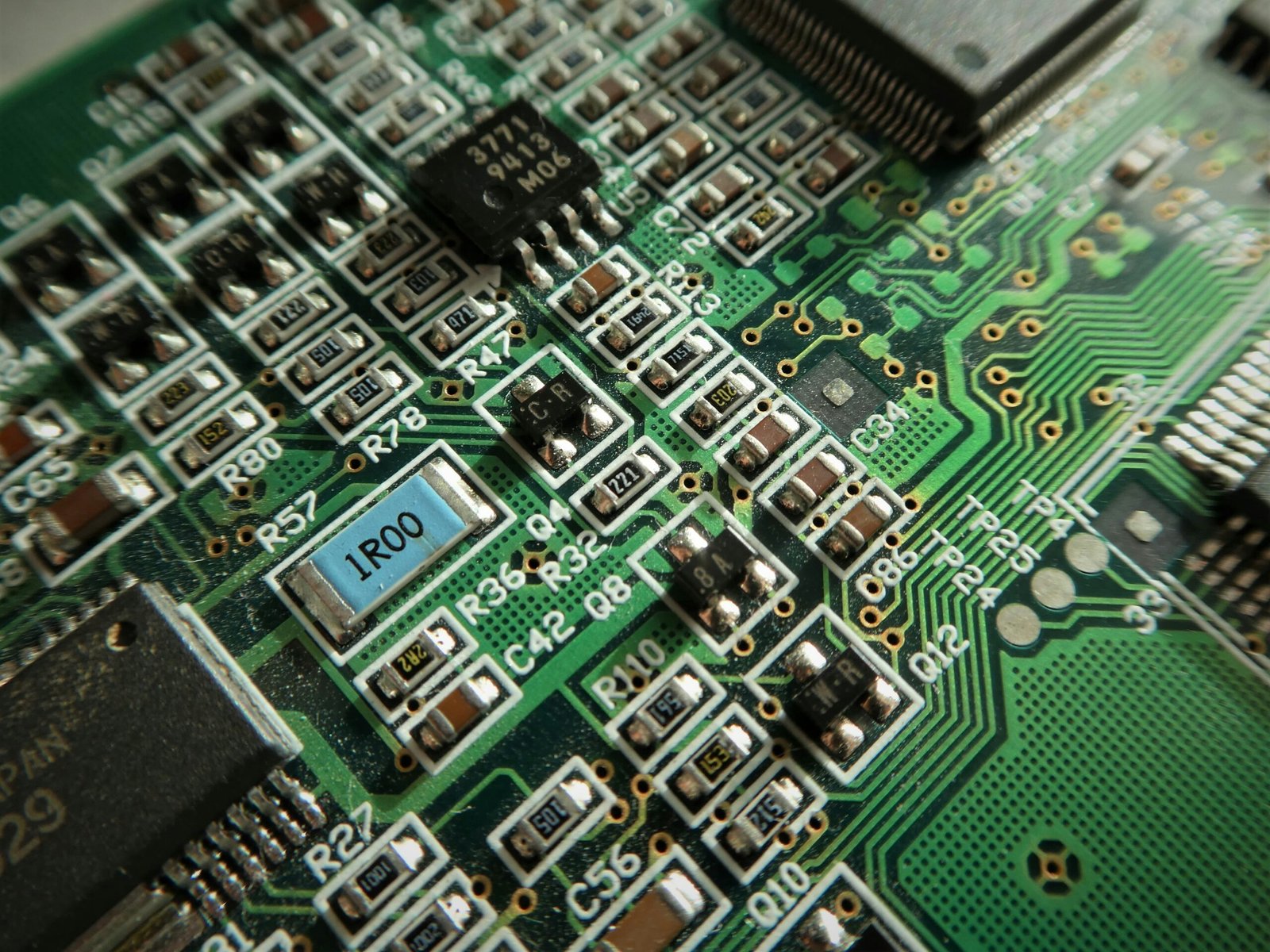
At their core, earables are compact systems-on-chip (SoC) powered by energy-efficient processors designed for continuous operation.
Sensors capture real-time physiological data such as heart rate, oxygen saturation, and temperature. Some advanced models include EEG (electroencephalography) sensors that detect mental workload or focus levels.
Audio input and output remain central, but the computing layer makes earables more than an accessory — they’re micro health hubs.
In addition, edge AI allows these devices to process data locally, ensuring that sensitive biometric information stays private on the device itself, not in the cloud.
That’s crucial for the student demographic, where privacy and autonomy are key concerns.
📸 Instagram: “Wearable innovation spotlight — how next-gen earables merge biosensing and design.”
Market Growth and Global Trends
According to Grand View Research, the wearable technology market will exceed $186 billion by 2030, with earables driving a substantial portion of that growth.
The shift from wrist-based trackers to ear-centric computing marks an industry-wide pivot.
Major U.S. brands are leading the wave: Apple is rumored to integrate health sensors into future AirPods, while Bose and Qualcomm are developing biometric chipsets for continuous health tracking.
Meanwhile, startups in Silicon Valley are focusing on adaptive algorithms that personalize feedback based on listening patterns, posture, and mood.
As more universities integrate wellness tech, earables could soon become as common as laptops in classrooms.
📸 Instagram: “By 2026, earable devices will be the next big leap in wearable computing — experts predict exponential adoption.”
Challenges and Ethical Concerns
Despite the hype, experts caution against the unchecked expansion of biometric monitoring.
Because earables can record health data and even emotional states, the potential for misuse or surveillance is high.
Privacy, data security, and informed consent remain major hurdles that must be addressed through regulation and design ethics.
Researchers at Stanford’s Cyber Policy Center warn that as earables evolve into emotion-sensing devices, clear data-handling frameworks are needed.
Manufacturers must ensure that data collected for wellness cannot be used for marketing or behavioral profiling without user consent.
The future of this industry depends on how responsibly it handles trust and transparency.
The Future: Beyond 2026
As 2026 approaches, the potential of earables is expanding into three major directions:
- Health Monitoring: Devices will detect early signs of illness, stress, or sleep deprivation — making them essential for student wellness.
- Augmented Hearing: Earables will enhance situational awareness, filtering background noise and providing context-based soundscapes.
- Ambient Computing: They will connect seamlessly with glasses, watches, and phones to form a truly integrated personal ecosystem.
By 2027–2028, experts expect earables to feature neuromorphic processors that mimic human auditory cognition, allowing for adaptive real-time response — a feature once confined to research labs.
Expert Q&A – Earables Explained
🎧 What makes earables different from earbuds?
Earables contain advanced sensors, microprocessors, and health analytics features — acting as mini computers rather than simple audio accessories.
🧠 Can they actually read brain activity?
Yes. Some prototypes use EEG sensors to monitor brain signals associated with focus, fatigue, or stress levels — helpful for students during intense study sessions.
🔒 Are earables safe for privacy?
Most major brands are adding on-device processing and encrypted health storage. However, users should verify privacy settings before enabling biometric features.
📱 Will earables replace smartphones?
Not entirely — but they could become the primary interface for real-time notifications, contextual assistance, and voice interactions.
💰 Are they expensive?
As of 2026, early models range from $200–$400. However, competition is rapidly driving prices down as the market expands.
In Short
- Earables are redefining wearable technology by merging health, communication, and cognition inside the ear.
- By 2026, they will dominate campuses, fitness programs, and workplaces as multi-purpose devices.
- Privacy, security, and regulation will be the deciding factors for their long-term success.
Sources
IDC Wearable Device Report 2025 | Grand View Research 2026 Forecast | arXiv: “A Survey of Earable Technology” (2025) | Stanford Cyber Policy Review | Forbes Tech 2025 | Instagram (WearableTechNow, EarableTrends, FutureDesignLab)









Leave a Reply