

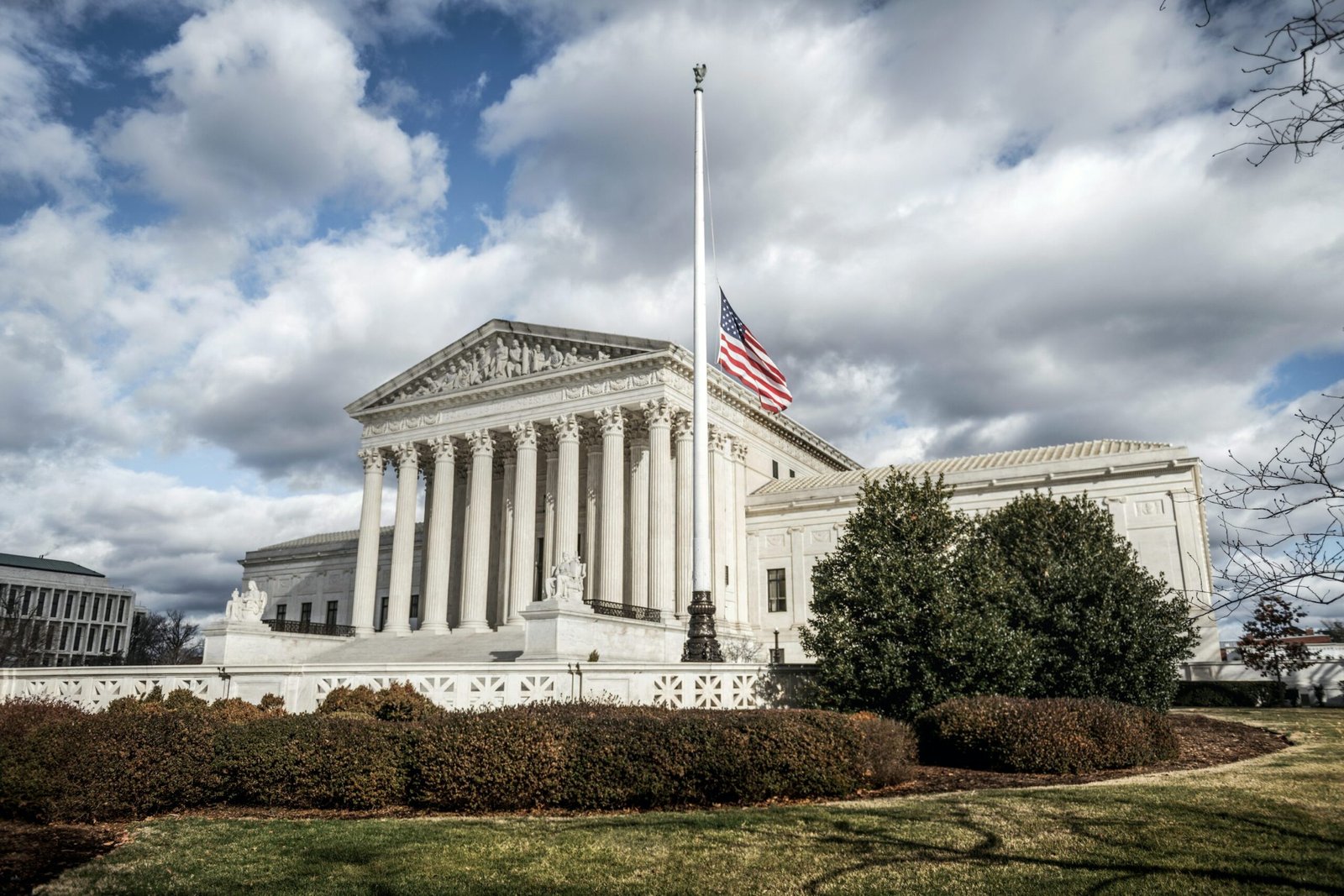
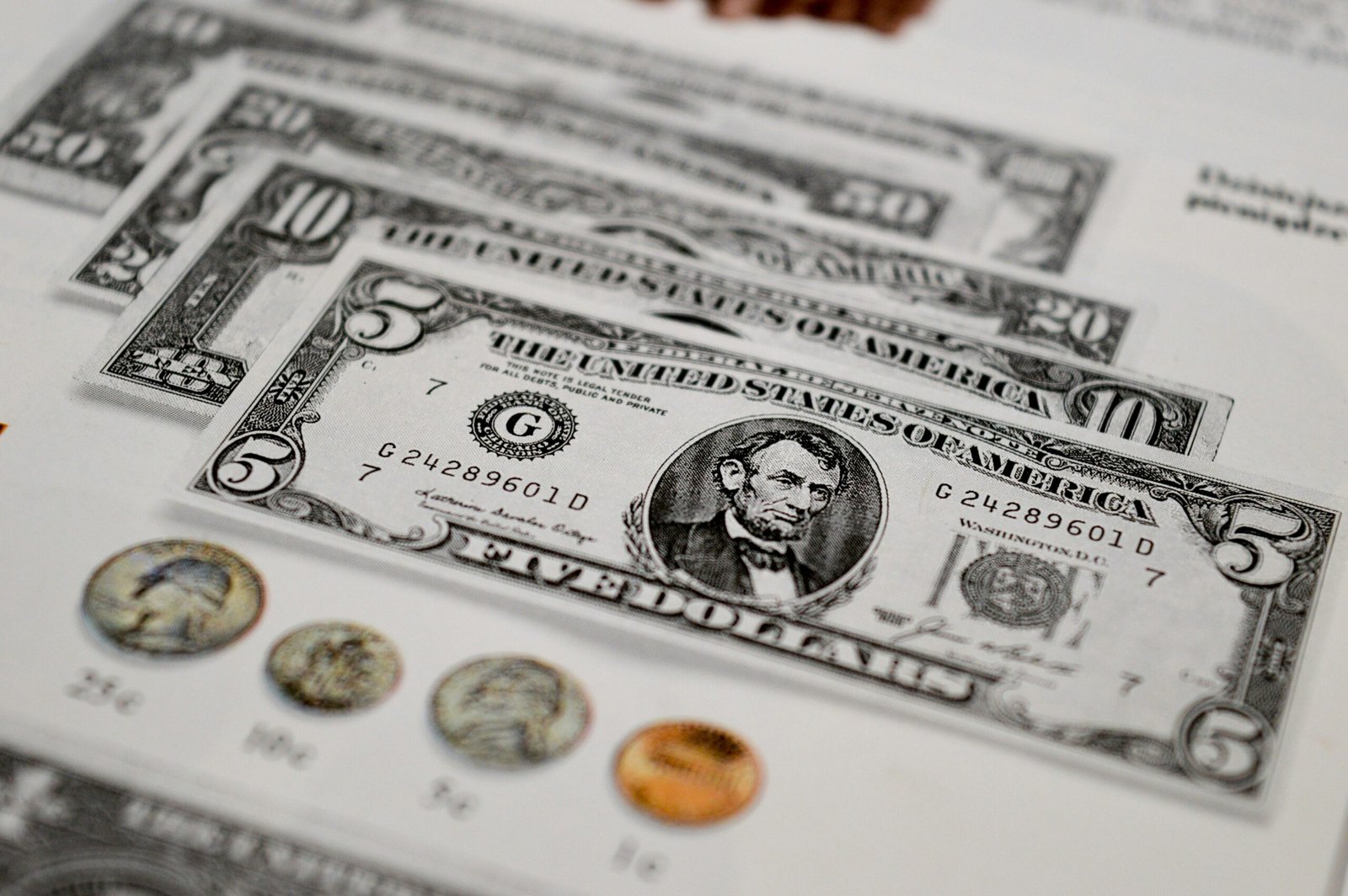
WASHINGTON, D.C. — In a day of major judicial developments, a federal judge in Oregon permanently banned the U.S. government from deploying National Guard troops in Portland, calling the move unconstitutional. On the same day, the U.S. Supreme Court temporarily blocked a lower-court order that would have required immediate distribution of full food aid (SNAP) payments to millions of Americans affected by the ongoing federal shutdown. Judge Karin Immergut, who authored the Oregon ruling, said the federal government overstepped its authority by using military forces for domestic policing without the state’s consent. The case, rooted in the 2020 Portland protests, has now set a nationwide precedent reaffirming state autonomy and limits on federal intervention. Meanwhile, in Washington, the Supreme Court’s narrow 5–4 decision to freeze expanded food aid has sparked concern among low-income households. The ruling delays billions in benefits intended to support families through the ongoing government funding crisis. The two decisions underscore deep divisions in how America balances civil rights, state sovereignty, and federal responsibility — a defining legal and moral test for the nation. Legal experts say the Portland decision could influence how future presidents deploy federal forces during domestic unrest. “This isn’t about Portland — it’s about precedent,” said Professor David Lin, a constitutional law expert. “It draws a line on what the executive branch can do without legislative or state approval.” The SNAP decision, though temporary, has real-life consequences. Advocacy organizations warn that delays in food assistance could leave millions without meals. “The shutdown has already stretched families thin,” said Feeding America spokesperson Lila Morgan. “This pause in payments pushes them to the edge.” Government officials insist the stay allows time for the court to review the legal scope of emergency aid orders. A White House spokesperson said, “We respect judicial independence but will keep pressing for congressional action to restore food support swiftly.” On social media, the rulings sparked immediate reactions. Hashtags #GuardBan and #FoodAidNow trended nationwide, with thousands expressing both frustration and relief. For some, the Portland decision symbolizes protection of local democracy; for others, the SNAP delay symbolizes government failure. As the nation grapples with both rulings, civil rights groups urge calm and action. “Courtrooms shouldn’t decide who eats,” one activist posted on X. “And streets shouldn’t need soldiers.” Beyond the immediate political noise, both cases touch the deeper constitutional DNA of the United States — the delicate balance between federal power and state autonomy. The Oregon decision recalls the post-Civil War Reconstruction debates, when states resisted federal occupation and policing. The 2025 ruling now reopens those conversations for a new century, asking whether federal security measures can override state sovereignty during domestic unrest. In Portland’s case, state officials argued that National Guard deployment without explicit consent violated the Posse Comitatus Act — a 19th-century law designed to prevent federal troops from enforcing domestic laws. The Justice Department countered that the troops were needed to protect federal buildings during violent protests. Judge Immergut’s opinion dismissed that reasoning, asserting that “federal security cannot be a blanket justification for military policing.” Former Oregon Governor Kate Brown, who clashed with federal forces in 2020, welcomed the decision. “This is a victory for state rights and civilian control,” she told reporters. “No city should live under federal troops against its will.” But conservatives criticized the ruling as weakening national authority. Senator Mark Tillis (R-NC) said it could “handcuff the government during emergencies.” “When cities burn,” he added, “Washington shouldn’t need permission to restore order.” Legal analysts note that the Supreme Court could ultimately review the Oregon case if the Justice Department appeals. Such a review would carry massive implications for future presidents — especially during crises involving domestic protests, terrorism, or election unrest. Meanwhile, the Supreme Court’s SNAP ruling taps into the economic reality of 2025: record inflation, supply chain instability, and a divided Congress unable to pass relief bills. The lower court had ordered immediate restoration of full SNAP payments to families affected by the federal shutdown, but the Supreme Court’s stay halts that order pending review. SNAP — the Supplemental Nutrition Assistance Program — feeds over 42 million Americans. When the federal government partially shut down last month, agencies stopped processing expanded payments, leaving families with reduced benefits. Advocacy groups sued, arguing the administration has a moral and constitutional duty to continue payments during emergencies. “Food is not politics,” said Pastor Raymond Ellis of Chicago’s Hope Mission. “Every ruling that delays aid is a ruling that deepens hunger.” But others supported the Court’s restraint. “Judges shouldn’t order spending without congressional approval,” said policy analyst Jenna Hart of the American Accountability Foundation. “We have separation of powers for a reason.” Economists predict that if the shutdown extends another two weeks, food banks could see a 60% spike in demand. “This is not abstract,” said Morgan from Feeding America. “It’s pantry shelves running empty, it’s parents skipping dinner so kids can eat.” Political observers say the dual rulings expose how fractured America’s institutions have become. In Oregon, a local court reined in federal muscle; in Washington, the nation’s top court reined in judicial spending orders. Together, they form a mirror image — both asserting constitutional limits, both leaving millions caught in the middle. Public opinion reflects that divide. A Reuters/Ipsos poll conducted over the weekend found that 51% of Americans supported the Portland ruling, while 43% opposed it. In contrast, 57% disagreed with the Supreme Court’s SNAP decision, calling it “harmful to low-income families.” In states like California, New York, and Illinois, governors vowed to expand state-funded emergency food programs to fill the federal gap. “We can’t wait for Washington,” said California Governor Alicia Tran. “People are hungry now.” Economically, the ripple effects are already visible. Grocery chains reported slower sales in low-income neighborhoods, and urban nonprofits are stretched thin. “We’ve gone from feeding 100 people a day to 600,” said a volunteer at Oregon Food Share. “Every headline has a stomach behind it.” In political circles, the two rulings are now weaponized talking points ahead of next year’s congressional elections. Democrats argue that the SNAP freeze proves “judicial cruelty,” while Republicans frame the Guard ban as “judicial overreach.” Social media has turned into a digital battleground. Videos of activists celebrating the Portland ruling went viral, while food-aid protests outside the Supreme Court drew emotional footage of mothers holding “Let Us Eat” signs. TikTok creators stitched both moments, calling it “America’s two faces in one day.” Legal historians say it’s rare for two such consequential rulings to collide in a single news cycle. “The judiciary just flexed its muscles in both directions,” said Dr. Alice Romero of Georgetown Law. “It’s as if the courts are saying: we’re independent, but unpredictable.” Inside the White House, aides reportedly debated whether to issue an executive order restoring partial food benefits without breaching court orders. Insiders say the administration is exploring “legal gray zones” to release funds under emergency clauses in the Stafford Act. But any such move could reignite legal battles — or trigger a constitutional showdown with Congress. For ordinary Americans, the conversation is less about law and more about survival. In interviews across Oregon, low-income families said the SNAP delay has forced them to choose between groceries and bills. “We’re down to noodles and rice,” said Portland resident Amber Lewis. “I can’t afford fresh produce until the payments resume.” Community organizers are responding with local food drives and crowdfunding campaigns. Churches and mosques across the Pacific Northwest have pledged to keep kitchens open “as long as it takes.” A viral GoFundMe tagged #FoodAidNow raised $2.1 million in 48 hours. Meanwhile, veterans and National Guard families expressed mixed feelings. Some saw the Portland ban as disrespectful to military service; others viewed it as protecting soldiers from political misuse. “My son didn’t enlist to police protests,” said Linda Harris, mother of an Oregon Guardsman. “He enlisted to defend the country — not fight its citizens.” Analysts believe the combined impact of these rulings will echo into the 2026 political landscape. Candidates on both sides are already drafting talking points around “judicial fairness” and “executive overreach.” For voters, however, the message may come down to something simpler — who protects their rights, and who puts food on their table. Across editorial pages, newspapers split sharply. The New York Times praised the Portland decision as “a restoration of constitutional sanity,” while the Wall Street Journal called the SNAP block “a necessary pause in fiscal recklessness.” Yet, even critics agree on one point: both rulings reveal that America’s courts now sit at the center of its most urgent crises — not just as referees, but as active players reshaping the national narrative. As late-night host Trevor Wallace quipped, “Only in America can one court tell soldiers to stand down while another tells the hungry to wait.” His comment went viral, striking a mix of irony and pain that defined the public mood. For historians, the day will likely be remembered as a moment when constitutional theory met everyday reality — where the balance of power clashed directly with the balance of need. In Short : Q&A : Understanding the Court Decisions Q1. Why did the Oregon judge ban the National Guard deployment? Q2. What does the Supreme Court’s SNAP ruling mean for families? Q3. Are these rulings final? Q4. What happens next?
Sources: The Guardian, Al Jazeera, Fox Business, Reuters, Washington Post, and NewsSparq editorial analysis. Website: https://newssparq.com
The court found that deploying military forces for law enforcement without state approval violates the Constitution and federal law, emphasizing civilian control and state sovereignty.
It temporarily pauses full food aid payments while the Court reviews whether the lower court had authority to mandate spending during a shutdown.
The Portland injunction is permanent unless overturned on appeal. The Supreme Court’s SNAP stay is temporary pending a full hearing.
The Justice Department may appeal the Portland ruling, and the Supreme Court will revisit the SNAP issue in coming weeks. Congress can act at any time to restore benefits through emergency funding.
Danish
“U.S. Judge Permanently Bans National Guard Deployment in Portland as Supreme Court Blocks Food Aid Order”
NewsSparq USA — Washington D.C.
Published: November 8, 2025 | Updated: 9:45 AM EST
Quick Facts:




Leave a Reply