

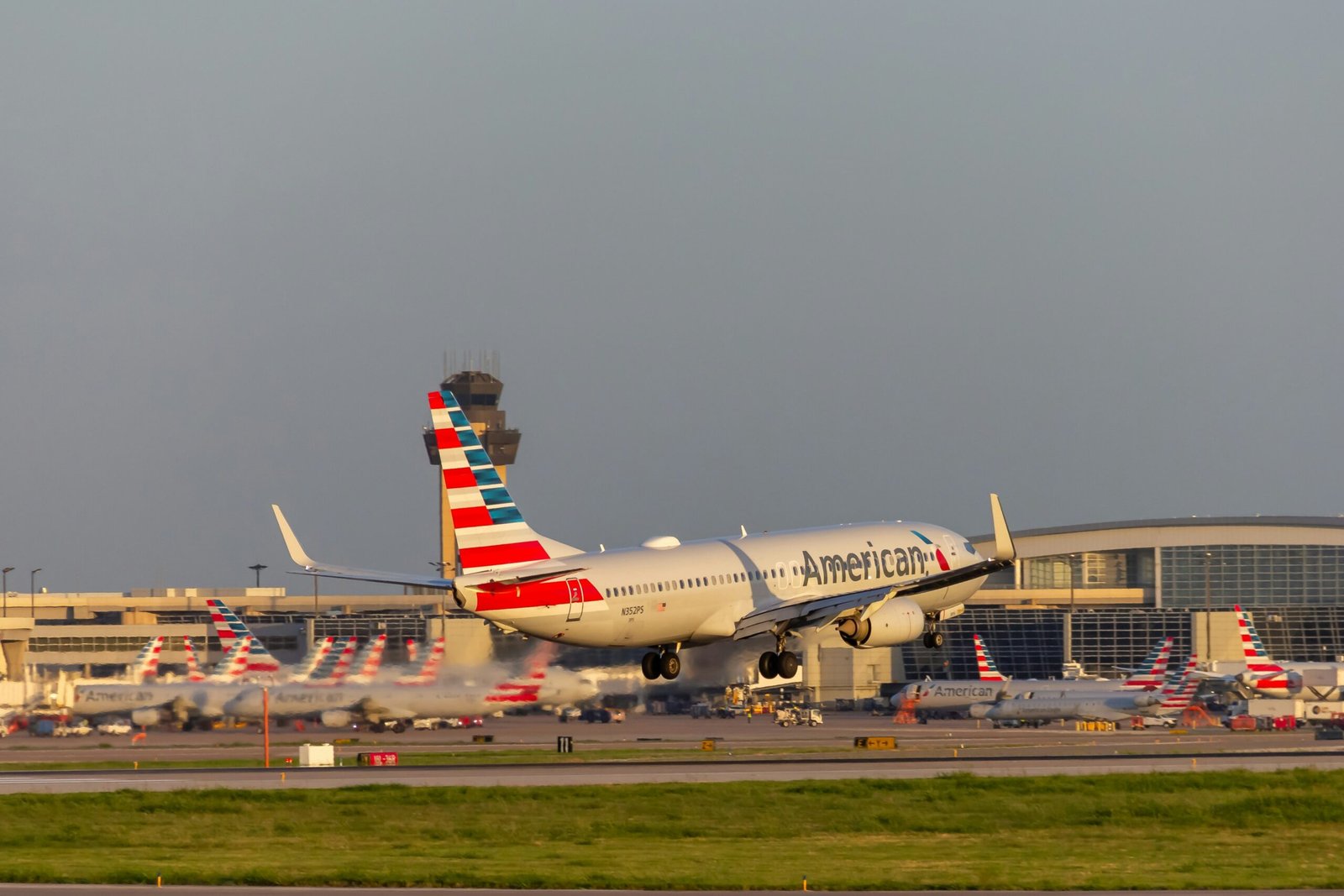
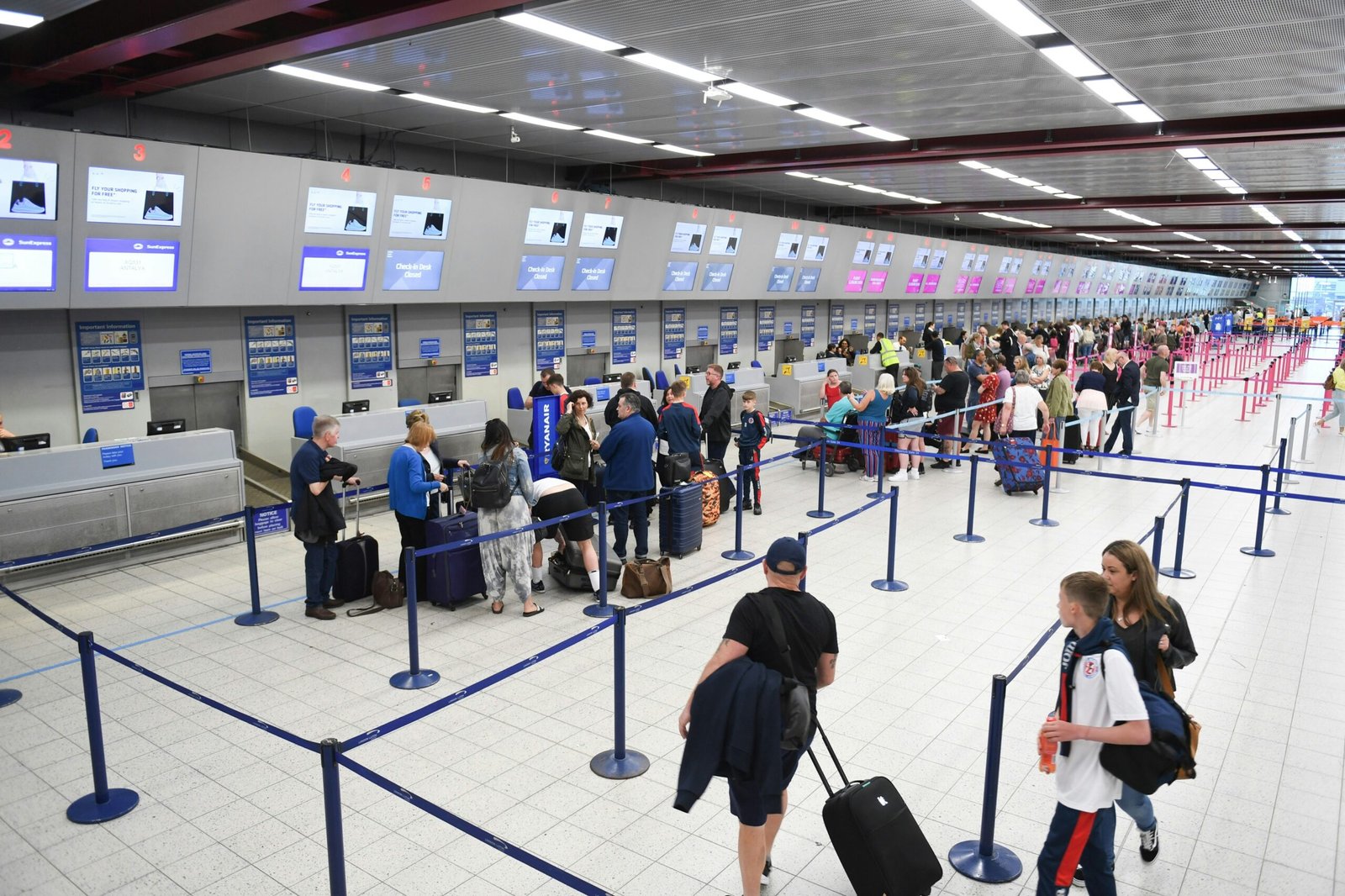
WASHINGTON — Air travel across the United States plunged into turmoil this Veterans Day week as a prolonged federal government shutdown forced thousands of flight cancellations, staffing shortages, and endless lines at major airports. From New York to Los Angeles, stranded passengers filled terminals while airline officials pleaded for temporary relief from Washington.
According to the latest data from FlightAware, more than 3 200 flights were canceled between Friday and Monday, and another 6 000 were delayed. The Federal Aviation Administration confirmed that air-traffic-control staffing levels have dropped by nearly 18 percent since the shutdown began three weeks ago, leaving fewer controllers on duty and forcing airlines to slash schedules.
For millions of Americans trying to visit family or return from Veterans Day events, the chaos has turned travel into a national talking point. “We’ve slept on benches since Sunday,” said Melissa Grant, a mother of two stuck at Chicago O’Hare. “Every announcement says the same thing — ‘staffing delays due to the shutdown.’ It’s exhausting.”
✈️ Airports Under Pressure
Major hubs including Atlanta Hartsfield-Jackson, Dallas Fort Worth, and Los Angeles International reported security-checkpoint backups lasting up to two hours. TSA union leaders said nearly 12 000 screeners are working without pay, while some have quit entirely. “We can only stretch people so far,” one official said. “If Congress doesn’t act soon, more checkpoints could close.”
The nation’s largest carriers — American, Delta, Southwest, and United — issued coordinated statements asking federal leaders to restore partial funding so FAA operations can stabilize. Analysts warn that continued shutdown disruptions could cost the airline industry more than $400 million per day in lost revenue and compensation claims.
Transportation Secretary Pete Buttigieg told reporters late Monday that the administration is exploring emergency measures to keep essential air-traffic facilities operating. “Safety remains our top priority,” he said. “But the shutdown handcuffs our ability to move resources where they’re most needed.”
🧳 Passengers React Nationwide
Social media flooded with images of stranded travelers sleeping on luggage and charging phones along airport floors. Hashtags #FlightChaos and #ShutdownTravel trended across the U.S. within hours.
At Atlanta Hartsfield, veteran Joe Ramirez was among hundreds waiting for a delayed connection. “It’s ironic that on Veterans Day we can’t get home because the government we served is shut down,” he said, shaking his head. Nearby, volunteers handed out bottled water and sandwiches donated by the USO.
Families trying to fly to Veterans Day memorials were hit hardest. “My father served in Vietnam,” said Karen Douglas at Denver International. “We just wanted to visit his grave this year, but our flight’s been rescheduled three times.” Her story quickly went viral, gathering over 1 million views in a TikTok repost.
🕓 Economic Ripple Effects
Economists say the shutdown’s travel impact could slow consumer spending by billions. “Air travel touches every part of the economy — hotels, restaurants, car rentals,” explained analyst Mark Benson from the Brookings Institution. “When flights freeze, so does commerce.”
Tourism-dependent cities like Orlando and Las Vegas report hotel cancellations climbing 30 percent week-over-week. Small businesses near airports say sales are collapsing. “We usually sell 400 coffees a day; now it’s 60,” said café owner Tanya Reed in Phoenix Sky Harbor’s Terminal 4.
With holiday season approaching, travel groups fear the situation could mirror the 2013 shutdown that paralyzed aviation for nearly two weeks. “Back then it took months to rebuild confidence,” recalled former FAA administrator Michael Huerta. “This one’s worse because traffic volumes are higher.”
🏛️ Government Response and Political Stalemate
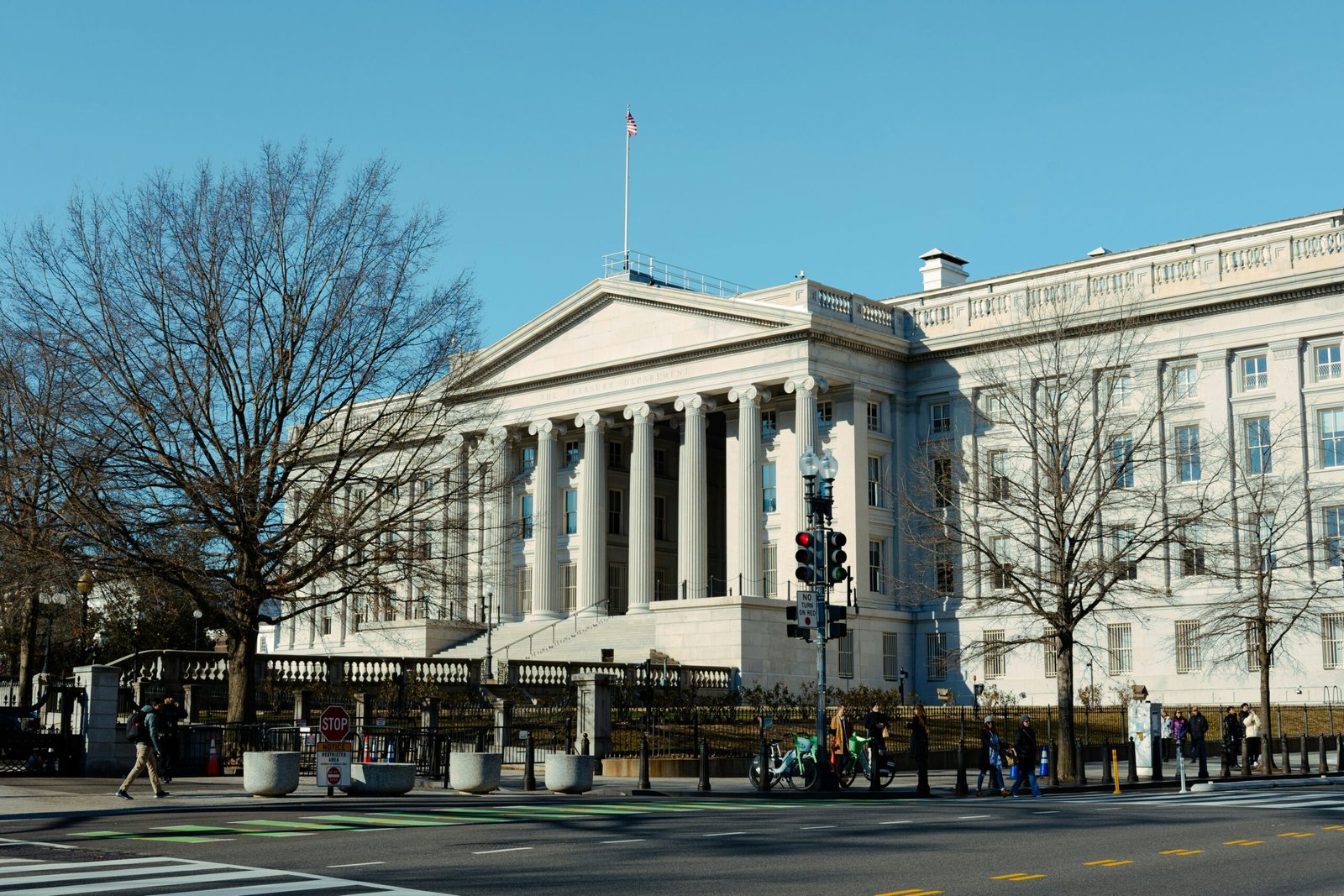
Inside Washington, talks to end the shutdown remain gridlocked. The Senate adjourned Monday evening without a funding vote, leaving federal employees and travelers in limbo. Lawmakers from both parties publicly traded blame, while air-industry leaders pleaded for compromise.
“This crisis is self-inflicted,” said Senator Chris Murphy (D-CT). “Every canceled flight represents a family stranded, a paycheck lost, and a confidence shaken.” His Republican counterpart, Senator John Cornyn (R-TX), countered that the administration “refuses to negotiate on spending cuts,” framing the stalemate as fiscal discipline versus dysfunction.
Meanwhile, the FAA issued a late-night statement confirming that certain radar maintenance facilities may operate at minimum staffing. The agency reassured the public that air safety standards remain intact but admitted longer rerouting times for cross-country flights. Airline unions described the situation as “manageable but unsustainable.”
💬 Stories From the Ground
For many, the headlines have turned into personal hardship. In Los Angeles, musician Tyler Freeman missed his performance at a Veterans Day benefit concert after two consecutive cancellations. “It’s not about the money,” he told NewsSparq. “It’s about people who waited a year to hear their loved one’s favorite song.”
In Florida, a group of volunteers transformed a terminal waiting area into a makeshift rest space with mats, snacks, and phone chargers. “If the government’s closed, people shouldn’t go hungry in airports,” said organizer Donna Lopez. Her group, started on social media, has now expanded to ten airports nationwide.
Veterans traveling for memorial ceremonies faced particular heartbreak. At Reagan National Airport, one Honor Flight carrying World War II veterans was delayed seven hours. “They sat quietly, patient as ever,” said flight attendant Angela Meyer. “When we finally boarded, the entire gate clapped.”
📊 Industry Impact and Expert Analysis
Aviation analysts warn that prolonged shutdown disruptions could have ripple effects well into 2026. Reduced air traffic slows freight shipments, affecting supply chains already strained by global economic pressures. Cargo operators at Memphis and Louisville — home to FedEx and UPS hubs — reported processing delays as customs officers work unpaid overtime.
“Every hour of downtime costs millions,” said economist Sarah Keane. “This isn’t just about vacationers. It’s about medicine shipments, perishable goods, and business meetings that keep industries running.”
Airline stocks dipped modestly Monday morning as investors weighed the possibility of extended instability. Delta and United both fell around 2 percent on Wall Street, while transportation ETFs dropped to a two-month low. Analysts say a quick funding resolution could reverse losses, but uncertainty drives caution.
🧠 Expert Opinions
According to Brookings Institution researcher Lisa Harmon, the crisis highlights how dependent modern travel has become on public infrastructure. “Private companies run the planes,” she said, “but the invisible network — air traffic control, safety inspection, security — belongs to the government. When that stops, the entire system trembles.”
Former FAA chief of staff David Granger added that temporary shutdowns erode trust even faster than they cause logistical chaos. “People forget delays,” he explained, “but they remember the feeling of being trapped. That emotional scar affects how soon they book again.”
🕯️ A Nation’s Patience Tested
For many Americans, the airport has become the symbol of this year’s dysfunction — a place where everyday citizens witness government paralysis firsthand. Yet amidst frustration, stories of kindness emerge: strangers sharing chargers, parents calming children, pilots handing out snacks from their own bags.
“It’s messy but also oddly human,” said traveler Andrea West at Boston Logan. “We’re angry, yes, but also helping each other. Maybe that’s what keeps the country together when the government can’t.”
As night falls across time zones, flight boards flicker red with the word “Canceled.” Outside, planes sit idle under floodlights — silent reminders of what happens when bureaucracy grounds a nation built to move.
In Short :
- Over 3,000 U.S. flights canceled amid the ongoing government shutdown.
- FAA staffing shortages and unpaid TSA agents cause severe travel delays.
- Airlines, passengers, and veterans struggle as negotiations stall in Washington.
- Industry losses exceed $400 million daily, with ripple effects across tourism and logistics.
Q&A : Understanding the Travel Shutdown Crisis
Q1. Why are so many flights canceled?
Airlines reduced schedules due to staffing shortages at the FAA and TSA. Many federal employees are working without pay or have resigned temporarily.
Q2. Is flying still safe during the shutdown?
Yes. The FAA confirms that all safety-critical systems remain operational, though wait times and delays are longer than usual.
Q3. Which airports are worst affected?
Atlanta, Dallas-Fort Worth, Chicago O’Hare, and Los Angeles currently report the highest number of cancellations and delays.
Q4. How long could this disruption last?
Experts say flights will stabilize only after Congress restores full funding. Depending on negotiations, that could take several days or weeks.
Q5. What can travelers do?
Check flight status frequently, rebook via airline apps, and arrive early. Some carriers waive change fees during federal shutdown periods.
Sources: Al Jazeera, CNN, FlightAware, Reuters, Associated Press, and NewsSparq editorial analysis.






Leave a Reply