

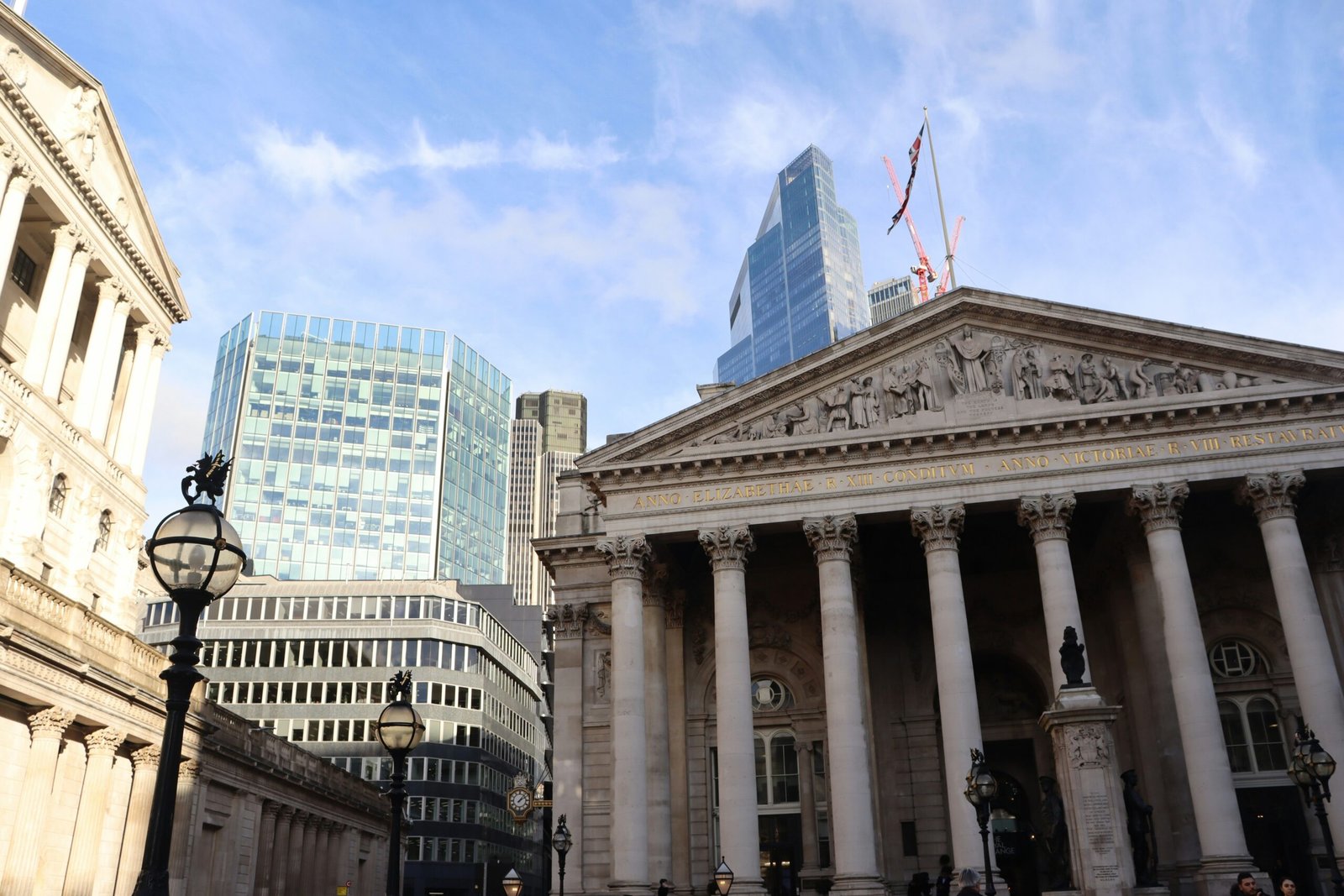
UNITED KINGDOM. The Bank of England is signaling that inflation may finally be moving back toward its target after a long stretch of stubborn price pressures. One of its policymakers said inflation could fall to the 2% goal “in the near term,” and that message has drawn plenty of attention from economists watching the pace of the country’s slowdown. The comments arrived not long after new figures showed consumer inflation dipping again, creating a sense that the long, rough cycle of rising costs may be easing faster than many expected.
The latest numbers from the Office for National Statistics showed annual consumer inflation softening to around 3.6% in October, down from previous months. It may not look dramatic at first glance, but for households, even a small shift offers a bit of breathing room after years of higher grocery bills, energy costs, rent increases, and other pressures. Analysts say the direction matters as much as the size of the move, and the direction right now appears pointed toward relief. Some of the drop reflects calmer housing and utility costs, areas that had pushed inflation sharply higher through much of the past year.
The Bank of England’s tone has adjusted with the new data. Officials are still cautious, but there’s a sense of growing confidence that the hardest part of the inflation battle might be behind them. Wage growth is slowing a little, supply chain disruptions are less intense, and households are adjusting spending patterns, all of which help bring prices under control. Even so, the central bank isn’t declaring victory. Policymakers continue to monitor how quickly inflation cools and how stable the trend becomes before they make any decisions about rate cuts.
For markets, the shift in tone was enough to create speculation about the timing of future rate reductions. Traders see a path where borrowing costs might ease sometime in the coming year if inflation keeps sliding. Still, not everyone is convinced the transition will be smooth. Some analysts say services inflation remains sticky, and even if headline numbers fall, everyday budgets may still feel tight for a while. They caution that the last part of the inflation fight is often the slowest, and that the central bank may choose to move carefully rather than risk a rebound in prices.
Households, on the other hand, are hoping for visible relief. Energy bills became one of the biggest burdens for many families over the past two years, and while prices have steadied, they haven’t fully returned to pre-surge levels. Food costs are also easing but remain higher than before the inflation spike began. The public’s expectations for future inflation have started to fall, too, according to recent surveys. That shift matters because expectations influence spending behavior, which in turn shapes the broader economic environment.
Businesses are watching the trend from their own angle. A clearer inflation path allows companies to plan investments with a bit more confidence, especially those that rely on borrowing. Retailers say it may take time for consumer spending to pick up, but even a signal of stability is welcome after a period marked by hesitancy. For financial markets, however, the bigger focus remains the Bank of England’s next moves and how they align with projections from major banks and investment groups.
The broader picture suggests the United Kingdom is inching closer to a more manageable economic stretch. It may not feel like a turning point just yet, but the signals are harder to ignore. Inflation easing, expectations falling, and a central bank preparing for a slower pace of price increases all point toward a calmer period ahead. Still, experts remind that progress can be uneven, and one sharp rise in energy costs or unexpected global tension could slow the cooling. But for now, there’s a sense that something long overdue may finally be starting to settle.
In Short
- Bank of England official says UK inflation could reach the 2% target “in the near term.”
- ONS data shows inflation cooling to around 3.6% in October.
- Markets expect possible rate cuts next year if the trend continues.
- Households still face higher food and energy costs despite easing pressures.
- Experts say the last step toward stable inflation may take time.
Why does a small drop in inflation matter?
Even minor shifts affect household budgets and help signal that price pressures are easing after a long period of increases.
Could the Bank of England cut interest rates soon?
It depends on how quickly inflation keeps falling. Some analysts expect cuts next year if the current trend holds.
Are households feeling relief yet?
Some costs are easing, but food and energy bills are still high, so the relief is gradual rather than immediate.
What could slow down inflation cooling?
A spike in energy prices, global supply disruptions, or stronger-than-expected consumer spending could make the process slower.














Leave a Reply