

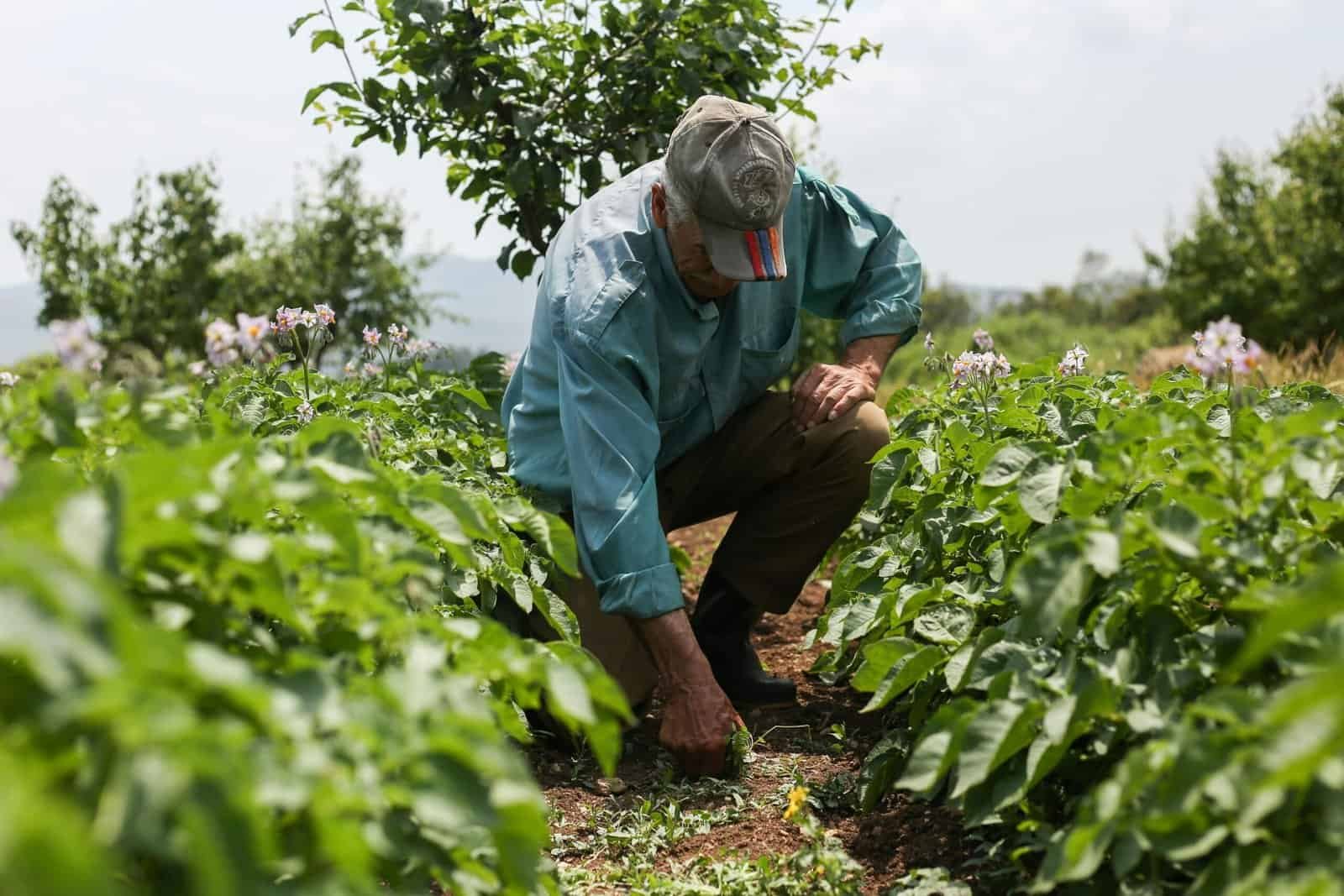
UNITED STATES — The federal government has officially approved more than $16 billion in emergency assistance for American farmers following what experts describe as the worst crop year in over a decade. This massive relief package, confirmed through the U.S. Department of Agriculture (USDA), comes after extreme weather events devastated millions of acres of farmland across the country, leaving producers facing brutal financial losses and supply-chain instability.
The funding, announced as part of a multi-stage disaster assistance plan, aims to stabilize the agricultural sector after months of droughts, floods, storms and crop disease outbreaks. For many farmers across the Midwest, South and West, the past year has been a relentless cycle of unpredictable weather patterns that destroyed harvests, delayed planting seasons, reduced yields and damaged critical infrastructure. USDA officials emphasized that this round of assistance is essential to preventing long-term economic collapse in the rural heartland.
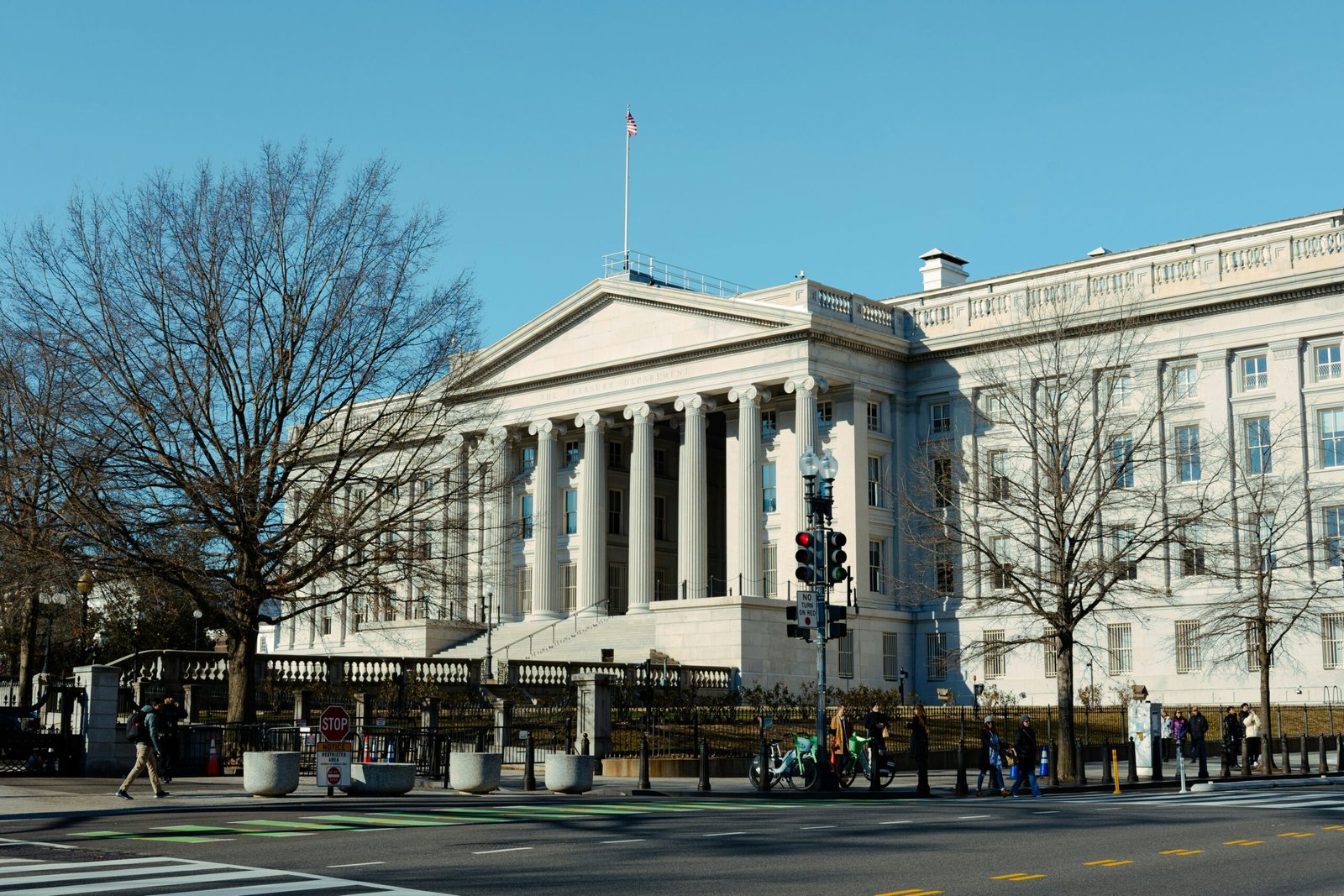
According to the USDA’s official release, which can be accessed here:
USDA.gov — $16B Disaster Assistance Announcement,
the relief is specifically designed to support farmers who suffered direct losses from natural disasters in 2024–2025. This includes row-crop producers, ranchers, dairy operations, orchard owners and vegetable growers — all of whom faced severe economic hits this year.
For many, the news couldn’t have come at a more critical time. Countless farmers have struggled to recover from recurring climate-related challenges that disrupted crop cycles and pushed production costs to record highs. The financial strain has affected not only individual farms but also local communities, supply chains, food markets and national food security.
In states such as Iowa, Kansas, Nebraska, Texas, California, Georgia and the Dakotas, millions of acres of corn, soybeans, wheat, cotton, vegetable crops and fruit orchards faced catastrophic losses. Entire harvests were wiped out by extreme heat waves and multi-week droughts, while violent storms and unexpected floods destroyed fields in multiple regions. The situation became so severe that agricultural economists began referring to this season as the “Lost Crop Year” — the worst in at least ten years.
Farmers say the hardest part has been the unpredictability. Severe drought conditions earlier in the year were followed by intense rainfall, and then by episodes of frost that arrived weeks earlier than normal. These swings created disastrous conditions for crops at every stage of growth. Even farmers with advanced irrigation, modern infrastructure, and extensive insurance coverage reported losses they had never experienced before.
With the new $16B aid package, the government aims to soften the financial shock and help producers restore operations before the next planting season. USDA officials confirmed that the relief funds will be distributed through multiple programs, allowing farmers to apply based on the severity and type of crop loss. Insurance payouts alone cannot cover the scale of damages this year, making federal support essential.
Large-scale producers, small family farms, and mid-sized growers all stand to benefit from this support. The USDA emphasized that the aid will prioritize farmers who experienced losses due to disasters outside their control. The announcement brings a sense of temporary relief to an industry that has spent months on the brink of crisis.
In interviews across agricultural communities, farmers described this year as a combination of financial stress, emotional strain and operational uncertainty. Many said they struggled to cover fuel costs, fertilizer, labor and machinery maintenance as yields dropped drastically. Others expressed concern about long-term soil damage caused by excessive drought or flooding, which could reduce future harvest potential.
Trucking companies, grain elevators, food processors and export terminals also felt the impact. Lower crop volumes meant fewer shipments, reduced throughput and weakened supply-chain flow. Economists warn that reduced harvests directly influence grocery prices, as limited supply and high transportation costs create upward pressure across food categories.
Consumer products such as bread, cereal, animal feed, dairy, meat, vegetable oils and packaged goods often depend on stable crop production. When fields fail, the costs ripple through every part of the food economy. This year, many Americans noticed price increases at supermarkets, especially in flour-based products, fresh produce, livestock feed and grains.
Retail analysts believe food inflation could rise again in 2026 if crop recovery lags. This makes the $16B relief package not just an agricultural issue but a broader economic stabilizer. The future of grocery pricing, livestock market stability and global export competitiveness directly depends on how quickly farmers can recover from this unprecedented crop disaster.
Farmers, especially those operating multi-generation family farms, say they are relieved but cautious. While government assistance is necessary, it cannot fully replace the value of a lost harvest. It can, however, keep farms alive, prevent closures, reduce bankruptcy risk and allow producers to prepare for the next planting window.
Some growers also worry about rising insurance costs. With a growing number of disaster claims over recent years, insurers may increase premiums or tighten eligibility standards. The federal aid helps counterbalance this, but long-term financial strain remains a major concern throughout rural America.
Beyond financial issues, the emotional toll has been heavy. Many families say this year felt like “fighting against nature nonstop,” with unpredictable storms ruining crops they had spent months nurturing. Several farmers interviewed described feeling exhausted, discouraged and uncertain about future climate patterns. For rural communities built on farming traditions, watching fields destroyed repeatedly was heartbreaking.
At the same time, agricultural economists warn that climate volatility is becoming the new norm. Drought cycles are intensifying, storms are growing more destructive and seasonal weather patterns are becoming less predictable. Without stronger adaptation strategies, future crop seasons may face similar or even worse disruptions. The new relief package acknowledges this reality by providing financial tools to help farmers invest in resilience.
The USDA stated that a portion of the funds will also support infrastructure improvements, including irrigation upgrades, soil restoration, flood mitigation tools and climate-resilient farming practices. These investments are intended to help producers better withstand extreme conditions in upcoming seasons. The transition to resilient agriculture has become a national priority.
The economic stakes go far beyond rural communities. Agriculture is a cornerstone of American exports, contributing billions to the national economy. Global buyers depend heavily on U.S. corn, soybeans, wheat, cotton, almonds and many other commodities. When domestic production drops, competitors such as Brazil, Canada and Australia capture greater market share. This affects America’s influence in global trade and food security.
Businesses that rely on grain exports, livestock feed, ethanol production and processed foods have all experienced disruptions. The 2025 crop disaster has created shortages that forced some processing plants to reduce shifts, cut orders or temporarily halt operations. The situation is expected to normalize only if the 2026 harvest season brings stability and strong yields.
Financial markets also reacted to the news. Commodity prices for corn, soybeans, wheat and cotton rose sharply earlier in the year when losses became clear. Wall Street analysts now say the government relief package may stabilize markets, but long-term volatility remains a concern. Investors continue monitoring weather patterns, soil recovery and planting projections for next year.
The ripple effects extend further into food manufacturing, packaging companies, transportation networks, fertilizer suppliers and equipment dealers. When farmers struggle, entire economic ecosystems feel the strain. This is why the federal government stepped in with such a substantial amount — not only to revive farms but to protect the broader American economy from deeper disruption.
Rural banks and credit unions, which provide financing to farmers, also welcomed the relief package. Without support, many borrowers would be at high risk of loan defaults. Financial institutions across the Midwest and South say the relief will help stabilize credit conditions and prevent widespread financial contagion.
For many families, especially small and medium-sized farms, the new funding represents a lifeline. High fertilizer prices, expensive equipment, labor challenges and fluctuating grain markets have already placed pressure on producers. The additional blow of unpredictable weather threatened to push many farms past the breaking point.
State agricultural departments across the U.S. are now preparing outreach programs to help farmers understand how to apply for the relief.
State agricultural departments across the U.S. are now preparing outreach programs to help farmers understand how to apply for the relief. Many states will launch online portals, county-level assistance centers and helplines to guide producers through the application process. USDA offices expect an overwhelming number of submissions, given the scale of losses and the number of farms affected.
Producers across the Midwest and South say they hope the funds will arrive quickly enough to make a difference before the next planting cycle begins. Timing is critical: equipment repairs, seed purchases, fertilizer orders and land preparation must start months before spring. Any delay in funding could force farmers to postpone vital operations or borrow money at high interest rates — adding more financial pressure.
During conversations in rural communities, farmers expressed frustration over how expensive agricultural production has become. Fuel prices remain elevated in many regions, fertilizer costs have risen dramatically over the last two years and labor shortages have increased wages. When combined with record-low yields, the economic equation becomes unsustainable for even experienced producers.
Livestock producers have also reported challenges linked to the crop disaster. With grain and feed supplies reduced, prices for animal feed have surged. Ranchers say the cost of maintaining cattle, poultry and hogs has increased sharply. Some were forced to reduce herd sizes or sell livestock earlier than planned to manage expenses. These decisions create long-term financial disruptions, as rebuilding herds takes years.
In California’s Central Valley, almond and fruit orchard owners described losing millions of dollars in potential revenue due to extreme heat waves and early-season frost. Many orchards suffered irreversible damage to buds and young fruit. The relief package provides additional funds for specialty crop growers who often face unique vulnerabilities not covered by conventional insurance.
In the Great Plains, wheat farmers have experienced extensive drought conditions that weakened soil health and disrupted planting cycles. Many reported fields that produced less than half of their usual yields. Federal assistance may help these producers recover basic operational stability and begin soil restoration efforts that are now urgently needed.
Cotton producers in Texas and Georgia similarly faced disastrous outcomes this season. Many saw crop quality decline sharply due to excessive heat and erratic rainfall. The $16B in assistance includes targeted support for cotton growers whose yields fell significantly below historical averages. The funds will be distributed based on verified losses and crop insurance data.
The relief also acknowledges the economic pressure on dairy operations. Record heat waves reduced milk production across several states, and rising feed costs added to operational strain. Many dairy farmers have warned that without financial support, they would struggle to maintain herd health and productivity. USDA aims to support these operations before long-term decline sets in.
The U.S. agricultural sector is no stranger to adversity, but this year’s combination of drought, flooding, storms and disease created a level of uncertainty unlike anything seen in recent years. Some farmers compared the season to the 2012 drought, while others said it was even worse. The consistency, intensity and geographic spread of disasters made recovery exceptionally difficult.
Economists have warned that climate volatility is likely to reshape American agriculture over the next decade. Even with modern equipment, irrigation, genetically improved seeds and digital technology, farmers cannot fully predict or control abrupt weather shifts. The relief package acknowledges this long-term reality and allocates funds for climate resilience projects that will help farmers prepare for future uncertainty.
Rural communities — which rely heavily on farm income to support local businesses, schools and infrastructure — say the new assistance brings hope. Many small towns have seen declining revenue as crop sales dropped this year. Restaurants, hardware stores, feed suppliers, equipment dealers and transport companies all felt the impact. The new aid aims to stabilize these local economies and prevent deeper decline.
But beyond financial support, many farmers say the government’s recognition of their struggles is equally important. Rural families often feel overlooked in national economic discussions. This announcement signals that the federal government understands the magnitude of challenges they face and is committed to helping them recover.
Industry leaders note that the relief package also benefits the national economy. Agriculture remains one of America’s most strategic sectors, influencing everything from trade balances to food prices, manufacturing, logistics and rural job creation. When agriculture weakens, the consequences spread far beyond farmland.
Because of this, the $16B support package is not just a rural initiative — it is a critical economic action that protects the stability of the entire food supply chain. Experts argue that without such intervention, grocery store prices, export competitiveness and domestic food security could be at serious risk.
Farmers say they plan to use the funds responsibly, with many focusing on repairing infrastructure, restoring damaged land, paying down debts and preparing for next season. They also emphasize the importance of mental health support for rural families, who have endured months of uncertainty, stress and emotional exhaustion due to unpredictable disasters.
Many producers are also considering investing in new technologies to improve climate resilience. These include advanced drought-resistant seeds, precision irrigation systems, soil moisture sensors and farm-level weather forecasting tools. Although expensive, such investments can reduce vulnerability to extreme weather events.
The relief announcement has also sparked discussions about long-term agricultural policy. Experts have urged lawmakers to create more permanent disaster-response systems, arguing that emergency aid is not enough when climate disruptions occur regularly. Policymakers are now debating whether future farm bills should include stronger protections and automatic disaster adjustments to reduce bureaucratic delays.
Crop insurance companies are also reviewing their disaster models, anticipating more extreme conditions in the years ahead. Higher losses may lead to adjustments in premiums and coverage limits, making federal intervention even more essential. Many farmers believe future survival will depend on a combination of insurance, federal support and modern resilience strategies.
Environmental specialists highlight that soil restoration efforts funded through the relief package are vital. Flooding, drought and high temperatures degrade soil structure, reduce fertility and disrupt natural biological processes. Without active restoration, damaged soils could take years to recover, threatening future harvests.
Water management is another major issue. Drought-affected regions will need improved irrigation systems, drought-resistant crops and better water conservation strategies. States reliant on major river systems have already begun planning long-term water-sharing agreements to reduce conflict during dry seasons.
USDA officials have confirmed that additional updates will be released over the coming months. Farmers will receive detailed instructions for relief eligibility, documentation requirements and payment schedules. The agency expects strong participation across all crop sectors.
For now, America’s agricultural communities are cautiously optimistic. While the challenges of the past year have been enormous, the new relief package represents a lifeline large enough to stabilize the industry and restore confidence. Many believe that with proper support, infrastructure upgrades and improved climate strategies, the 2026 season could be a year of recovery and renewal.
This moment marks a major turning point for American agriculture. With billions in federal support, producers across the United States now have an opportunity to rebuild their operations, restore damaged farmland and strengthen their resilience against future challenges. As farmers prepare for the next planting season, they carry both the lessons and the scars of a difficult year — but also a renewed sense of hope.
In Short:
- The United States approved more than $16B in aid for farmers after widespread crop disasters.
- Extreme weather caused the worst crop year in a decade across multiple states.
- Relief funds will support row crops, orchards, livestock operations and specialty crops.
- Experts warn future climate volatility may require stronger agricultural protections.
- The relief package helps stabilize food prices, rural economies and national supply chains.
Q&A: Common Questions
Q1. Who qualifies for the $16B farm relief?
Farmers and ranchers who experienced verified crop or livestock losses due to disasters in 2024–2025.
Q2. How soon will payments arrive?
USDA says distribution will begin in stages once applications open. States will oversee the initial process.
Q3. Will this aid reduce grocery prices?
It may prevent further price increases by helping stabilize supply chains, but immediate drops are unlikely.
Q4. Does the relief include help for orchard, dairy and specialty crops?
Yes. This package covers row crops, orchards, dairy farms, ranches and specialty crop growers.
Q5. Why is this described as the worst crop year in a decade?
Because droughts, storms, early frost and extreme heat caused widespread crop failures across multiple regions.
Sources: USDA.gov, agricultural economists, rural community reports, NewsSparq USA editorial review.













Leave a Reply