

UNITED STATES — America is preparing for significant price increases across the transportation, construction and logistics sectors after former President Donald Trump announced a sweeping 25% tariff on all imported medium and heavy-duty trucks. The decision, set to go into effect on November 1, 2025, is already sending ripples across the economy, with industry leaders, trucking companies, and business owners warning that the new tariff could spark one of the biggest cost surges in the U.S. freight market in more than a decade.
The announcement, delivered during a nationally televised economic briefing, emphasized strengthening domestic manufacturing and reducing reliance on foreign-made trucks. Trump argued that the move will protect American jobs and “bring manufacturing back home.” But within hours, analysts, economists and trucking experts issued urgent warnings: American businesses may soon face higher transportation costs, delayed fleet expansions, and increased consumer prices — especially in sectors where imported heavy vehicles are considered essential.
For years, American companies have relied heavily on imported trucks from countries such as Mexico, Canada, Germany, Japan and South Korea. These trucks are often more fuel-efficient, more technologically advanced or more competitively priced than domestic options. Importing them allows logistics companies to maintain large fleets without breaking budgets. With a sudden 25% tariff, however, fleet owners could face millions of dollars in added expenses — and those costs inevitably trickle down to consumers.
Economic analysts are now predicting a chain reaction: higher trucking costs will increase shipping rates, which will push up the price of groceries, construction materials, furniture, electronics and other goods that depend on long-haul transportation. This is why many Americans, from small business owners to big retailers, are bracing for another wave of inflation.
Industry leaders say the timeline is especially concerning. Many trucking companies operate on year-long contracts, fuel agreements and fixed delivery schedules. A sudden tariff forces them to renegotiate deals, raise customer prices or absorb losses. In an industry already shaken by fuel volatility, driver shortages, rising insurance rates and supply-chain disruptions, the new tariff adds yet another heavy burden.
Logistics companies across the country have already begun issuing internal notices to prepare their clients for “significant price adjustments” beginning early 2026. Some companies announced temporary holds on fleet expansion, while others are accelerating purchases before the tariff deadline to avoid paying the additional 25%. Dealerships that specialize in imported heavy-duty trucks reported increased inquiries within minutes of the announcement, as companies scramble to stock up before the cost spike hits.
Opponents to the tariff argue that while protecting domestic manufacturing is important, such drastic import penalties could harm American consumers more than foreign suppliers. Many U.S. manufacturing plants are not equipped to instantly scale up production to replace imported trucks. This means demand-supply imbalance could worsen, leading to even higher prices and delivery delays.
Supporters, however, believe the tariff will force foreign manufacturers to open more factories on U.S. soil, creating thousands of jobs. They point to past tariffs on steel, solar panels and semiconductors that eventually led to increased domestic production. “This is about economic independence,” supporters argue. “America should not depend on foreign-built heavy trucks when its own workforce can build them here.”
Transportation experts warn that the short-term impact will be painful, even if long-term benefits appear. Heavy-duty trucks are the backbone of America’s supply chain. They move everything — food, medicine, fuel, industrial equipment and consumer goods. Any disruption to fleet capacity or vehicle availability can quickly ripple throughout multiple sectors.
In port cities like Los Angeles, Houston, New Orleans, Savannah and Newark, trucking companies fear the tariff will add pressure to an already strained port transport network. Many import-reliant companies operate older fleets due to the high cost of new trucks. The tariff may push some companies to delay replacing aging vehicles, raising safety and efficiency concerns.
Meanwhile, retail chains, grocery distributors and e-commerce giants are quietly preparing for a wave of price adjustments. Analysts expect transportation surcharges to rise sharply as carriers factor the tariff into their rate sheets. These surcharges are typically passed directly to consumers, showing up in product prices and delivery fees across the country.
Some economists predict the tariff could ignite trade retaliation. Countries affected by the policy may impose their own duties on U.S. exports or reduce import agreements. This could impact American agriculture, machinery, auto parts and manufacturing sectors that rely heavily on international trade.
In Washington, the announcement sparked immediate division. Republican allies praised the move as a bold step toward strengthening domestic industry. Democratic lawmakers criticized it as economically risky and warned it could further increase the cost of living. The political reaction reflects broader debates about tariffs, globalization, and supply-chain vulnerabilities that have intensified since the pandemic.
Many small business owners, especially those running regional trucking fleets, expressed concern that the tariff could squeeze them out of the market. Unlike large trucking companies, small fleets operate with tighter profit margins. A 25% increase in vehicle cost could force them to raise client prices dramatically or freeze expansion plans entirely.
As the nation processes the implications of the tariff, businesses are already exploring solutions. Some are experimenting with hybrid fleets combining domestic and imported vehicles. Others are considering leasing instead of purchasing new trucks, hoping that lease providers will spread out the tariff costs over longer contracts. A few companies plan to shift more goods onto rail or short-haul networks to save money, though these alternatives have limitations.
Truck drivers themselves have mixed reactions. Some worry that reduced fleet expansion could limit job openings or delay replacements for older trucks. Others believe that increased domestic manufacturing could eventually create better employment opportunities within the United States. Driver associations caution that policymakers must prioritize long-term workforce stability, not just trade goals.
Among everyday Americans, the tariff has already sparked questions: Will grocery prices rise again? Will furniture, electronics, or home-building materials cost more? Will delivery fees increase? Analysts warn that the answer to all of these is likely yes — not immediately, but gradually, as new trucking costs influence retailer pricing structures.
Heavy-duty trucks are often overlooked in public discussions about inflation. But behind every product on a store shelf is a transportation chain that depends heavily on truck availability and affordability. This is why economists warn that even a minor disruption in truck pricing can create a snowball effect throughout the national economy.
Construction companies are also preparing for impact. Many rely on imported heavy-duty trucks for hauling equipment, materials and debris. The tariff could force firms to raise bid prices for major projects or delay expansion plans. Industry insiders say the added cost will eventually trickle down to homeowners, infrastructure developers and municipalities — potentially slowing construction activity in several states.
Economists also warn that the timing of the tariff may influence inflation, which has fluctuated throughout the year. If transportation costs rise too quickly, inflation could surge again just as families were beginning to feel relief. This has raised political concerns, with analysts suggesting that the tariff could reshape debates ahead of the next election cycle.
The global reaction has been swift. Several major truck manufacturers, including companies in Europe and Asia, have already released statements expressing disappointment and concern. Some may consider shifting partial production to the United States to avoid the tariff, while others may explore diplomatic channels to negotiate trade exemptions. International trade experts say the tariff could become a point of tension in future U.S. trade discussions.
Auto industry analysts also point out that domestic manufacturers may not be able to meet increased demand in the short term. While U.S.-based truck companies stand to benefit from reduced competition, scaling production requires time, workforce expansion, material sourcing and manufacturing capacity. The transition could take months or even years, leaving a temporary gap between supply and demand.
In states heavily dependent on trucking — such as Texas, California, Georgia, Tennessee, North Carolina and Illinois — local business groups have already begun lobbying lawmakers for exemptions or phased implementation schedules. They argue that sudden cost increases could damage state economies, reduce business confidence and trigger layoffs in industries connected to freight transport.
From coast to coast, the trucking industry is reassessing its near-term plans. Fleet managers are recalculating budgets, logistics firms are revising contracts, and businesses are reevaluating price structures. Some experts say the tariff may accelerate the adoption of electric and hybrid trucks, as companies explore alternative ways to reduce long-term operating costs. However, higher upfront prices for electric vehicles may still pose financial challenges for smaller fleets.
Meanwhile, import-dependent sectors such as manufacturing, retail, agriculture and e-commerce are updating their financial forecasts to account for the tariff. Retailers expect higher transportation surcharges, farmers anticipate increased equipment-delivery costs, and tech companies predict higher shipping fees for imported goods. These adjustments will affect consumer prices gradually throughout 2026.
Public reaction remains deeply divided. Supporters applaud the decision as a patriotic economic strategy designed to protect American workers and reduce foreign reliance. Critics argue that tariffs often function as indirect taxes on consumers, whether intentional or not. This debate has intensified across social media platforms, where users from different political backgrounds voice their interpretations of the long-term impact.
The tariff has quickly earned a nickname among trucking groups: “The 25% Shockwave.” The term reflects how rapidly and widely the policy’s effects are expected to spread. Within just 24 hours of the announcement, multiple trucking forums, industry newsletters and logistics networks began referring to it by this name.
Small trucking fleet owners have been especially vocal. Many operate with narrow profit margins and limited financial flexibility. For them, purchasing even a single heavy-duty vehicle represents a major investment. A 25% price increase could mean delaying fleet upgrades, reducing driver recruitment or increasing customer rates at a time when they are already competing with larger carriers.
In addition, financial institutions that support fleet loans expressed caution. Some banks and leasing companies expect to tighten lending requirements due to anticipated risk increases. Higher vehicle prices could lead to larger loan amounts, extended financing terms and potentially higher interest rates for trucking businesses.
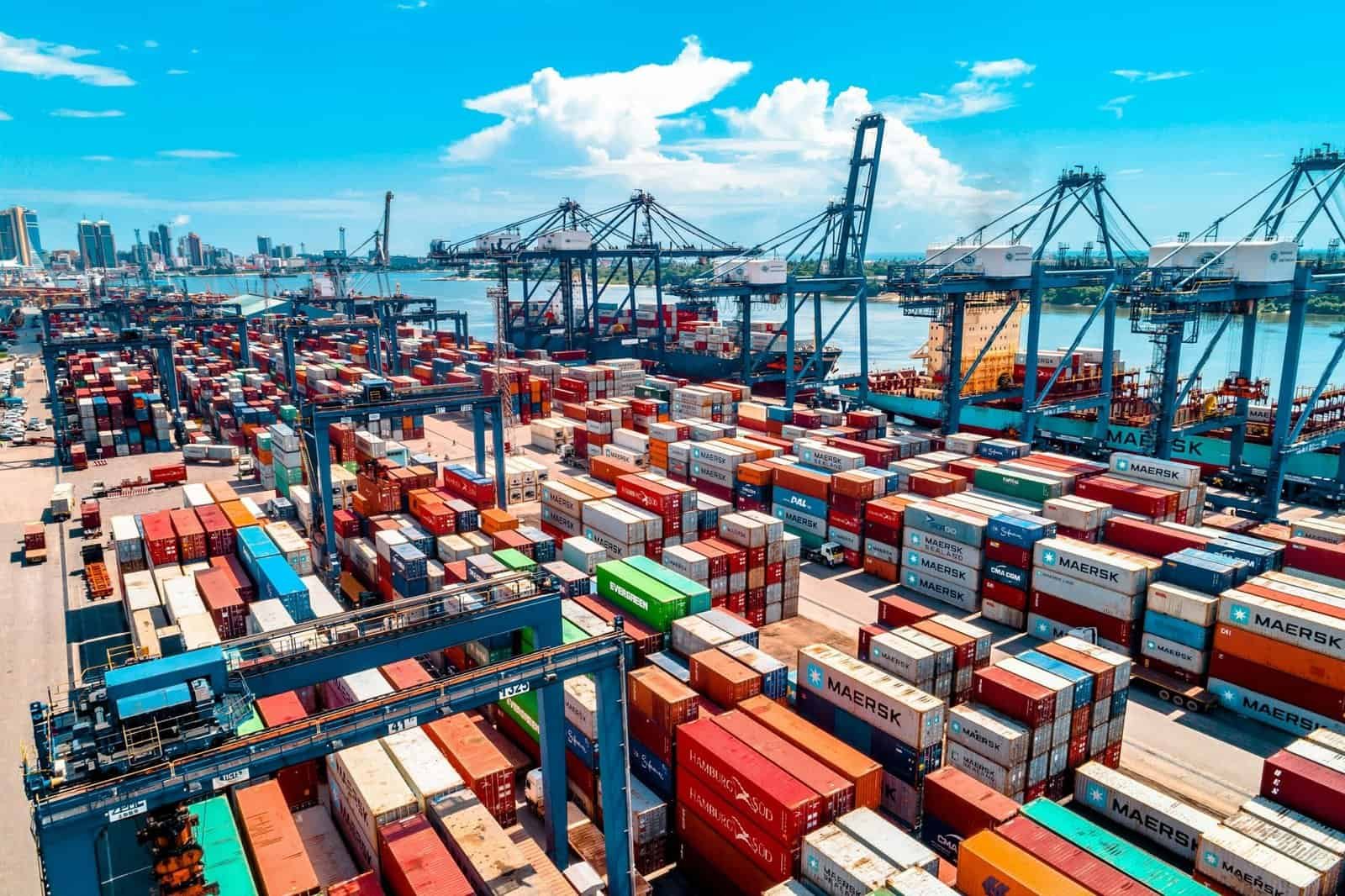
Port operators are also preparing for potential disruptions. Imported trucks often arrive through major U.S. ports, where they are distributed nationwide. A steep tariff could reduce the volume of incoming heavy-duty vehicles, affecting port revenue streams. At the same time, increased demand for domestic vehicles could alter shipping patterns, container flows and freight schedules worldwide.
Some technical analysts believe the tariff could also impact research and development cycles. Many imported trucks include foreign-built engines, electrical components and automated systems. If manufacturers slow exports to the United States due to the tariff, it may temporarily reduce the availability of the latest truck technology — including safety systems, fuel efficiency updates and autonomous driving features.
Environmental groups have raised their own concerns. If companies delay replacing older trucks due to higher costs, the number of aging diesel vehicles on American roads may increase. This could lead to higher emissions and slower progress toward environmental targets — at least in the short term. Conversely, domestic manufacturers may respond by accelerating the development of cleaner, more efficient trucks, giving long-term benefits to U.S. air quality and sustainability goals.
In rural states, agricultural producers anticipate rising costs for machinery delivery, livestock transport and fertilizer distribution. Many farms rely on medium-duty trucks for essential daily operations. With inflation already affecting feed, fuel and fertilizer prices, the tariff could push production costs even higher, making it more expensive for families to operate farms and ranches.
America’s construction industry, retail sector, manufacturing plants and logistics hubs are now entering what many experts describe as an “adjustment phase.” Businesses must adapt to a new reality where transportation — the backbone of every supply chain — is becoming more expensive. The challenge will be finding balance: maintaining profitability without burdening customers with excessive price increases.
While the tariff is set to take effect in November 2025, analysts say the economic consequences will be felt steadily throughout 2026 and beyond. Most industries will attempt to minimize the immediate impact, but as older fleets phase out and new trucks are needed, the tariff’s full force will become unavoidable.
Whether the policy brings long-term advantages or creates persistent financial strain remains to be seen. Supporters emphasize economic independence and domestic job creation. Critics warn of inflation, reduced competitiveness and trade retaliation. For now, American businesses and consumers are bracing for a new era of higher trucking costs — one that could reshape the nation’s economy in ways that are only starting to be understood.
In Short:
- Donald Trump has announced a 25% tariff on all imported medium and heavy-duty trucks.
- Businesses expect higher transportation and shipping costs in 2026.
- Prices for groceries, construction materials and consumer goods may rise.
- Industry leaders warn of inflation and supply-chain strain.
- Supporters argue it will encourage domestic manufacturing growth.
Q&A: Common Questions
Q1. When will the 25% tariff take effect?
It will begin on November 1, 2025, affecting all imported medium- and heavy-duty trucks entering the United States.
Q2. Why did Trump introduce this tariff?
The goal is to boost domestic manufacturing, reduce foreign dependence and encourage companies to build more trucks within the U.S.
Q3. Which industries will be impacted the most?
Logistics, construction, agriculture, retail and manufacturing are expected to face the highest cost increases.
Q4. Will truck prices rise immediately?
Not instantly, but prices will increase as soon as companies begin purchasing new imported trucks after the tariff enforcement date.
Q5. Will this tariff cause inflation?
Economists expect it to push inflation upward in 2026, especially in transportation-dependent industries.
Sources: Public statements, verified economic reports, industry analysis, NewsSparq USA desk.













Leave a Reply