

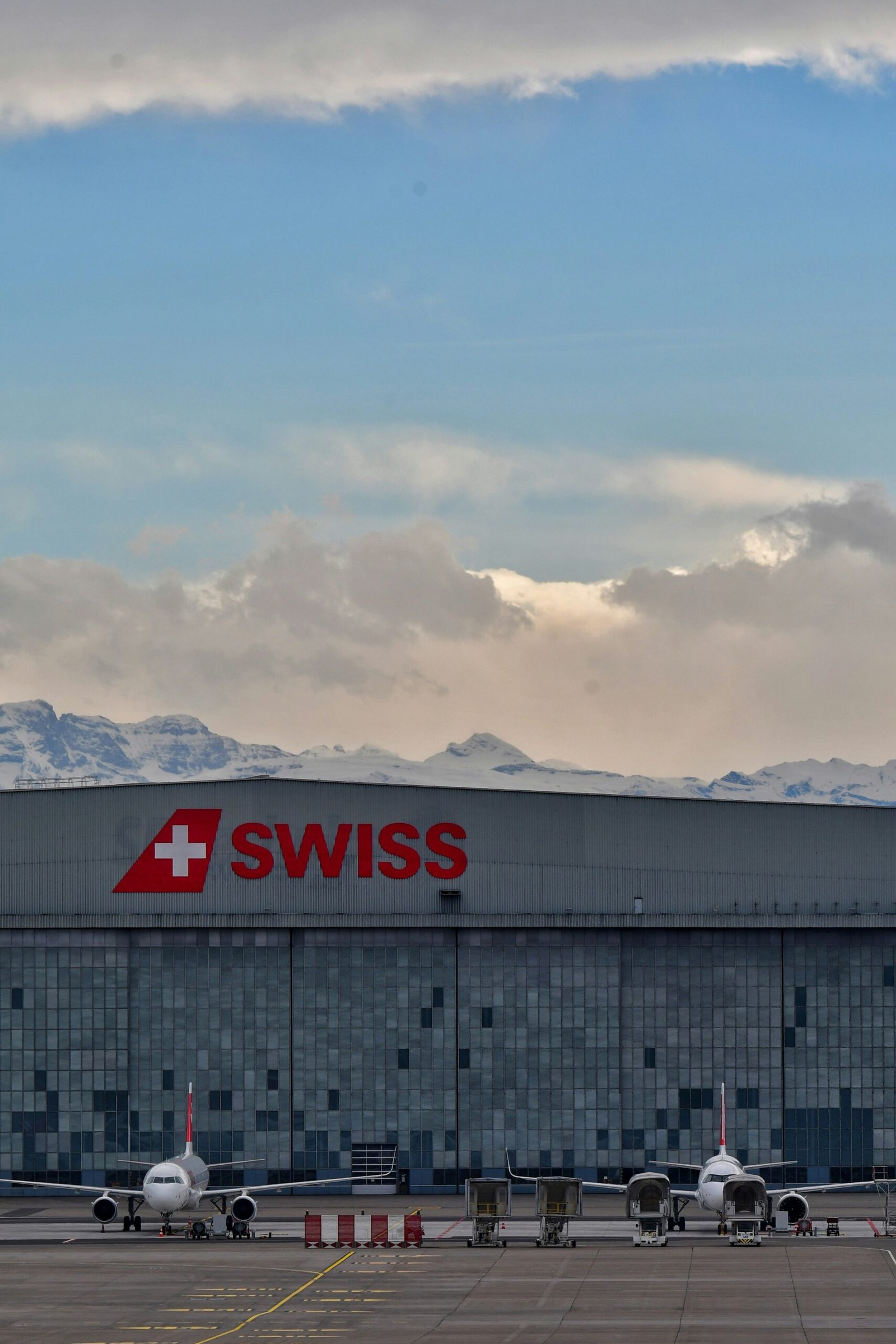
UNITED STATES. The United States has confirmed tariff provisions under its trade agreement with Switzerland, formally activating rules that define how import duties will apply to Swiss goods entering the American market. The confirmation provides clarity for companies that had been waiting for final guidance since the framework agreement was announced. With this step, US tariff rules for Switzerland are now in force.
U.S. trade officials said the confirmed measures apply to imports from Switzerland and Liechtenstein and follow the structure outlined earlier in the agreement. Under the rules, imported goods will face either the standard most favored nation rate or a fifteen percent tariff, depending on the product category, with the higher rate applied in each case.
The tariff provisions apply retroactively from mid November, prompting companies to review shipments and customs filings made during that period. Importers and logistics firms said the retroactive element increases administrative work but removes uncertainty that had delayed some transactions.
Instagram Post
Switzerland exports a range of high value goods to the United States, including pharmaceuticals, medical equipment, precision machinery, and specialty chemicals. Industry representatives said predictable tariff treatment is especially important in these sectors, where production timelines and regulatory requirements make sudden cost changes difficult to absorb.
The agreement also includes broader economic commitments beyond tariffs. Swiss companies have pledged significant investment in the United States over the coming years, with U.S. officials citing those commitments as a key factor behind the deal. The investment plans are expected to support manufacturing, research, and supply chain development across several states.
For broader context on recent currency and market movements, readers can refer to earlier reporting published by NewsSparq.
Dollar declines versus euro and yen after delayed U.S. jobs data release
Trade analysts say the confirmation of US tariff rules for Switzerland reflects a broader shift toward targeted bilateral trade arrangements. Rather than sweeping multilateral agreements, policymakers are focusing on deals that combine market access with investment commitments. Analysts note that the full economic impact will depend on how companies adjust sourcing and pricing strategies.
Market reaction to the announcement was muted, suggesting investors had largely anticipated the outcome. Currency and equity markets showed limited movement, while companies directly involved in U.S. Swiss trade said certainty around tariff treatment mattered more than short term market response.
YouTube Video
Economists note that while total trade volumes between the two countries are smaller than with some larger partners, the value of goods exchanged tends to be high. That makes tariff clarity particularly important for planning and compliance. Many firms are now reviewing contracts signed earlier in the year to ensure alignment with the confirmed rules.
Officials said the broader agreement is expected to be finalized fully by early next year, provided remaining conditions are met. Until then, the current tariff framework will remain in effect. The confirmation of US tariff rules for Switzerland is expected to shape future trade discussions between the two countries.
In Short
- The United States confirmed tariff provisions under its trade deal with Switzerland.
- The higher of the standard rate or fifteen percent applies to affected imports.
- The rules apply retroactively from mid November.
- The move gives businesses clearer guidance for trade planning.
What exactly did the United States confirm in this agreement?
U.S. trade officials confirmed how tariff provisions under the trade agreement with Switzerland will be applied, formally activating rules that had previously been outlined but not enforced.
How will tariffs be applied to Swiss imports?
Imports will face either the standard most favored nation rate or a fifteen percent tariff, depending on the product category, with the higher rate applied.
When do the new tariff rules take effect?
The tariff provisions apply retroactively from mid November, requiring companies to review shipments made since that period.
Why does this matter for businesses?
Clear tariff rules help companies plan pricing, logistics, and long term investment decisions, especially in high value industries.














Leave a Reply