

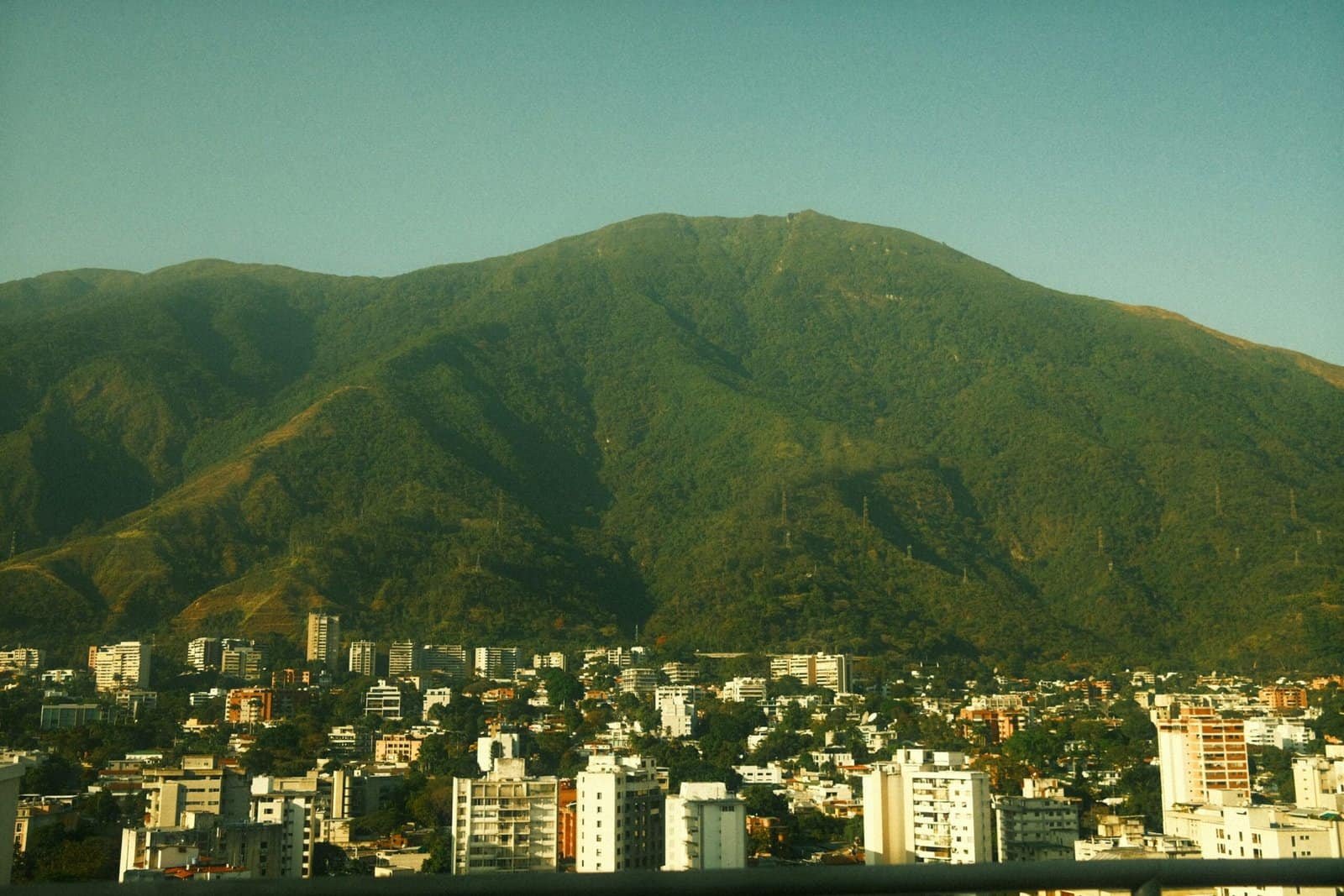
UNITED STATES — U.S. officials have formally added Venezuela’s so-called “Cartel de los Soles” to the Foreign Terrorist Organization list, a rare step that extends Washington’s legal reach over groups it believes operate across criminal and political networks. The decision, confirmed in late November and first reported by Reuters, reflects months of internal debate and fresh intelligence assessments. For U.S. agencies, the new status gives prosecutors, financial regulators and sanctioning authorities a wider toolkit to disrupt suspected operations and cut off channels that they argue have enabled trafficking and corruption.
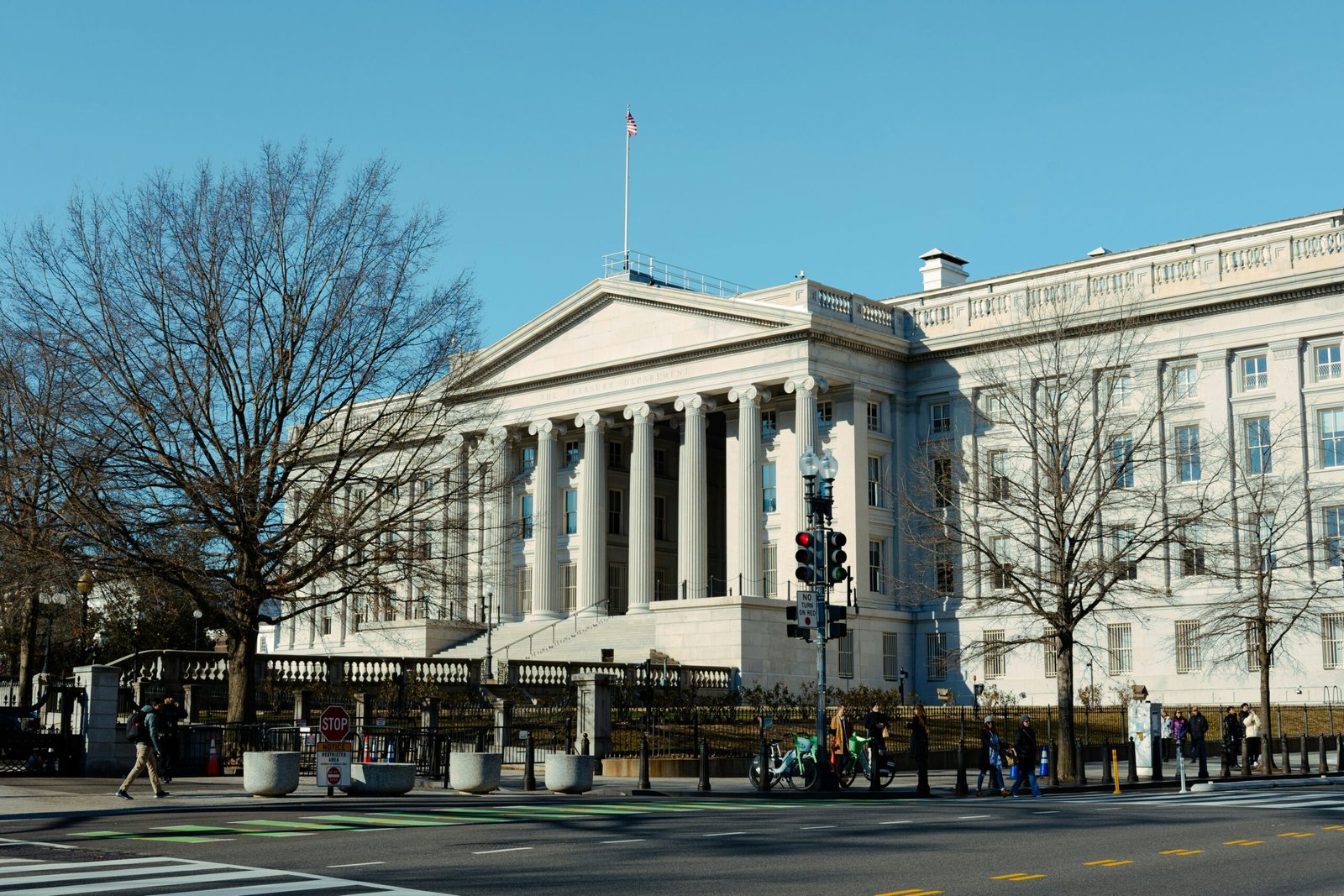
According to officials familiar with the review, the move followed consultations with regional governments and an examination of cross-border activity tied to the group. The designation empowers the Treasury and Justice Departments to initiate tougher actions — including asset freezes, criminal charges and secondary sanctions that can reach foreign banks or companies indirectly linked to flagged networks. Venezuela’s government dismissed the announcement immediately, calling it a politically motivated gesture and rejecting the intelligence assessments behind the decision.
Experts in sanctions compliance say an FTO listing can shift how global businesses approach even routine transactions. Banks, insurers and shipping firms often reassess exposure as soon as such designations are made, fearing reputational or legal risks. “Once an FTO notice goes out, compliance teams react quickly,” said a U.S.-based sanctions adviser who tracks market responses. “Even if enforcement actions take time, the private sector tends to move first, tightening controls simply to stay on the safe side.”
Financial channels are expected to feel the impact early. Correspondent banks that process international transfers linked to Venezuelan trade may request extensive documentation or pause operations until regulators issue clearer guidance. Commodity traders and shipping firms are reviewing long-standing contracts to determine whether any indirect exposure exists, anticipating that revised Treasury guidance will outline how far the new restrictions extend.
Across Latin America, reactions varied. Some governments described the measure as a firm step against transnational trafficking networks, while others warned that unilateral designations could complicate diplomatic engagement already strained by political disagreements. Analysts in Colombia and Brazil say the measure is likely to prompt increased border checks and intelligence-sharing, but humanitarian organisations caution that such shifts must not slow the movement of critical supplies or remittances.
Officials in Caracas rejected the U.S. claims outright, insisting that Washington was attempting to interfere in Venezuelan affairs. Government spokespeople argued that accusations of systematic collusion between security officials and criminal groups were politically driven and pointed to past disputes over sovereignty. They said the diplomatic response would reflect what they view as an “unfounded and hostile” action by the United States.
While international investigations have repeatedly highlighted alleged ties between certain Venezuelan officials and illicit networks, analysts stress that public reporting and classified assessments do not always align. By adding the group to the FTO list, the U.S. has shifted the matter into a legal framework that carries concrete consequences. The measure is not only symbolic; it restricts how international actors are allowed to engage with individuals or entities suspected of involvement.
Legal analysts say FTO listings tend to trigger immediate shifts in private-sector behaviour. Even when companies question the underlying intelligence, compliance teams are required to adjust internal risk calculations. As a result, shipping routes, financial transfers and procurement pipelines can change quickly, affecting industries that rely on predictable cross-border flows.
Humanitarian groups expressed concern about unintended fallout. Although sanctions frameworks typically include exemptions for aid, NGOs argue that unclear guidance can still delay shipments of medicines and essential goods. Workers familiar with relief operations say they need detailed instructions that ensure banks do not block legitimate transfers out of caution, particularly in countries where remittances are essential for daily survival.
Some analysts warn that pressure on trafficking routes may redirect activity elsewhere in the region, requiring new responses from neighbouring countries. Governments that support Washington’s decision say the added scrutiny could help dismantle long-entrenched criminal networks. Others argue that without coordinated implementation, the designation risks disrupting humanitarian access more than it curbs criminal activity.
Investigative work by outlets such as the Financial Times has highlighted allegations involving elements of Venezuela’s security apparatus, shaping public understanding of the issue. While such reporting has influenced international debate, the U.S. designation carries distinct legal authority. It formalises Washington’s assessment and changes how global institutions are expected to interact with individuals associated with the network.
Business advisers expect that financial institutions will begin contacting clients to clarify updated rules and documentation requirements. Traders may renegotiate contracts or ask for new declarations to avoid the risk of inadvertently violating U.S. restrictions. Even for transactions not directly connected to the designation, companies often adopt a more cautious approach to avoid potential compliance disputes.
Diplomatic observers say the designation will likely play into future negotiations concerning sanctions relief, electoral conditions and humanitarian access. Washington has alternated between pressure and selective engagement in past talks with Caracas, and the new status adds another variable to an already complex landscape. Regional organisations will watch closely for how the U.S. balances enforcement with safeguards for civilians.
For ordinary Venezuelans, the immediate concern is how changes in financial and logistical systems might affect daily necessities. Economists and aid workers emphasise that coordinated communication among banks, regulators and humanitarian groups is crucial to prevent unintended disruptions. They advise residents and businesses to monitor updates from the Treasury Department and the State Department as specific compliance instructions are released.
In Short:
- The U.S. has listed the Cartel de los Soles as a Foreign Terrorist Organization, expanding sanctions and legal tools.
- Caracas rejected the decision as politically motivated; Washington maintains it targets trafficking and corruption networks.
- Businesses and aid groups expect new compliance demands and are calling for clear guidance to avoid disrupting essential flows.
Q&A: Key questions answered
Q1. What does this designation mean for banks and businesses?
It increases compliance responsibilities and potential legal exposure. Institutions may limit services or require additional documentation for Venezuelan-linked activities.
Q2. Will humanitarian aid be stopped?
Aid is not automatically halted, but NGOs stress the need for clear guidance so banks and traders do not hesitate to process legitimate deliveries.
Q3. How did Venezuela respond?
Caracas condemned the move as politically motivated and said it would address the matter through diplomatic channels.
Q4. Which outlets reported this development?
Major verified sources covering this include Reuters, Al Jazeera and the Financial Times. Links are provided below.
Sources / Further Reading:




Leave a Reply