

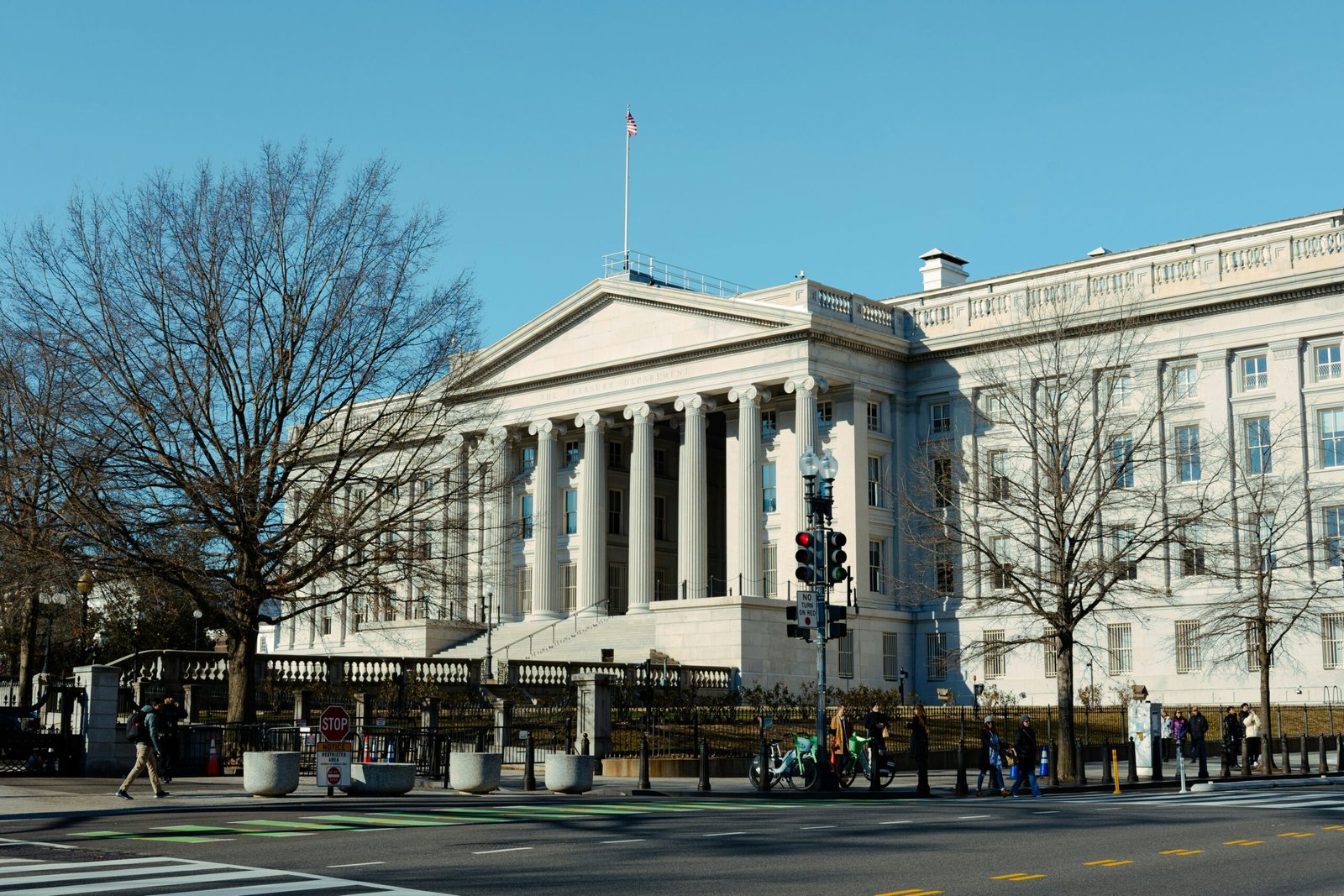
WASHINGTON. U.S. Interest Rates are expected to remain unchanged for several months as the Federal Reserve maintains a cautious stance while weighing the pace of cooling inflation against signs of continued economic resilience, according to comments from a senior central bank official reported by The Wall Street Journal.
Federal Reserve Bank of Cleveland President Beth Hammack said policymakers do not see an immediate need to adjust borrowing costs and are prepared to hold policy steady while reviewing incoming data. Her remarks suggest that officials are comfortable allowing current conditions to play out after a long period of restrictive policy.
The message arrives at a moment when investors and households have been looking for clearer direction. Over the past year, expectations around interest rates have shifted several times as inflation eased from earlier highs but failed to cool evenly across the economy. Policymakers have emphasized that they want to see consistent progress before considering any move.
For many households, this outlook points to little change in borrowing conditions in the near term. Mortgage rates, auto loans, and credit card interest often reflect expectations around central bank policy. A steady approach provides a degree of predictability for families planning major purchases or refinancing decisions, even as borrowing costs remain elevated.
Businesses are also adjusting to the likelihood that current rates may persist. Companies weighing expansion or capital investment typically rely on stable financing conditions. When borrowing costs appear unlikely to change soon, planning becomes more manageable, though some firms remain cautious as they wait for clearer signals on future easing.
Read background on the investment timeline
Hammack’s comments reflect a broader theme among Federal Reserve officials who have stressed data driven decision making. Inflation has moderated compared with last year, but policymakers continue to watch housing costs, services prices, and wage growth for signs that price pressures could reemerge.
The U.S. economy has shown resilience despite higher interest rates. Job growth has slowed from earlier levels but remains steady, while consumer spending has continued even as borrowing becomes more expensive. This balance has given policymakers room to pause and assess whether recent trends can be sustained.
Financial markets have reacted cautiously to the signal that U.S. Interest Rates may stay unchanged. Bond yields have moved as investors reassess the timing of any future adjustments. Clear communication from policymakers can help limit volatility even without a firm timetable.
Some analysts note that holding rates steady carries risks. Keeping borrowing costs elevated for too long could weigh on growth if global conditions weaken. Others argue that easing too soon could undermine progress on inflation. The current stance reflects an effort to manage both concerns at the same time.
The Federal Reserve’s policy position also has implications beyond the United States. Expectations around U.S. rates influence the dollar, capital flows, and financial conditions in other economies. When rates are seen as stable, pressure on global markets can ease, giving foreign policymakers more room to respond to domestic challenges.
Public reaction has been mixed. Borrowers hoping for relief may feel disappointed, especially as everyday expenses remain high. At the same time, some economists see value in caution, suggesting that stability now could help avoid sharper adjustments later.
Looking ahead, attention will remain focused on upcoming inflation and employment reports. Each release has the potential to reshape expectations. For now, signals from policymakers indicate that U.S. Interest Rates are likely to remain on hold while officials evaluate whether recent progress can continue.
As the year draws toward its end, the central question is whether inflation can keep easing without a meaningful slowdown in growth. If that balance holds, the current period of steady policy may last longer than many market participants once anticipated.
In Short
- A senior Federal Reserve official signaled that interest rates may remain unchanged for months.
- Policymakers are prioritizing inflation and labor market data before taking action.
- Stable rates provide predictability for consumers and businesses.
Why is the Federal Reserve holding rates steady
Officials want clearer evidence that inflation is easing sustainably while economic growth remains intact.
How does this affect borrowers
Loan and mortgage rates are unlikely to change significantly in the near term.
Could rates change later
Any adjustment will depend on future inflation and employment data.
How are markets responding
Markets are adjusting expectations while taking comfort in clearer guidance from policymakers.











Leave a Reply