

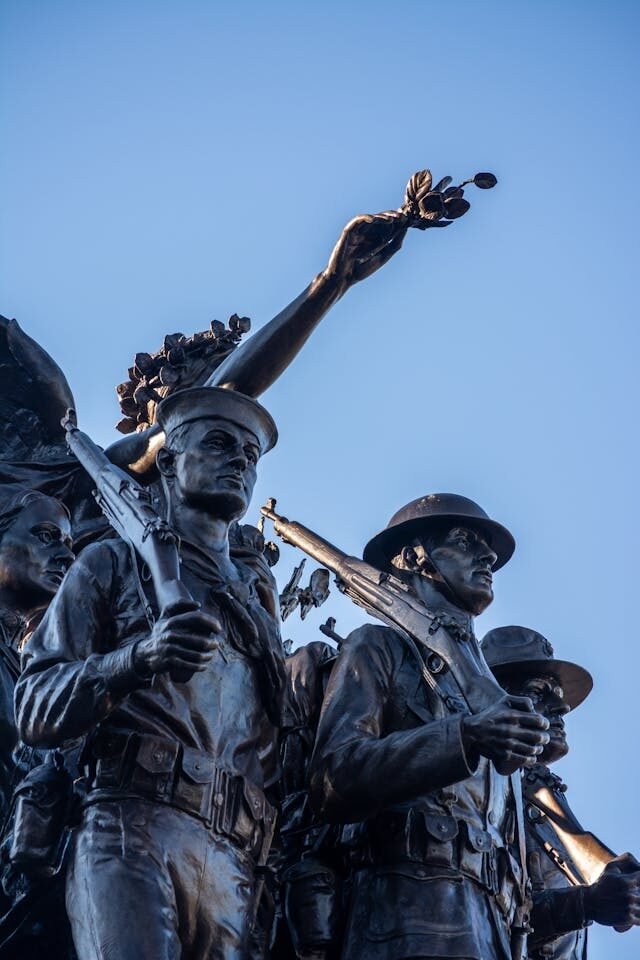
U.S. military pay 2025 — The White House has officially confirmed that every U.S. service member will receive their paycheck on time despite the ongoing government shutdown. The announcement, made by Vice President J.D. Vance late Thursday, has brought a wave of relief across bases nationwide after weeks of financial anxiety and political uncertainty.
“Our troops will be paid — without delay,” Vance told reporters in a brief televised statement. The assurance follows growing public concern that the shutdown could interrupt payroll for active-duty and reserve personnel. For many families already dealing with inflation and deployment stress, this confirmation came as a lifeline.
Officials said the Pentagon used existing authorities to redirect defense funds temporarily, ensuring that salaries for more than one million service members would be covered through the end of October. While the decision doesn’t end the shutdown, it prevents immediate hardship for military households relying on steady pay.
For many service families, the announcement lifted an enormous burden. “I can finally breathe,” said Staff Sergeant Amanda Lewis from Fort Bragg, North Carolina. “We were already planning how to stretch our groceries if the pay didn’t come.”
How the White House Secured the Money
Behind the scenes, Pentagon financial teams worked for days to locate available funds. As reported by Reuters, defense officials tapped unused research and development allocations and temporarily froze some projects to protect troop payrolls. The move mirrors similar steps taken during past shutdowns, where defense pay was prioritized even when Congress failed to act.
Earlier this month, Politico revealed that the Pentagon had accepted an anonymous $130 million private donation to help sustain salaries in case of extended funding gaps — a rare occurrence that underscores how severe the financial strain had become. While the contribution covered only a fraction of payroll needs, it helped bridge the gap until internal funds were redirected.
“We have identified lawful options to guarantee uninterrupted pay for our armed forces,” a senior defense official said on background. “No soldier should ever wonder if their paycheck will clear.”
Relief Across U.S. Bases
Across the nation, Friday began with a mix of gratitude and exhaustion. Families at Fort Hood, Norfolk Naval Base, and Camp Pendleton expressed relief that they could move forward with rent, bills, and childcare. Commissaries and on-base stores saw a jump in weekend activity as service members used the reassurance to catch up on essential spending.
At Joint Base Andrews, airmen celebrated quietly after receiving official confirmation emails. “We just needed clarity,” said Airman Jacob Reed. “We show up for work no matter what, so hearing that the government still has our back means everything.”
Economic Importance of Keeping Troops Paid
The impact goes far beyond military families. Consistent payrolls sustain entire local economies near military bases. “Every on-time paycheck keeps businesses open,” said economist Dr. Robert Finch from the U.S. Economic Policy Institute. “Restaurants, grocery stores, and daycare centers near bases depend on steady income from service members. Without that, you see an immediate drop in community spending.”
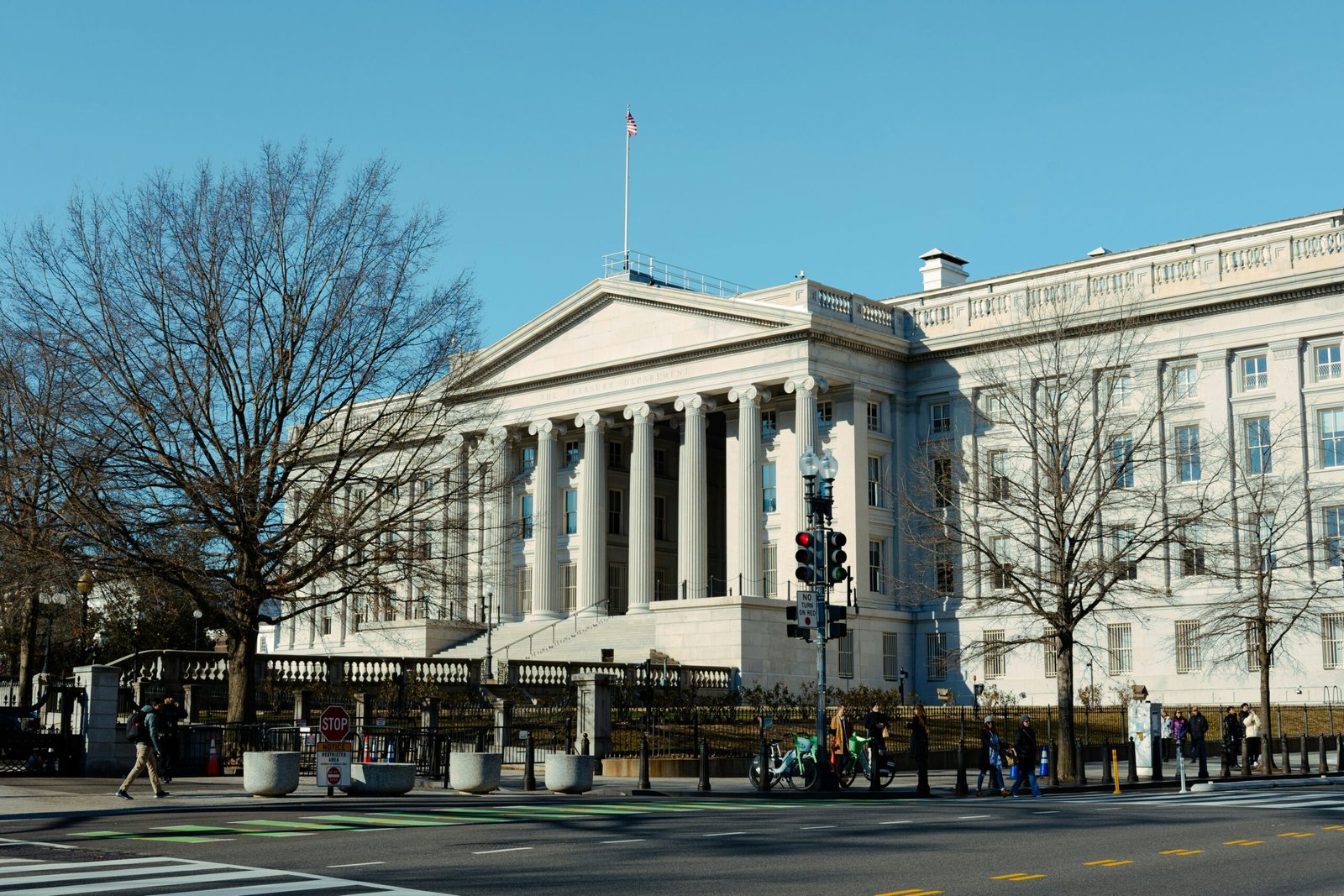
According to Associated Press, the Treasury Department worked with the Defense Finance and Accounting Service to prioritize military pay processing despite the wider shutdown. While civilian workers face delayed checks, the administration argued that ensuring troop pay was vital for both morale and national security.
Watch: White House Confirms Troop Pay (Official)
If the video does not load, click here to watch the official report on YouTube.
Families Still Cautious
Despite the relief, many families remain cautious about the future. “We’ve seen this movie before,” said Navy spouse Rachel Kim from San Diego. “It always feels temporary. You can’t budget confidence.”
Financial counseling centers on major bases report record demand for guidance on savings and credit management. “They’re grateful now, but they want to prepare in case funding runs dry again next month,” explained John Ramirez, a base financial advisor. “Shutdown stress lingers even after pay hits the account.”
How the Shutdown Reached This Point
The shutdown began when Congress missed the fiscal deadline for approving a new federal budget. Disputes over spending priorities and aid packages froze negotiations, triggering automatic closures across several agencies. For the Pentagon, the ripple effect was immediate: even though military operations continued, payroll funding risked stalling without legislative authority.
Defense Secretary Lloyd Austin pressed lawmakers privately to secure troop pay as a top priority, calling it “non-negotiable.” His insistence, along with coordination from Vice President Vance, paved the way for the announcement ensuring payroll continuity.
International Perspective
The story drew wide attention abroad. Reuters described the move as “a reassuring signal of continuity to allies watching America’s political turbulence.” European defense analysts praised the decision, noting that even symbolic instability in U.S. defense funding could worry NATO partners.
Experts said the swift response helps maintain global confidence. “Allies see this as proof that Washington still delivers when it matters,” said Dr. Amelia Rogers, a defense policy professor at Georgetown University. “It’s about credibility as much as economics.”
Instagram Update from the Vice President
Vice President Vance also shared a brief Instagram clip thanking defense workers for their patience. You can view the official post below:
Congress Faces Pressure for a Long-Term Fix
Lawmakers are now under growing pressure to prevent similar scares in the future. A bipartisan group in the Senate has introduced a proposal called the “Military Pay Protection Act,” which would permanently exempt military salaries from budget shutdowns. “Our troops deserve consistency,” said Senator Michael Bennett. “They should never be caught in the crossfire of politics.”
The House and Senate are expected to resume budget talks next week. While both sides have voiced support for protecting military pay, disagreement over broader spending caps continues to delay progress. Analysts predict that the next two weeks will be crucial in determining whether the emergency measures need to be extended.
Emotional and Psychological Impact
Even with pay guaranteed for now, the psychological toll remains. Financial counselors at several bases reported that anxiety levels among families spiked earlier this month when rumors of delayed pay began circulating. “Even temporary uncertainty can cause stress that affects performance and morale,” said counselor Dana Morris from Fort Benning.
Military psychologists note that steady income is deeply tied to service stability. “Our troops already face long deployments and dangerous missions,” Morris added. “They shouldn’t have to worry about whether their paycheck will arrive.”
Experts Urge Long-Term Reform
Policy experts agree that the pattern of temporary fixes must end. “Every shutdown costs time, trust, and morale,” noted Dr. Rogers. “The United States can afford to protect its armed forces from political gridlock — it just needs the will to make it permanent.”
Advocacy groups like the American Legion and Veterans of Foreign Wars have publicly backed new legislation, saying troop pay should be considered a national security priority, not a budget variable.
Global Reactions
International media quickly picked up the story, framing it as proof that the U.S. remains stable despite internal political disputes. The Associated Press reported that allies welcomed the move as a sign of continued readiness. “It shows resilience,” said a NATO official anonymously quoted by the outlet. “America may argue internally, but its commitment to readiness never wavers.”
Looking Ahead
As of now, payroll operations are guaranteed through mid-November. If Congress still fails to finalize a budget by then, the administration could authorize another round of emergency transfers. Officials insist they’re prepared but emphasize that temporary fixes can’t replace legislative stability.
For families, the focus is on gratitude — and cautious optimism. “We’re thankful,” said Sergeant Lisa Hampton from Colorado Springs. “But next month, we don’t want reassurance; we want certainty.”
For America’s troops, the message is simple: duty continues, and now — thanks to decisive action — their pay does too.
🧾 In Short:
- The White House confirmed that all U.S. troops will receive paychecks despite the shutdown.
- Funds were secured through Pentagon reallocations and emergency reserves.
- Officials call it a short-term solution; permanent reform is under discussion in Congress.
- Families and base communities welcomed the move but want lasting certainty.
- Lawmakers are debating a bipartisan bill to secure future military pay.











Leave a Reply