


(NEW YORK CITY — Wall Street Today) — U.S. stocks staged a broad-based rebound on Tuesday as growing signs that lawmakers were close to resolving the federal government shutdown sent investors back into risk assets. The Nasdaq Composite jumped roughly 440 points, while the S&P 500 rose about 1% and the Dow Jones Industrial Average added approximately 250 points. The move marked one of the market’s most pronounced single-day recoveries in recent weeks and capped a session driven largely by sentiment improvements rather than fresh economic data.
Why today’s rally mattered
Markets are emotional machines; when headline risk eases, even momentarily, capital flows back into equities. The shutdown — which had stalled government operations, delayed economic reports and created a cloud of political uncertainty — had been a consistent source of volatility. Tuesday’s optimism came after several Senate aides and negotiators told reporters they were close to a stopgap funding agreement, reducing the immediate threat of protracted federal shutdown effects on the economy.
Traders described the move as a classic “relief rally.” That phrase captures the session’s character: buying driven more by renewed confidence than by changed fundamentals. Still, the scale of the move — a near 3% surge in the Nasdaq — underlines how much sentiment had been compressed by recent political deadlock.
The market movers: big tech and mega-cap leadership
Technology names led the gains, with mega-cap firms carrying much of the day’s weight. Apple (AAPL) finished the day up around 0.9% at $269.43, while Microsoft (MSFT) rose 1.8% to about $506.00. Semiconductor leaders like Nvidia (NVDA) and AMD added more than 2% amid continued enthusiasm for AI and data-center spending.
The heavy concentration of index gains in a handful of tech giants has become a recurring theme this year. When investors decide to re-enter the market after periods of fear, these companies often receive the largest allocations — both because of their liquidity and because many see them as the most reliable large-cap growth plays.
🎥 Watch on YouTube — “Stocks Rally on Hopes for Shutdown Deal” (CNBC Closing Bell, November 2025)
Sector-by-sector snapshot
Technology: Led the market, as AI-related names and cloud-service providers regained favor. Nvidia’s cautious upgrade comments earlier in the week were largely forgotten in today’s risk-on environment.
Financials: Banks climbed as investors anticipated smoother fiscal operations with a funded government. JPMorgan and Citigroup were up roughly 1% each, while regional banks saw sporadic strength as well.
Consumer discretionary: Retailers and travel-related stocks benefited from hopes that government workers would have fewer disruptions to pay and services during the holiday period.
Energy: Mixed — oil prices eased slightly from the recent spike, weighing on some producers but helping sentiment in companies benefiting from lower input costs.
What analysts are saying
“This is a classic short-covering and position-rebalancing day,” said Erin Walsh, senior strategist at Canary Capital. “The political risk premium priced into asset markets has partially lifted — but that doesn’t mean the economic picture changed overnight. Investors should use this rally to reassess exposure, not assume a permanent shift in macro trends.”
Lydia Harper of MorningEdge Analytics added: “Earnings season still matters. If companies deliver weaker-than-expected guidance, this bounce could be fragile. But for now, the relief trade is real and meaningful.”
Investor sentiment and retail participation
Retail investors — who had been cautious or on the sidelines during the shutdown uncertainty — began to show renewed interest. Retail brokerage traffic rose in the afternoon session, according to several market data providers, and options flow highlighted strong call buying in mega-cap tech names.
That said, professional traders warned against chasing the top in the immediate aftermath of headline-driven rallies. “There’s always a push-and-pull when headlines shift the market. A measured approach, with stop-loss discipline and diversified exposure, is prudent,” said Tom Essaye, founder of Sevens Report Research.
Macro backdrop: data, Fed expectations and inflation
Markets are not just reacting to politics; the economic calendar remains full. Key inflation data and labor market reports are due in the coming days — releases that could influence the Federal Reserve’s policy stance well into 2026. If inflation readings surprise to the upside, the Fed could remain hawkish for longer than markets currently expect, which would put pressure on stocks.
For now, the recent drop in Treasury yields following the relief headlines has supported equity valuations. Lower yields make equities relatively more attractive compared with fixed income, particularly for high-growth stocks with earnings further out.
Major movers today (select highlights)
Apple (AAPL): +0.9% — steady performance as analysts reiterated robust device demand and better-than-expected services growth.
Microsoft (MSFT): +1.8% — investors responded to continued cloud and AI momentum.
Nvidia (NVDA): +2.3% — chipmakers recovered as AI optimism outpaced recent regulatory fears.
Amazon (AMZN): +1.4% — retail and cloud segments both benefited from improved sentiment.
JPMorgan Chase (JPM): +1.0% — banks climbed on the prospect of normalized government cash flows and calmer Treasury markets.
Earnings calendar and what to watch next
As the market digests today’s rally, investors will turn their attention to several corporate earnings releases and economic indicators this week. Big-cap tech earnings and commentary on AI spending will remain focal points, while consumer confidence and inflation prints could either bolster or halt the advance.
Key scheduled items this week include corporate updates from major retailers ahead of the holiday season, consumer sentiment surveys, and the monthly Producer Price Index (PPI). These data points will help determine whether Tuesday’s optimism translates into a sustained market trend.
Global implications and emerging markets
A stabilized U.S. political environment generally benefits global markets by lowering global volatility and encouraging capital flows. Emerging markets, which often suffer during episodes of heightened U.S. risk aversion, saw inflows as risk appetite improved. Currency markets also reacted — the dollar eased slightly, providing relief for dollar-denominated emerging-market debt and boosting commodity demand prospects.
Longer-term view: Is this the start of a sustained recovery?
While the rally is welcome, many strategists caution against calling it the beginning of a long-term bull market. Structural issues such as labor market tightness, sticky inflation, and high sovereign-debt levels in major economies continue to present headwinds.
“Think of today as a reset in sentiment rather than a regime change,” said Mark Chandler. “A durable recovery will require consistent earnings growth, easing inflation, and clarity on monetary policy. We don’t have all of that yet — but today bought investors time and confidence to assess the fundamentals more calmly.”
How different investor types reacted
Institutional investors tended to increase allocations selectively, favoring quality names with strong balance sheets and recurring revenue models. Portfolio managers said they were trimming speculative positions and boosting exposure to high-conviction tech and consumer names.
Hedge funds used the rally partly to cover shorts and lock in gains in macro trades. Some discretionary macro funds also rotated into commodity and industrial plays anticipating demand pick-up if spending normalizes.
Retail traders showed heightened interest in options activity on mega-cap stocks, with call-buying concentrated in names like Apple and Microsoft. This suggests retail participants were betting on continued upside in the immediate weeks ahead.
Practical advice for readers
For long-term investors, today’s rally is a reminder to keep exposure diversified and avoid emotion-driven overconcentration. If you’re a short-term trader, have clear entry and exit rules — headline-driven rallies can reverse quickly when new information appears.
Steps to consider:
- Review your portfolio’s sector balance — consider trimming overweights that rallied dramatically.
- Use stop-loss orders to protect gains if you’re trading near-term momentum.
- Consider dollar-cost averaging into high-conviction positions to avoid timing risk.
Small-cap and mid-cap reaction
Smaller stocks typically lag during headline-driven rallies unless accompanied by clear economic improvement. Today, small-cap indices showed modest gains, but the performance gap with large-cap tech remained wide. Investors seeking higher returns in small-caps should be prepared for greater volatility and ensure adequate diversification.
Market structure notes: liquidity, flow, and volatility
Liquidity improved through the trading day as bid-ask spreads tightened in many large-cap names. Options market activity spiked, indicating strong sentiment in both directions — bullish call buying and defensive put buying. The VIX fell to a two-week low, signaling reduced immediate fear, but traders cautioned that headline sensitivity remains elevated.
Political risk remains a wildcard
The biggest caveat is that political negotiations can reverse quickly. Lawmakers may appear close to a deal one day and stall the next. Investors are watching the fine print of any proposed funding measure and whether contentious riders or policy conditions could reintroduce uncertainty.
Voices from the trading floor
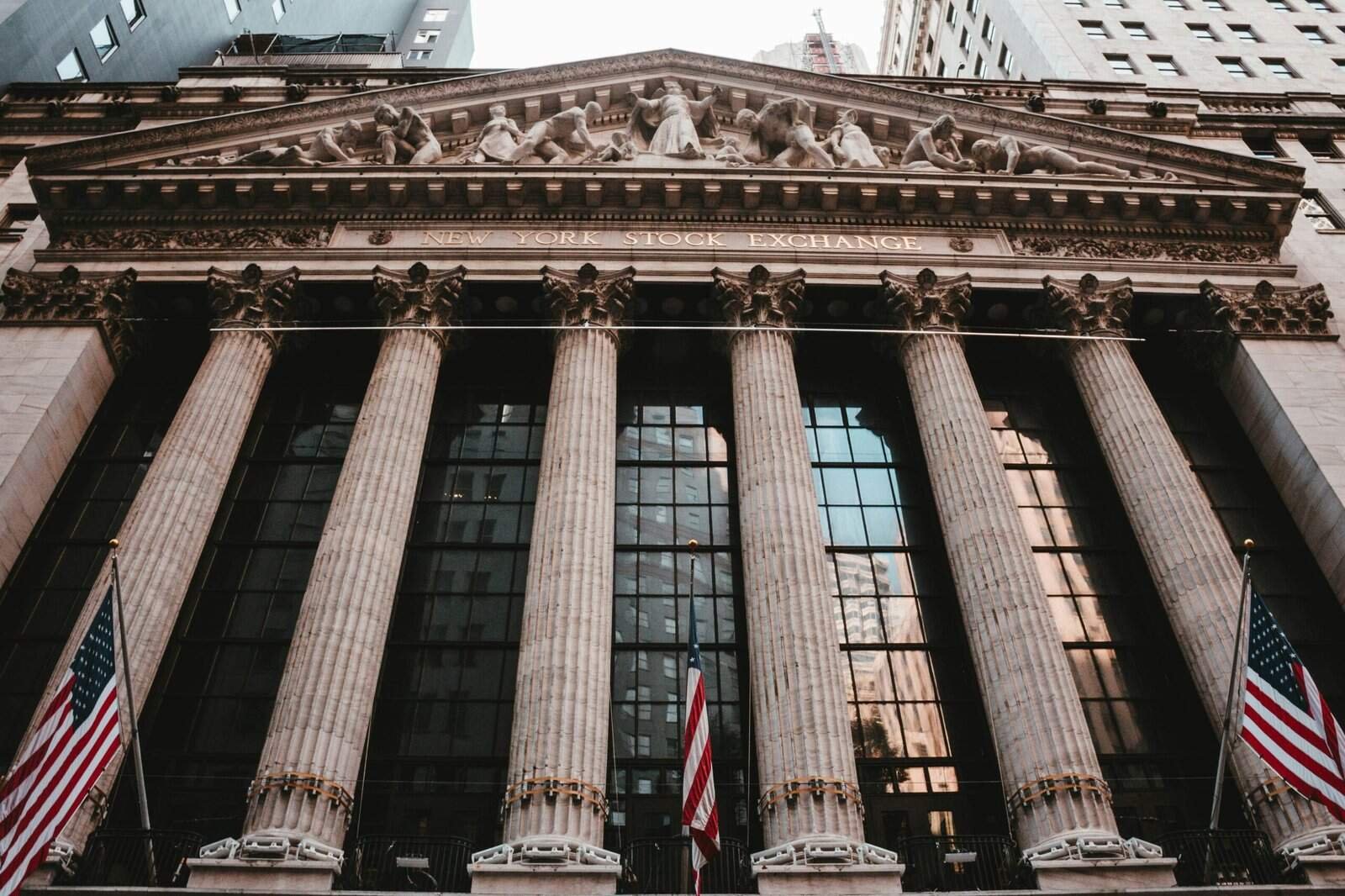
“You feel the room breathe when something like this happens,” said a senior floor trader at the NYSE who spoke on condition of anonymity. “People have been sitting on positions, waiting. When they see a path forward, you get a flurry of orders — and that’s what drove the volume today.”
Comparisons to past relief rallies
Relief rallies are not new. Similar patterns occurred during previous political impasses and macro scares: markets spike once a perceived headline threat diminishes, then reassess over the following days. The durability of such rallies historically depended on whether economic data and earnings corroborated the optimism. This time is likely no different.
Company-level spotlights (brief)
Apple: Strong hardware sales and growing services margins remain its backbone. Analysts will watch upcoming guidance for holiday-season projections.
Microsoft: Cloud and AI integrations continue to drive top-line resilience. Investors are focused on margin expansion and enterprise contract wins.
Nvidia: The company remains at the epicenter of AI chip demand; any positive analyst chatter tends to translate into outsized moves.
ESG and sustainability angle
Environmental, social and governance (ESG) investing remains on the sidelines during headline-driven sessions. However, longer-term flows into sustainable funds continued to trend upward this year, and a calmer political backdrop could help resume strategic allocations to renewable energy and green-technology firms.
In Short
- U.S. stocks rallied strongly as hopes grew for an end to the federal government shutdown.
- Nasdaq jumped roughly 440 points, S&P 500 rose ~1%, and Dow added ~250 points on Tuesday.
- Tech mega-caps powered the move; financials and consumer names also gained.
- Volatility eased but political and economic risks could quickly reshape sentiment.
Looking Ahead
Traders will watch for official confirmation of the funding deal and several key economic releases this week, including inflation measures and consumer confidence surveys. A formal agreement could extend the rally, while weak economic prints would likely reintroduce selling pressure. Investors should monitor earnings updates from major tech names and guidance for holiday-season demand.
📸 Instagram — “Traders react as Nasdaq surges over 440 points amid shutdown optimism.” (@nyseofficial)
Q & A
Sources: CNBC, Bloomberg, Reuters, The Wall Street Journal, Financial Times, MarketWatch, MorningEdge Analytics.











Leave a Reply