

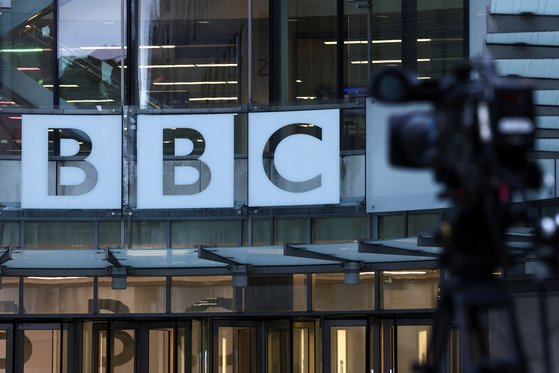
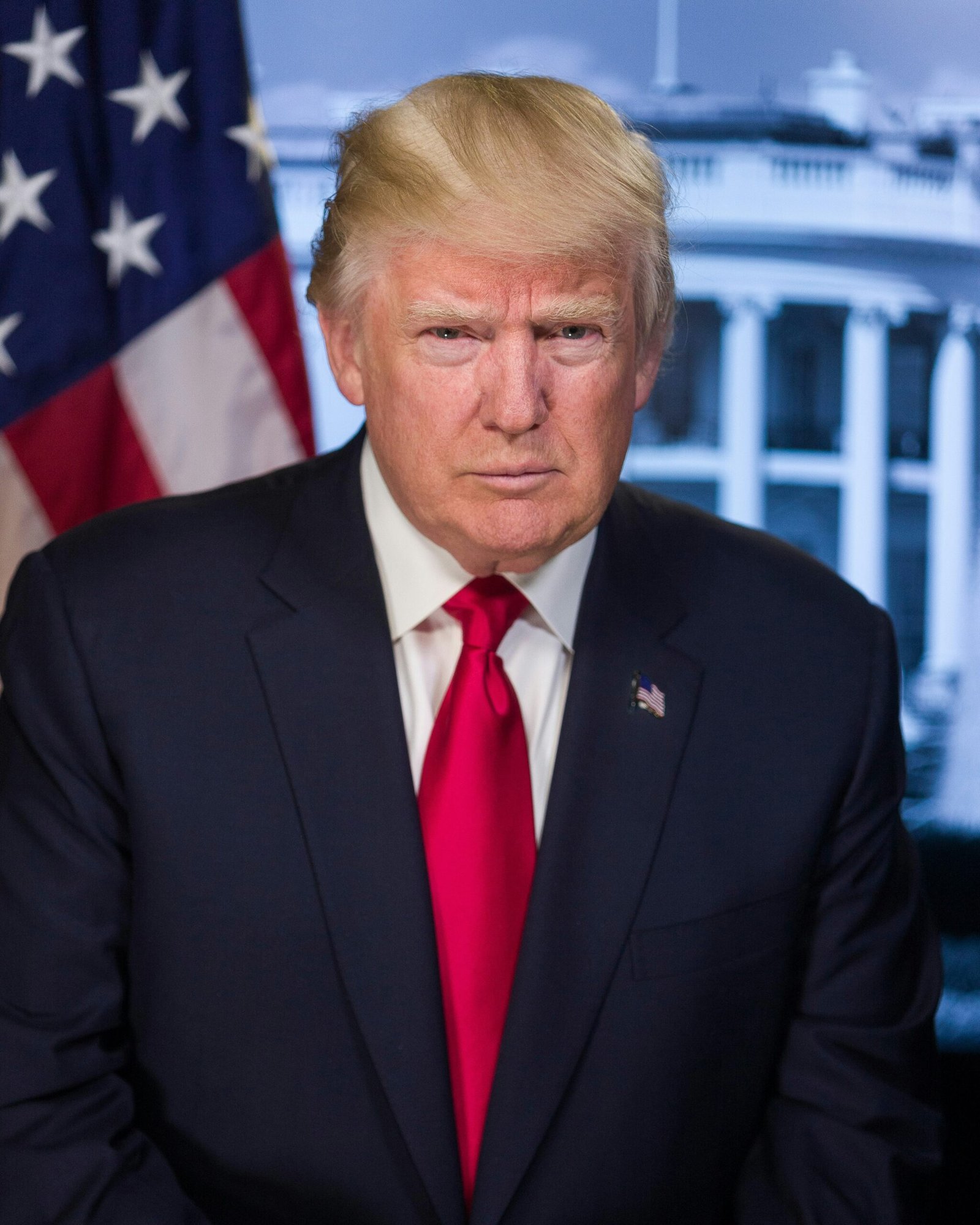
NEW YORK — Former President Donald J. Trump has threatened to file a $1 billion lawsuit against the BBC, alleging that an edited BBC broadcast distorted his January 6 remarks and misled viewers about his intentions. The claim has blown up into a high-profile confrontation between one of the world’s most prominent media organizations and one of America’s most polarizing political figures — a clash that raises questions about editorial practice, media accountability, and the legal thresholds for defamation and reputational damages across borders.
Over the last 48 hours the story evolved rapidly: the BBC acknowledged an editorial mistake, senior staff resignations were announced, lawyers exchanged public statements, and opinion pages and legal analysts began assessing whether the threat of damages has any realistic chance of succeeding. For readers, the core questions are simple: what exactly did the BBC broadcast, is there legal ground for a $1 billion claim, and what does this fight mean for journalism and free speech?
This article breaks the case down: the timeline of events, the alleged edit, what U.S. and U.K. law says about public-figure defamation, expert analysis on damages and jurisdiction, the likely next procedural steps, and how this episode might change newsroom practices. Along the way we include recorded reactions from political leaders, legal scholars and media-watch groups, and we surface what to watch next.
What happened — the short version
In a primetime BBC report, footage of a January 6 speech by Mr. Trump was presented with an editorial insert that — according to critics — created the impression that the former president directly urged violent action on that date. After immediate public outcry and internal review, BBC leadership acknowledged the edit created an “unjustifiable impression” and announced personnel changes in its newsroom leadership. Mr. Trump and his legal team quickly seized on the mistake and made a public demand for apologies and a $1 billion payment for reputational harm.
The BBC said the edit was an error and moved to contain the fallout; Mr. Trump’s team described it as a deliberate misrepresentation. Both sides have now escalated the exchange into legal and public relations maneuvers: lawyers for Mr. Trump have publicly outlined potential claims; the BBC has apologized and promised to correct its editorial processes; and media commentators on both sides are debating whether this is a legitimate legal fight or political theater.
How the broadcast allegedly altered the meaning
Critics say the key problem was not the mere airing of Mr. Trump’s speech, but the way the segment juxtaposed his words and video with editing choices and voiceover that suggested a causal link to subsequent violence. According to newsroom sources and media analysts, a short sequence in the program omitted context and used a cut that concentrated on a phrase in a way that, when paired with B-roll footage and commentary, created an impression inconsistent with the full record.
That kind of editing can be powerful. Even small cuts that change timing, exclude clarifying clauses, or change sequencing can shift meaning. News organizations traditionally rely on rigorous editorial review for such edits precisely because of the danger of misleading viewers. The BBC’s internal review conceded the edit gave an impression “we should not have created,” which is a significant admission in newsroom terms.
Legal foundations: is a $1 billion claim realistic?
Short answer: extremely unlikely to succeed as pled, but the threat alone carries real consequences.
There are several legal hurdles for Mr. Trump’s team. First, much depends on where a suit is filed. Libel and defamation law differ between the U.K. and the U.S. In the U.S., public figures must show that published false statements were made with “actual malice” — that is, knowledge of falsity or reckless disregard for the truth (per the landmark Supreme Court decision in New York Times Co. v. Sullivan). The U.K. has historically been more plaintiff-friendly, though reforms in recent years have narrowed the gap.
Second, the size of damages — $1 billion — must be tied to measurable reputational or financial loss. Courts generally require evidence that a defamatory statement caused quantifiable harm, such as lost business, income, or demonstrable diminution in reputation. For a public figure like Mr. Trump, who is already frequently in the public eye and often the subject of strong opinions, courts are cautious about awarding huge sums without clear causation.
Finally, cross-border jurisdiction and enforcement matter. If a suit is filed in the U.S., British broadcast decisions are protected by certain constitutional and civil-society norms. If filed in the U.K., the BBC is domiciled there and jurisdiction is straightforward — but the U.K. courts would still require plaintiffs to satisfy legal standards for defamation and damages. Experts we spoke to said a $1 billion award would be extraordinary and unprecedented in most libel contexts absent catastrophic, provable losses.
Expert view: legal scholars weigh in
Professor Elaine Morris, a media-law scholar at Columbia, cautioned against reading a threats letter as an immediate precursor to a successful billion-dollar judgment. “Litigation is often used as a political tool as much as a legal one,” she said. “Suing or threatening to sue creates a public pressure point and can force retractions, settlements, or reputational responses even when the underlying legal case is weak.”
Similarly, London-based barrister James Alwood told us: “The BBC’s admission of error is consequential. In the U.K. that admission can make a settlement more probable and may increase the leverage a claimant has. But the monetary quantum is a separate question — courts need evidence on damage. Injunctive relief or a substantial but not astronomical settlement is the more likely outcome.”
What damages would look like — and why $1 billion is eyebrow-raising
Historically, defamation awards of hundreds of millions of dollars are extremely rare. When they occur, they typically involve proof of large financial loss — for instance, a company losing significant contracts — or extraordinary personal reputational losses that directly translate into measurable harm (lost earnings, business collapse, etc.).
For a political figure who already courts controversy, courts are hesitant to treat routine media criticism as the basis for massive monetary awards. That said, the strategic value of the billion-dollar figure is not only legal; it also functions as a political signal: it frames the issue as serious and forces media organizations and their boards to respond publicly and swiftly, as happened here when BBC leadership chose to acknowledge the error and promise internal reviews.
BBC’s response and internal fallout
The BBC’s formal statement acknowledged a mistake in the editorial process and expressed regret for the impression the segment created. The organization announced an internal review and placed accountability at senior editorial levels. In tightly structured public broadcasters, public apologies and leadership changes are common PR responses designed to demonstrate accountability and restore trust.
One immediate consequence was a wave of commentary about newsroom culture, editorial oversight, and the speed of modern news cycles. Critics of the BBC seized on the error to argue the broadcaster had become sloppy in the era of rapid, attention-driven reporting. Defenders — including many former BBC journalists — argued that a single editorial lapse, while serious, does not erase the overall journalistic record of the corporation.
Political reactions in the U.S.
Reactions across the political spectrum were predictably polarized. Supporters of Mr. Trump applauded his decision to pursue legal action, framing it as a stand against hostile media coverage and alleged bias. Detractors warned that a high-profile lawsuit — even if ultimately unsuccessful — could be used to chill reporting and prompt over-correction in newsrooms wary of legal entanglements.
Several Republican lawmakers praised Mr. Trump’s stance as a necessary defense of free speech against biased outlets, while many Democrats expressed concern about the optics of suing a major public broadcaster and the potential precedent that could encourage political actors to use litigation as a cudgel against critical reporting.
International implications and U.K. response
The dispute quickly caught the attention of U.K. regulatory authorities and media-watch organizations. British press regulators monitor such episodes closely; while the BBC is publicly funded and editorially independent, it is also sensitive to public trust and political pressure. U.K. regulators and parliamentary figures pressed the BBC to explain editorial breakdowns and to demonstrate steps to prevent similar errors.
Legal scholars note an added wrinkle: because the BBC is funded in part through a license fee and serves a public mandate, the political stakes for the broadcaster are higher than for many commercial outlets. A sustained public perception of carelessness could erode support for funding models and prompt parliamentary scrutiny.
Why leaders resigned — and why that matters
The immediate resignations of senior editorial staff — a rare public consequence at such a scale — signaled the seriousness with which the BBC treated the episode. Resignations serve multiple functions: they are a symbolic gesture of accountability, a move to protect the institution’s broader credibility, and a signal to regulators and the public that the organization recognizes a lapse and is taking remedial action.
For readers, the staffing changes matter because they can lead to new editorial oversight, revised checklists for broadcast edits, and more conservative approaches to contextualizing sensitive footage in the future. Critics say those shifts may reduce risk but could also make broadcasters more cautious and less willing to present contentious material in a nuanced way.
How courts evaluate context and intent
When libel or defamation claims hinge on editing and context, courts analyze the “impression” a reasonably informed viewer would have taken from the broadcast. That includes editing choices, voiceover, sequencing, captioning, and accompanying imagery. If an edit materially changes meaning, a court may deem the broadcaster negligent or reckless depending on the standards of the jurisdiction.
However, proving “actual malice” in the U.S. — that the broadcaster knew the edit was false or acted with reckless disregard — is a high bar for public-figure plaintiffs. In the U.K., a plaintiff may have an easier route if the defendant cannot prove the substantial truth of the allegation. Yet even there, judges are cautious about awarding extreme damages without demonstrable evidence of lasting harm.
Possible legal paths and procedural next steps
Analysts expect several likely moves in the coming days: Mr. Trump’s lawyers may send a formal pre-action letter outlining claims and demanded remedies (apology, retraction, damages). That is often followed by offers to negotiate. If negotiations fail, a suit could be filed in either the U.K. or U.S. jurisdiction depending on strategic preferences — plaintiffs often choose the forum perceived to be more favorable.
Given the BBC’s public posture and the political sensitivity, a negotiated settlement — including a clarified apology and a financial settlement smaller than the headline demand — is a plausible early outcome. If the case proceeds to litigation, it could take months or years and would likely generate continued public attention and appellate litigation over jurisdictional questions.
Media-watch groups and standards organizations weigh in
Nonprofit media watchdogs called for a clear, transparent explanation of the editorial breakdown and for the BBC to publish the results of its internal review. Some urged reforms such as more rigorous pre-broadcast checks, editorial training on context and sequencing, and clearer on-air corrections when errors occur.
Others cautioned against overreaction. “Mistakes happen in newsrooms,” said the director of one press-freedom group. “What matters is a robust, transparent corrective process that demonstrates learning and accountability.” The line between holding outlets responsible and eroding the space for rigorous investigative reporting is thin, they warned.
Practical effects for audiences and broadcasters
For audiences, the episode is a reminder of how editing can subtly reshape perception and why consumers should seek full recordings and primary sources when possible. For broadcasters, the case raises the costs of rushed editorial decisions and highlights the value of clear documentation of editorial choices to defend against legal claims.
Some newsrooms may now add extra layers of review for sensitive material, slow down the publication process for contentious segments, or provide clearer on-air context to mitigate misinterpretation. All of these steps can protect credibility but may also slow down the reporting cycle.
What to watch next
- Whether Mr. Trump’s team files suit and in which jurisdiction.
- The BBC’s published findings from its internal review and any policy changes it announces.
- Statements from regulators in the U.K. or parliamentary inquiries that may follow.
- Any settlements or formal apologies that could resolve the dispute quickly.
- Potential ripple effects as other news organizations reassess editorial checks.
Voices from the newsroom and legal community
“This is a test for modern journalism,” said veteran editor Amanda Reid. “We must ensure that speed does not trump accuracy. The BBC’s credibility is its currency, and restoring trust will take more than a statement.”
Legal counsel to media organizations point out that even weak legal claims can pressure organizations to settle because the cost of defending high-profile litigation — legal fees, management time, and reputational risk — is often greater than settling, even when the claim is uncertain. “A large demand can be a negotiating tactic,” said one partner at a leading media law firm. “It forces decisions fast.”
Political theatre or legal strategy?
Some commentators view the $1 billion figure as largely symbolic — an attention-grabbing number designed to force public institutions to answer and to rally political supporters. Others see a longer-term strategic calculation: a sustained legal campaign can impose costs on media organizations, compel public responses, and shape how future outlets cover high-profile figures.
Which interpretation is correct may depend on what Mr. Trump’s legal team seeks beyond money: a public apology, procedural reforms at the BBC, and a narrative win that reframes coverage as biased. Litigation can be a tool for all of those outcomes.
Historical parallels
There are historical precedents where public figures used litigation to challenge media organizations — sometimes succeeding, sometimes prompting settlements. These cases often shift newsroom behavior for years: editorial checklists are tightened, clearer on-air corrections are adopted, and legal teams become more closely integrated with editorial decision-making.
But those shifts also carry costs: increased legal caution can dampen aggressive investigative reporting and slow the pace at which critical information reaches the public. The balance between accountability and a free press is a persistent tension in democratic societies.
Possible settlement scenarios
Experts map three broad settlement possibilities:
- Public apology + modest damages — a public statement acknowledging the editorial error and a payment that recognizes reputational harm but is well below the headline demand.
- Apology + process reforms — a non-monetary settlement focused on editorial policy changes, independent review, and transparency measures.
- Full litigation — a court battle that could test jurisdictional questions and editorial standards but would be lengthy and unpredictable.
Given the BBC’s quick admission and public apology, the first two outcomes are more likely in the near term. But politics and symbolism may push the parties toward a prolonged fight.
What this means for NewsSparq readers
For readers of NewsSparq, the episode is a useful case study in media literacy. It underscores that:
- Edits matter: small changes can shift meaning.
- Public figures have legal avenues but high thresholds for success in certain jurisdictions.
- Apologies and leadership changes do not always satisfy claimants; sometimes demands are strategic.
- Follow-up reporting — including the publication of full, unedited clips — is essential for independent verification.
How to verify and follow the story
We recommend readers:
- Seek the full, unedited recording of the speech in question (primary source).
- Read the BBC’s public statement and the exact wording of any pre-action legal letters (when available).
- Follow authoritative legal commentary from recognized media-law scholars and organizations.
- Watch for regulator statements from Ofcom or parliamentary hearings that may provide additional findings.
Longer-term stakes: press freedom vs. accountability
The central tension here is real: media outlets must be held accountable for mistakes, but the remedy should not be weaponized to chill legitimate reporting. A healthy press depends on both editorial responsibility and the ability to investigate and compute complex narratives without fear of disproportionate legal retaliation.
This episode will likely intensify conversations about editorial transparency, corrections policy, and the responsibilities of legacy broadcasters in a digital era of clip-sharing and fast commentary. It may also prompt conversations in newsrooms worldwide about best practices for contextualizing archival footage in contemporary reporting.
Takeaway
Donald Trump’s $1 billion threat to sue the BBC is headline-grabbing and strategically powerful as a public move, but legal experts caution that the monetary figure is unlikely to be awarded without clear evidence of enormous, provable harm. The more immediate impact — the BBC’s apology, internal changes, and public scrutiny — is already shaping the narrative. Expect more editorial clarifications from the BBC, possible pre-action letters from Mr. Trump’s lawyers, and careful media-watching by regulators and press freedom groups. For now, the story is less about a single dollar figure than about how media organizations respond to errors, how public figures wield legal tools, and what safeguards are necessary to keep robust reporting and public accountability in balance.
In Short :
- Donald Trump has threatened a $1 billion lawsuit against the BBC after an edited broadcast was judged to have created a misleading impression of his January 6 speech.
- The BBC admitted an editorial error, announced internal reviews and senior-level accountability steps.
- Legal experts say a $1 billion award is unlikely without demonstrable, quantifiable damage — but the threat has political and reputational power.
- Likely near-term outcomes include a public apology, possible settlement, or editorial reforms; full litigation remains a longer, uncertain path.
Q&A : Understanding the BBC Lawsuit Threat
Q1. What exactly did the BBC do that prompted the threat?
The BBC broadcast an edited segment that, according to critics and the BBC’s own review, created an impression inconsistent with the full context of Mr. Trump’s January 6 remarks. The broadcast paired certain footage and voiceover in a way that suggested a direct call for violence.
Q2. Is $1 billion a normal amount for defamation claims?
No. Awards of that magnitude are extremely rare and generally require clear evidence of massive, quantifiable harm. Often such headline figures are negotiation starting points or political signals rather than precise legal calculations.
Q3. Where would this case be filed?
The suit could be filed in the U.K., where the BBC is based, or in the U.S. if jurisdictional grounds exist. The choice of forum affects legal standards and remedies.
Q4. Does a broadcaster apology mean the case is over?
Not necessarily. An apology can reduce the likelihood of protracted litigation and is often part of settlement discussions, but claimants can still pursue legal remedies if they feel harms are not adequately addressed.
Q5. Could this case change how news is reported?
Yes. Newsrooms may adopt stricter editorial checks to mitigate legal risk and reputation damage. That could improve accuracy but also slow down certain kinds of live or rapid reporting.
Q6. How can I verify what was actually said?
Seek out the primary, unedited recording of the remarks and compare it directly with the edited broadcast. Reliable outlets and public archives may publish full footage for public review.
Q7. Will this affect public funding or regulation of the BBC?
It could prompt parliamentary scrutiny or calls for reforms if public trust erodes significantly. But a single error alone rarely triggers immediate funding changes without broader political momentum.
Q8. When will we know the outcome?
If the parties negotiate, there may be a quick settlement in days to weeks. If litigation is filed, the case could take months or years to resolve fully.
Sources: Reuters, Associated Press, BBC public statements, legal analysis from media-law scholars, and NewsSparq editorial reporting.










Leave a Reply