

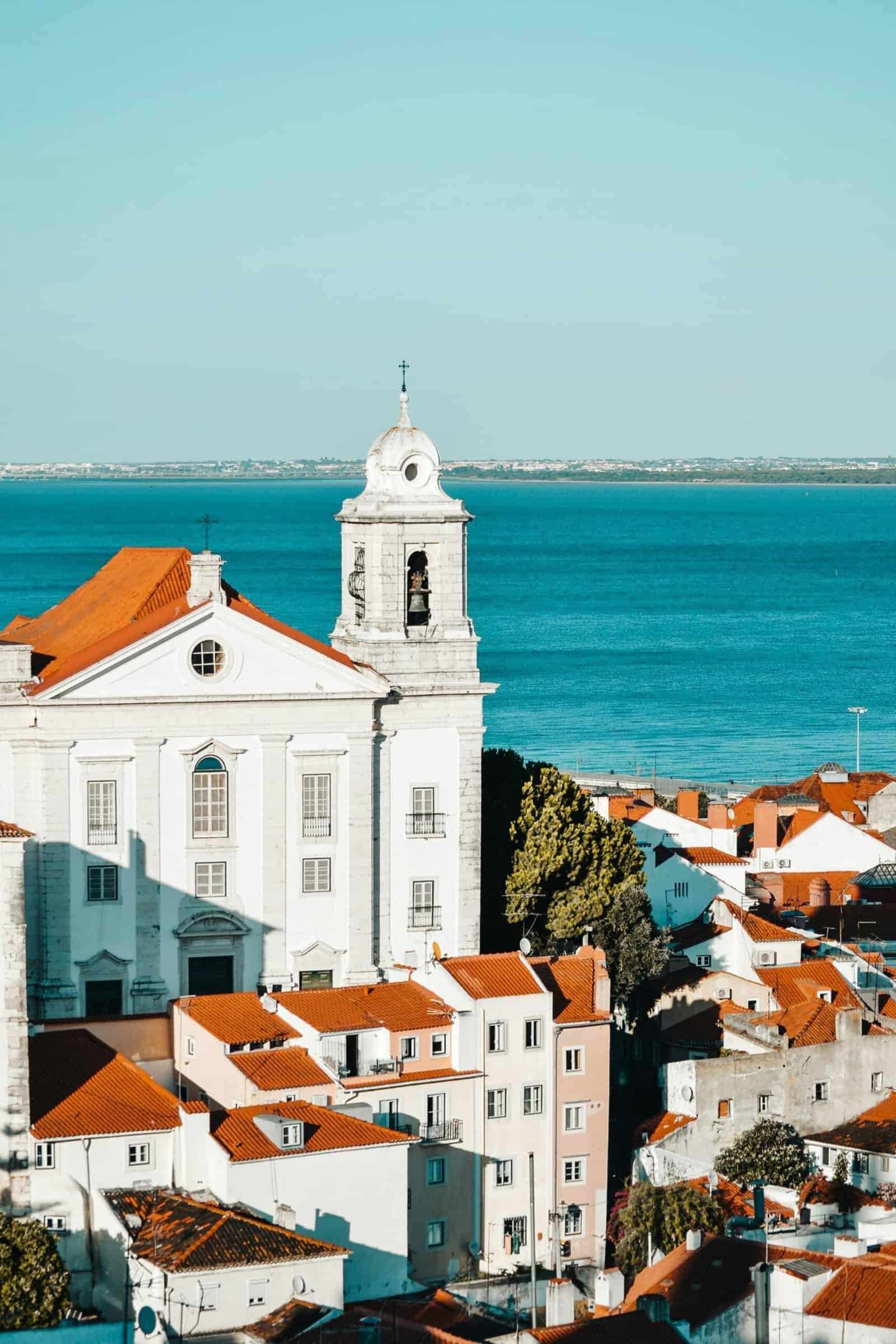
Portugal’s Golden Visa reform marks a historic shift in the balance between economic opportunity and social fairness. The government’s decision to extend the citizenship eligibility period from five to ten years has redefined the country’s approach to investment migration — and the ripple effects are being felt across Europe.
For over a decade, Portugal was celebrated as a model for post-crisis recovery. Its investor-residency program drew billions of euros and thousands of high-net-worth individuals. But by 2025, the very success of that policy had sparked a housing crisis, widening inequality, and mounting EU scrutiny. The reform is Lisbon’s bold response to those pressures — and a signal that the “passport economy” era may be ending.
The rise of Europe’s most popular visa
Launched in 2012, Portugal’s Golden Visa offered non-EU citizens residency in exchange for investments in real estate, business, or culture. It was an immediate hit. From 2013 to 2024, more than 12,000 investors participated, bringing in over €6 billion. Lisbon and Porto’s neglected buildings turned into luxury apartments, and small coastal towns saw new life as international property buyers poured in.
But for many Portuguese citizens, that boom came at a personal cost. Housing prices doubled within a decade, forcing middle-class families to relocate to the suburbs. “Our cities became investment zones, not living spaces,” says Lisbon schoolteacher João Pereira. “It felt like we were losing our home.”
Brussels steps in
The European Union had long questioned the ethics of investor-citizenship programs, warning that they could be exploited for money laundering or tax evasion. By 2024, the European Commission began pushing for standardized transparency measures across the bloc. After scandals in Cyprus and Malta, Lisbon knew reform was inevitable.
Prime Minister António Costa announced the new 10-year rule in October 2025, saying the move would “align Portugal with European integrity standards while protecting its social fabric.”
Investor reactions: shock and recalibration
The decision blindsided global investors, particularly from India, China, and Brazil, who had structured five-year financial plans around the previous rule. “For many, it changes the entire equation,” says migration consultant Meera Patel in Dubai. “Ten years is a very long horizon.”
Developers, too, are adjusting. Lisbon real-estate agencies report a 25% drop in luxury property inquiries since the announcement. Yet, analysts say the cooling market could restore affordability. “This is a correction, not a collapse,” explains economist Luís Tavares. “For the first time in years, local families may stand a chance.”
Watch: Portugal’s Golden Visa changes explained
If the video doesn’t load, watch directly on YouTube.
The new 10-year pathway
Under the new framework, investors will still receive Portuguese residency rights after meeting financial requirements, but citizenship eligibility now requires ten years of continuous residence, proof of tax compliance, and proficiency in the Portuguese language. Applicants must demonstrate “genuine ties” to the country through community involvement or local business activity.
Officials also announced increased oversight of real-estate purchases and financial transfers. All qualifying investments must pass EU anti-money-laundering checks before approval. “The message is clear — citizenship is a privilege earned through trust and transparency,” said Deputy Minister Ana Fonseca.
Economic effects and housing balance
Economists expect short-term turbulence but predict the market will stabilize by 2027. “The reform will squeeze speculative investment but encourage sustainable growth,” says policy analyst Rui Mendes. “It’s about quality over quantity.”
Portugal’s Ministry of Economy is developing a “Green Residency” initiative to replace real-estate-focused investment with funding for renewable energy, startups, and education. “We want investment that builds a future, not just buildings,” Fonseca added.
Voices from Lisbon’s streets
Across Lisbon’s Alfama and Mouraria districts, the reaction has been emotional. Shopkeepers welcome the change, saying local life is returning. “Foreign investors bought everything,” says café owner Teresa Carvalho. “Now I see Portuguese families again.”
But others remain cautious. Tourism workers fear job losses, and real-estate agents warn of over-regulation. “If bureaucracy goes too far, we risk scaring away good investors,” said broker Rui Santos.
Instagram glimpse: life in post-reform Lisbon
data-instgrm-permalink="https://www.instagram.com/p/DQEbE_fD2XX/" data-instgrm-version="14">
View this post on Instagram
Europe follows Portugal’s lead
Portugal’s move is influencing other European nations. Ireland has ended its immigrant investor program, Greece has raised its minimum threshold for property investment, and Spain is preparing to tighten regulations. “The message from Europe is clear — migration must have moral value,” said EU commissioner Henrik Olsen.
Analysts predict that by 2026, most EU countries will require longer residency or cultural integration before citizenship. “Portugal’s policy may become the European template,” Olsen added.
Global contrasts
Outside Europe, investor migration remains strong. The United Arab Emirates, Turkey, and several Caribbean states continue to offer citizenship in under a year. However, experts note that Europe’s reputation for stability, healthcare, and education keeps it attractive for families seeking generational security.
“Portugal may lose fast money, but it gains credibility,” said investment strategist Tomás Vieira. “And credibility lasts longer than cash.”
Public opinion and generational divide
Polling by the Lisbon Institute for Social Research shows that 63% of citizens support the reform, especially younger voters who prioritize affordable housing. “We grew up watching our parents evicted for tourist apartments,” said university student Beatriz Lopes. “This gives us hope.”
Still, older business owners fear reduced economic momentum. “We cannot build walls around opportunity,” said hotelier Carlos Nogueira. “Foreigners helped Portugal recover once — we must not forget that.”
In Short
🧾 In Short:
- Portugal doubles the Golden Visa citizenship waiting period from 5 to 10 years.
- EU pressure and housing inequality prompted the reform.
- Investors must maintain continuous residence and tax compliance for a decade.
- Luxury real-estate demand falls, but sustainable sectors gain attention.
- Public opinion supports fairness over fast-track investment.











Leave a Reply