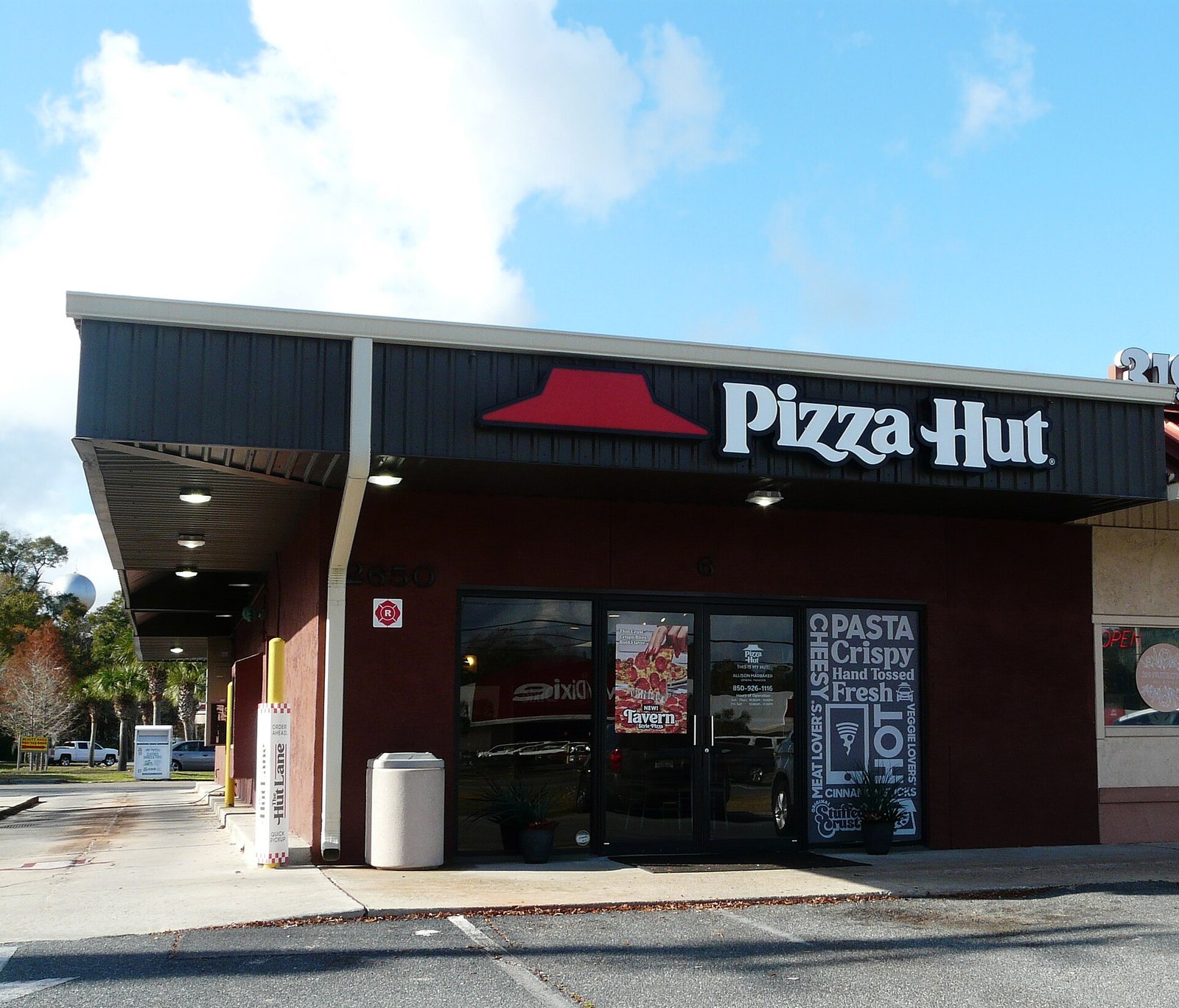
There is a particular kind of corporate news that feels less like a deal and more like a divorce. Yum Brands selling off Pizza Hut is one of those. The company that grew up on stuffed crust is letting go of the brand that helped build it, and the price tells you how far the relationship had soured.
Yum is selling Pizza Hut for about $2.7 billion in combined deals, and the structure of the sale is as revealing as the number.
The deal in plain numbers
Per CNBC, Pizza Hut outside mainland China is being acquired by private equity firm LongRange Capital for $1.5 billion, while Pizza Hut in mainland China goes to Yum China Holdings for roughly $1.2 billion. Across both, Yum expects to net about $2.3 billion after taxes and fees, with a possible earnout of up to $75 million by 2030.
Per the company’s own investor announcement, the sales are expected to close in the third quarter, subject to regulatory approval. In plain English, Yum is keeping KFC and Taco Bell and cutting Pizza Hut loose.
Why a giant sells its own famous brand
The number that explains everything is not the price. It is the track record. Pizza Hut has reported declining US comparable sales for ten straight quarters, and it generated only about 12 percent of Yum’s revenue in 2025 while dragging on the company’s overall performance.
Ten straight quarters of falling sales is not a slump. It is a trend. At some point a parent company stops trying to fix the struggling child and decides everyone is better off apart. That is what $2.7 billion buys here: a clean exit from a brand that had become an anchor.
What the buyers see that Yum did not
This is where it gets interesting. LongRange Capital, the private equity buyer, is paying real money for a brand Yum was happy to offload. Private equity firms do that when they believe a tired business can be turned around outside the constraints of a big corporate parent.
Per QSR Magazine, LongRange describes itself as operationally focused, which is the polite way of saying it intends to roll up its sleeves on stores, menu, and franchisees. A focused owner with one brand to obsess over can sometimes do what a sprawling parent juggling three could not. Sometimes. The graveyard of private equity restaurant turnarounds is also well populated.
The China split is its own strategy
Splitting the deal so that Yum China takes the mainland operation is not an accident. China is a distinct market with its own competitive dynamics, and Yum China already runs the region’s KFC and Pizza Hut locations under a separate, locally listed company.
Handing mainland Pizza Hut to the operator that already knows that market, while letting a US private equity firm take the rest, is a tidy way to put each piece of the brand in the hands best suited to run it. It is a more sophisticated breakup than a single buyer would have allowed.
What it means for the pizza you order
For customers, the changes will be gradual rather than overnight. New ownership usually means a fresh look at the menu, the app, the deals, and the store footprint. Some locations may close. Others may get refreshed. The brand name on the box stays the same. The company behind it does not.
The bigger picture is a fiercely competitive pizza market where Pizza Hut has been losing ground to rivals for years. Whether a focused new owner can reverse that is the real question, and the answer will take far longer than the deal did.
Selling a famous brand is what you do when the math stops working, and franchise pizza is a brutal math problem. Margins are thin, delivery apps take their cut, and a tired brand competing against sharper rivals bleeds value slowly until a buyer who thinks they can run it leaner is the best exit left. Private equity buys exactly these situations: a known name, a struggling operation, and a belief that cost cuts and a refresh can wring out returns the previous owner could not. For Yum, letting Pizza Hut go is not surrender so much as an admission that its energy is better spent on the brands still winning.
Why This Matters
This sale is a data point about the brutal economics of legacy fast food. Even a famous, globally recognized brand is not safe if the sales keep sliding. Yum just demonstrated that a storied name is only worth keeping if it earns its place, and Pizza Hut had stopped earning its place inside the portfolio.
For the broader industry, it is a reminder that nostalgia does not pay the rent. Consumers have endless options, loyalty is thin, and a brand that coasts on its history rather than its food eventually becomes someone else’s turnaround project. That is now Pizza Hut’s status, for better or worse.
The NewsSparq Takeaway
Three things to hold onto.
One, ten straight down quarters forced this. The sale was not opportunism. It was a parent company cutting an anchor that had dragged for two and a half years.
Two, the split is smart. Sending mainland China to Yum China and the rest to focused private equity puts each piece with the owner best able to run it.
Three, the turnaround is unproven. LongRange is betting a tired brand can be revived outside a corporate giant. History says that is possible and far from guaranteed.
Yum kept its winners and sold its struggler, and walked away with $2.3 billion and a lighter load. Whether Pizza Hut thrives in its new home or becomes a cautionary tale is now somebody else’s story to write.
Sources: CNBC, Yum Brands Investors, QSR Magazine.
By The NewsSparq Editorial Desk
Related Stories From NewsSparq
- Amazon Just Borrowed $31 Billion in 48 Hours, and It Tells You the AI Boom Has Changed
- China Is Cutting Off Rare Earth Exports to US Defense Companies. This Is the Real Trade War.
- An American Food Giant Just Bought the Company Behind Splenda for $3.6 Billion, and Ozempic Is the Reason
- Silicon Valley Just Bankrolled Americas First Offensive Cyber Warfare Startup at a $1 Billion Valuation