When two of the largest technology companies on earth raise prices in the same week and point to the exact same cause, it stops being a company story and becomes an economy story. That is what happened on Thursday. Apple raised prices. Microsoft raised prices. And both blamed the same shortage.
The cause is not a tariff or a labor cost or a supply-chain snarl in the usual sense. It is memory chips, the storage and RAM inside your devices, and the reason they are suddenly scarce is the AI boom itself.
Here is what is happening to prices, and why it is unlikely to reverse soon.
Apple Microsoft: What Apple did
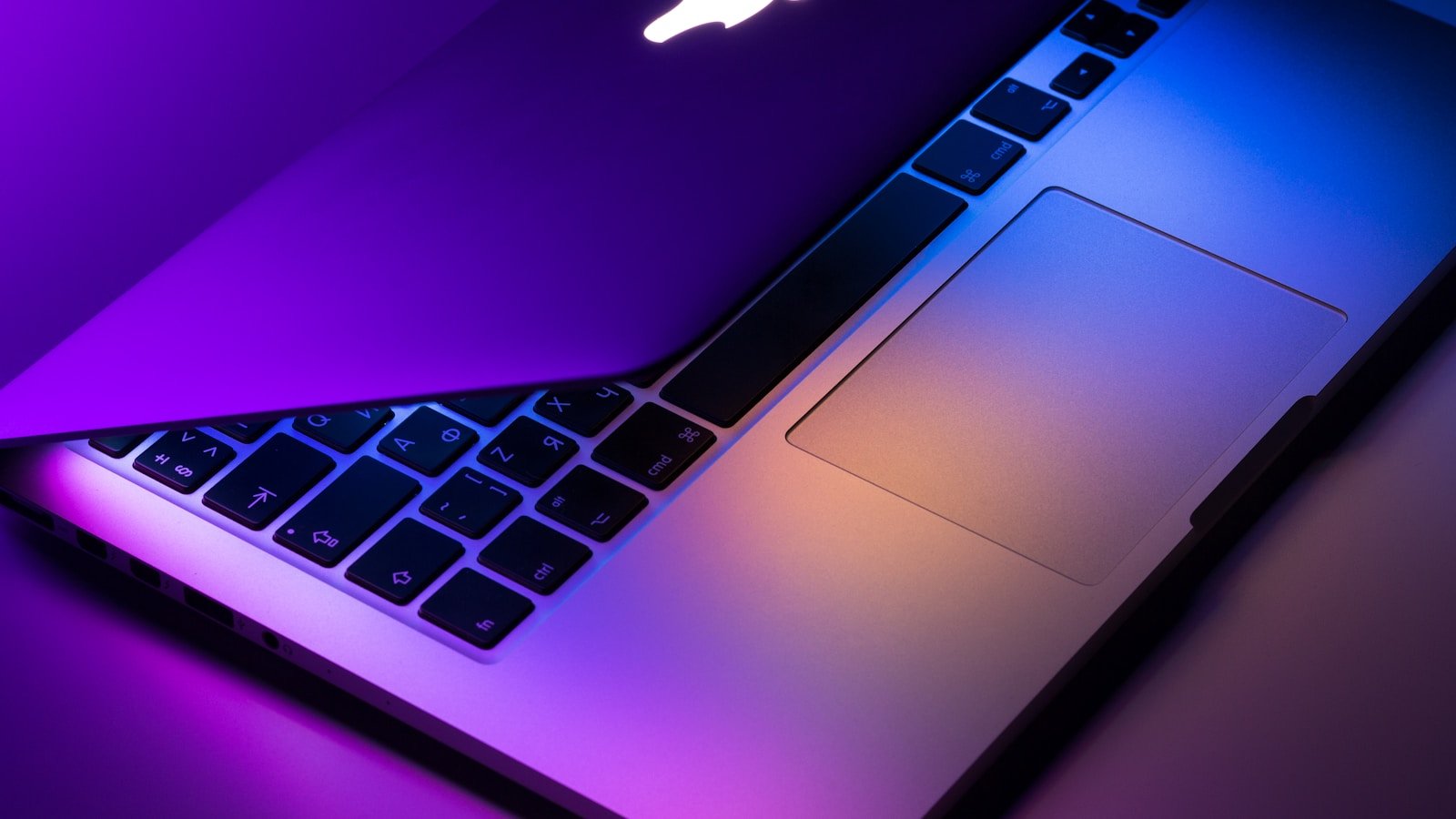
Apple announced it will raise the prices of certain MacBooks and iPads by up to $300, CBS News reported. The increase covers 14 products. Notably, Apple did not raise iPhone, Apple Watch or AirPods prices, but it hinted that more price adjustments to additional products could come in the future, MacRumors reported.
That ‘more could come’ caveat is the part consumers should sit with. Apple raising Mac and iPad prices is the opening move, not necessarily the whole move. The company left the door open to touching its highest-volume products, including the iPhone, if the underlying pressure continues.
What Microsoft did
Microsoft announced it would increase the prices of its Xbox consoles starting August 1. Same week, same direction, same stated reason. Both companies cite the rising cost of semiconductors used for storage and memory in electronic devices, including computers and video game consoles.
When the reason is identical across two competitors in different product categories, it confirms this is not a strategic pricing choice by either company. It is a cost shock flowing through the entire hardware industry, and these two just happened to pass it to consumers in the same week.
The AI connection
Here is the mechanism. The announcements come as the rapid expansion of AI data centers heightens demand for computing power, exacerbating a chip shortage, CBC News reported. AI systems are voracious consumers of memory. The data centers being built to train and run AI models are buying up enormous quantities of the same memory chips that go into consumer laptops, tablets and consoles.
That demand has collided with finite supply. The result is a squeeze that pushes up the price of memory for everyone, and the companies that build consumer devices are now passing that cost along. The AI boom that has driven so much of the stock market’s gains is now showing up directly in the price of a MacBook.
The numbers behind the shortage
The scale of the price moves in the memory market itself is staggering. Prices of dynamic random access memory rose as much as 98 percent in the first quarter of 2026 and are set to jump by another 58 to 63 percent in the current quarter, according to industry tracker TrendForce, per Bloomberg. A near doubling in one quarter, followed by another sharp rise in the next, is the kind of input cost increase no hardware maker can absorb indefinitely.
International Data Corporation called the memory market an ‘unprecedented inflection point’ and predicted the chip shortage could last well into 2027. Memory chip supplier Micron expects the shortage to last through 2027 as well. That means elevated prices could be the norm for another year and a half or longer.
What it means for your wallet
The practical takeaway for consumers is that hardware is getting more expensive and is likely to stay that way for a while. If you were planning to buy a new laptop, tablet or game console, the price you see now may be lower than the price you see in six months. The shortage has a forecast end, but that end is more than a year out, and the pressure is still building, not easing.
There is a broader economic signal here too. Memory price inflation feeds into the cost of nearly every electronic device, which feeds into consumer prices generally. At a time when the Federal Reserve is already holding rates because inflation has not fully cooled, a fresh source of price pressure in a major consumer category is not a welcome development.
Why This Matters
This is the AI boom arriving at the consumer’s doorstep in the most direct way possible: a higher price tag. For two years, AI has been an abstraction for most people, a thing happening in data centers and stock charts. Now it is a $300 increase on a MacBook and a more expensive Xbox. The connection between the technology revolution and the household budget has become concrete.
It also illustrates a tension at the center of the AI economy. The enormous investment in AI infrastructure is creating real demand shocks in physical supply chains, and those shocks land on ordinary buyers. The same boom lifting tech valuations is raising the cost of the devices people use every day, and that bill is now coming due at the checkout.
The NewsSparq Takeaway
Three things to hold onto.
One, two competitors, one cause, means it is structural. Apple and Microsoft raising prices in the same week for the same reason confirms this is an industry-wide cost shock, not a company-specific choice. Expect other hardware makers to follow.
Two, the AI boom is the root cause. Data center demand for memory chips is squeezing the supply that consumer devices depend on. The technology story and the price story are the same story now.
Three, this is not a quick fix. TrendForce, IDC and Micron all point to a shortage lasting into 2027. Elevated device prices are likely to be the reality for the next year and a half, not a passing blip.
Apple raised prices. Microsoft raised prices. The reason is sitting inside every AI data center being built right now, quietly consuming the world’s supply of memory. The AI era has a price tag, and it just landed on the shelf.
Sources: CBS News, CBC News, Bloomberg, MacRumors.
By The NewsSparq Editorial Desk
Related Stories From NewsSparq
- Apple Spent Years Promising to Keep Your Data Private. Now Its New Siri Runs on Google and Nvidia.
- An American Food Giant Just Bought the Company Behind Splenda for $3.6 Billion, and Ozempic Is the Reason
- Ukraine Just Hit a Gas Plant 750 Miles Inside Russia. The Front Line Is Everywhere Now.
- Americas CEOs Just Lost Their Confidence, and a Third of Them Are Planning Layoffs