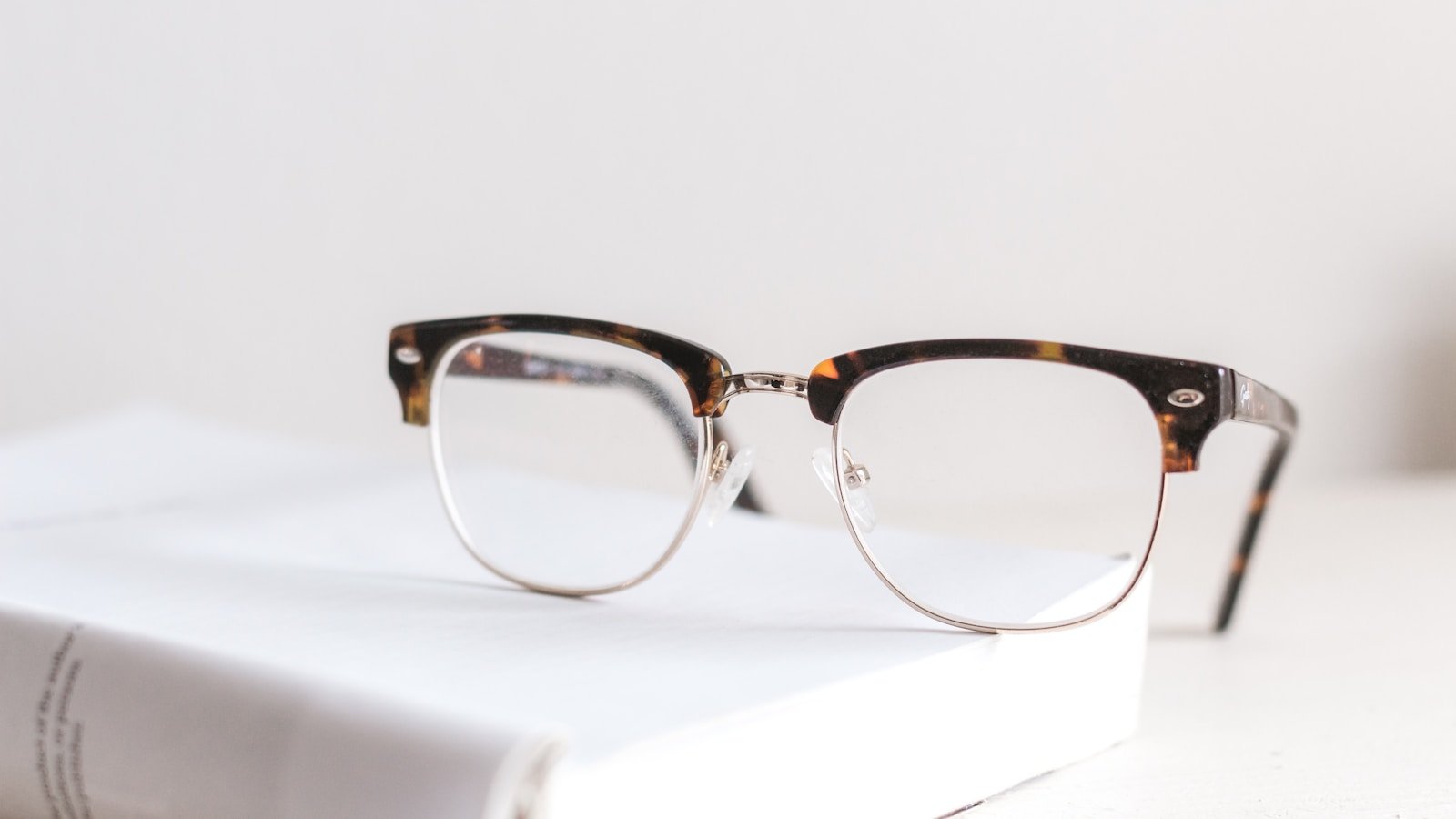
The hottest hardware category of 2026 just minted a new unicorn, and it got there by leaving out the one component everyone else is racing to add. Even Realities, a three-year-old smart-glasses maker, raised $150 million at a $1 billion valuation in a round led by Meituan and existing backer Tencent, TechCrunch reported.
The missing component is the camera. While Meta builds Ray-Bans that watch the world, Even Realities is betting that a lot of people want smart glasses that cannot record them or anyone else.
Here is the company, the bet, and why investors just valued the no-camera idea at a billion dollars.
Realities Smart: Who built it
Even Realities is a Shenzhen-headquartered startup founded in 2023 by former Apple engineers. CEO Will Wang previously worked on the Apple Watch and iPhone, and the founding team pulls from tech and from luxury eyewear maker Lindberg, a combination aimed squarely at making a computer you would actually wear on your face all day, The Next Web reported.
The new round brings total funding to $159 million, on top of a prior Series A backed by investors including HSG, the firm formerly known as Sequoia China, per Road to VR.
The camera-free bet
The flagship product, the Even G2, launched in November 2025 with no camera and no recording hardware. Instead it delivers notifications, navigation and live translation through binocular monochrome-green heads-up displays built into the lenses, controlled by a companion smart ring called the Even R1 that also handles health tracking.
That is a deliberate philosophical choice, not a cost cut. The company is wagering that display-first, privacy-by-design glasses will age better than camera-first ones as the public grows wary of being filmed by strangers’ eyewear. Wang told TechCrunch that smart glasses are probably the most personal computing device people will ever wear, and leaned hard on encrypted data and privacy as the selling point.
The numbers that convinced investors
This is not a science project burning cash. Even Realities operates profitably despite premium pricing, with frames starting at $599 and typical orders landing near $1,000 once prescription lenses and the ring are added. It was the first in its category to sell more than 10,000 pairs, and its headcount has grown roughly tenfold, from around 30 to 40 people in 2024 to several hundred today.
Its geography is the surprise. The United States is its fastest-growing market at more than half of all users, followed by Japan, South Korea, the Middle East and Europe. The company manufactures in China but does not sell there. Its core buyers are male professionals aged 30 to 50, about a third of them executives.
What the money is for
The $150 million is aimed at the next-generation platform, built on the company’s proprietary optics system, plus deeper AI integration and scaling global operations. Wang framed the vision to Road to VR this way: the future isn’t about pulling out a device every time you need information, it’s about having the right information available exactly when you need it.
That is the pitch behind the whole smart-glasses gold rush, and Tech Startups led its July 6 funding roundup with this deal, framing it as part of the race to replace the smartphone. Even Realities’ answer to that race is a quieter pair of glasses that happens to leave the camera at home.
The bet Even Realities is making fits a broader pattern in how new hardware categories mature. Early in a technology’s life, companies race to cram in every possible feature to prove what is technically possible, and cameras are the flashiest of them. As the category grows up and moves toward everyday use, the questions shift from what a device can do to whether people are comfortable wearing it around others, and that is where a camera-free design turns a limitation into a selling point. Investors valuing that restraint at a billion dollars suggests they think the category is entering that second phase.
It is also telling that the round was led by Meituan and Tencent rather than a pure hardware investor, a sign that some of the biggest names in consumer technology see camera-free wearables as a platform worth owning early rather than a niche gadget.
Why This Matters
Smart glasses are where big tech thinks personal computing goes next, and the field has largely assumed cameras are essential. A $1 billion valuation for a deliberately camera-free product says at least some serious investors think privacy is a feature people will pay a premium for, not a limitation to apologize for.
It is also a reminder that the winners in a hyped category are not always the biggest names. A three-year-old startup out of Shenzhen, profitable and led by ex-Apple hands, just planted a flag against Meta by doing less, not more. In hardware, a clear point of view can beat a longer spec sheet.
The NewsSparq Takeaway
Three things to hold onto.
One, the no-camera glasses are now a unicorn. Even Realities raised $150 million at a $1 billion valuation from Meituan and Tencent, validating a product built around what it refuses to include.
Two, it is already a real business. Profitable, more than 10,000 pairs sold, headcount up tenfold, and the US as its biggest market. This is traction, not just a pitch deck.
Three, privacy is the wedge against Meta. The whole bet is that display-first, camera-free glasses will win trust that camera-first rivals cannot. Investors just put a billion-dollar price on that theory.
Everyone else is trying to put a better camera on your face. Even Realities got to a billion dollars by promising there is no camera at all. In 2026, that turned out to be a feature worth funding.
Sources: TechCrunch, The Next Web, Road to VR, Tech Startups.
By Md Danish, Founder and Editor in Chief, NewsSparq
Related Stories From NewsSparq
- A Startup Called 8090 Labs Just Raised $135 Million to Build Software Without Human Engineers
- Silicon Valley Just Bankrolled Americas First Offensive Cyber Warfare Startup at a $1 Billion Valuation
- Jeff Bezos Just Raised $12 Billion for a 150-Person Startup With No Public Product
- Travis Kalanick Raised $1.7 Billion for Robots, and Uber Wrote Him a Cheque