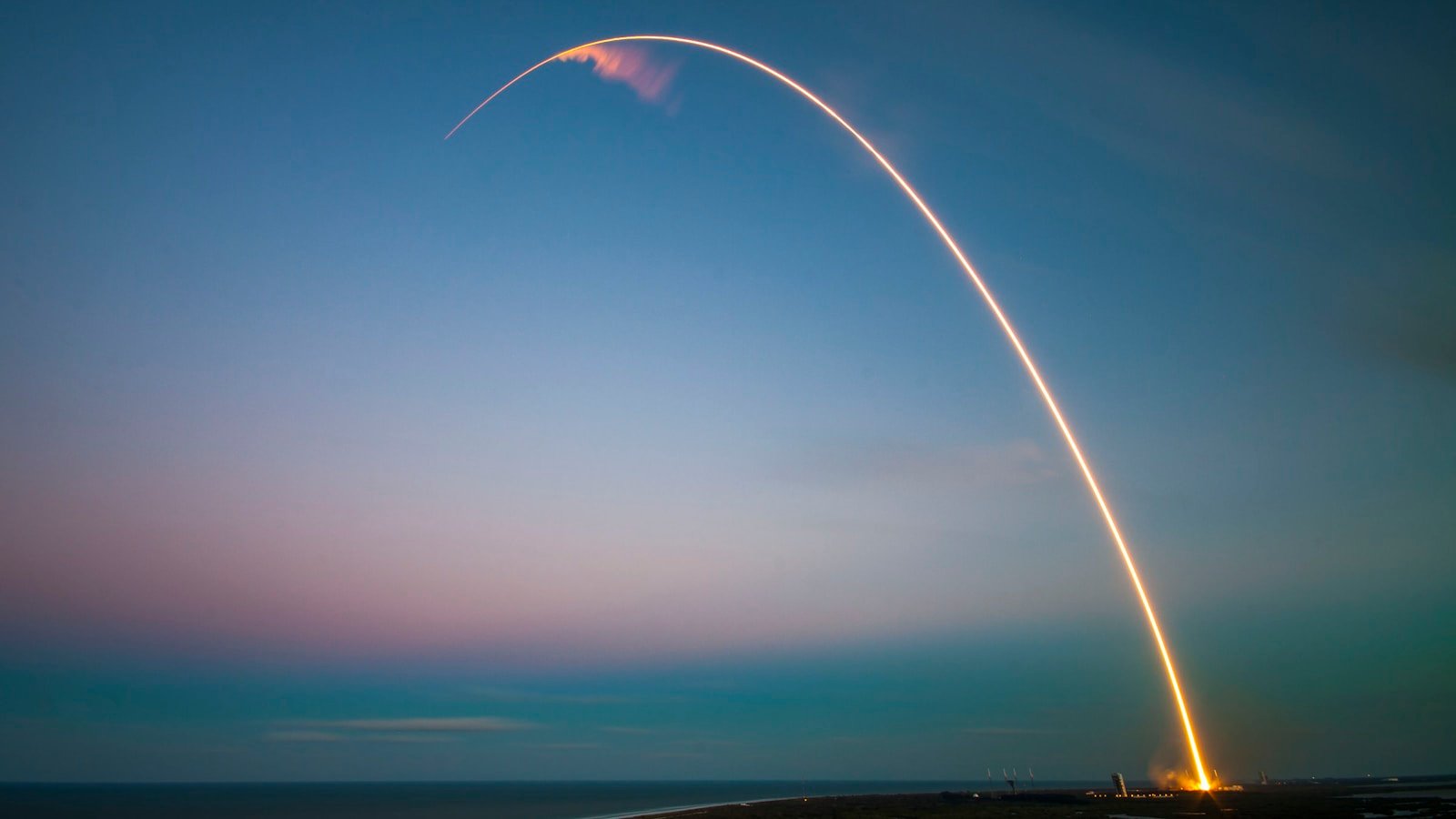
A few days ago, SpaceX was a private company you could not buy a share of. This week it passed Amazon to become one of the most valuable public companies on the planet, worth about 2.8 trillion dollars. That is not a typo, and it happened almost overnight.
The engine behind the surge is a pitch that sounds like science fiction: SpaceX wants to build artificial intelligence infrastructure in space. Investors heard that and piled in. The question is whether this is the next great leap or the kind of euphoria that ends in tears.
Let me lay out what actually happened in the market, and what to make of it.
SpaceX Amazon: The number that turned heads
On June 16, SpaceX stock jumped more than 10%, with shares of SPCX climbing 10.05%, a gain of 19.34 dollars, to 211.84 dollars, pushing its valuation to 2.8 trillion dollars and overtaking Amazon, The Motley Fool reported.
To put that in perspective, Amazon is one of the largest, most established companies in the world, with a sprawling retail empire, a dominant cloud business and decades of operating history. SpaceX just passed it, days after going public, on the strength of rockets and a bold idea. Markets do not usually move like that. When they do, you pay attention.
AI in orbit, the idea fueling it
The catalyst is SpaceX’s proposal to build AI infrastructure in space, a plan to put data centers and computing power into orbit rather than on the ground, according to the same report.
There is a real logic underneath the sci-fi framing. AI data centers are enormous consumers of power and produce enormous heat, and on Earth they are running into limits on electricity, cooling and land. Space offers abundant solar energy and the cold of the vacuum for cooling. A company that already launches more mass into orbit than anyone else is uniquely positioned to try it. The market is treating that combination, the world’s best launch company plus the world’s hottest technology, as close to unbeatable.
The post-IPO rocket ride
This surge did not come from nowhere. It was building on the momentum of SpaceX’s blockbuster public debut, one of the largest in market history. The stock has been on a tear since, and the AI announcement poured fuel on an already roaring fire.
That pattern, a giant IPO followed by a vertical climb on a visionary announcement, is exactly the setup that produces both legendary winners and spectacular bubbles. The same dynamic that minted fortunes in the great technology IPOs also defined the ones that cratered. Which one this becomes depends on whether the space-AI vision turns into actual revenue or stays a slide deck.
The rest of the market went the other way
Here is the detail that should keep you grounded. While SpaceX soared, the broader market did not. The S&P 500 slipped 0.14% to 7,543.64 and the Nasdaq Composite fell 0.46% to 26,560.20 amid profit-taking in high-growth tech, even as the Dow rose 0.89% to 52,132.01 on strength in cyclical stocks, The Motley Fool noted.
Read that carefully. Money may well have rotated out of other big technology names to chase SpaceX. When one stock vacuums up that much enthusiasm while its neighbors fall, it is a sign of concentration, not broad strength. The crowd is piling into one story, and that is a different thing from a healthy, rising market.
The case for caution
A 2.8 trillion dollar valuation built largely on a plan to build something that does not exist yet is, by definition, a bet on the future rather than the present. SpaceX is a phenomenal company with a real launch business, but orbital AI data centers are an idea, not a product line with customers and revenue.
Valuations that sprint ahead of fundamentals can keep climbing far longer than skeptics expect, and they can also reverse hard and fast. The honest position is humility. Nobody, bull or bear, actually knows whether building AI in space becomes a trillion-dollar industry or an expensive lesson. Anyone who tells you they are sure is selling something.
Why This Matters
SpaceX overtaking Amazon in days is a marker of where the market’s imagination is right now: space and AI, fused together, valued like the inevitable future. For ordinary investors, the temptation to chase a stock that just jumped 10% on a visionary headline is powerful and dangerous in equal measure.
The broader lesson is in the split screen. One stock rocketing while the rest of tech pulls back is the market telling you that enthusiasm has narrowed to a few names. That can be the start of something huge, or the late innings of a frenzy. The discipline is to notice which signals are real revenue and which are pure story, especially when the story is as good as building AI among the stars.
The NewsSparq Takeaway
Three things to hold onto.
One, the move is historic and real. A 2.8 trillion dollar valuation that passes Amazon, days after an IPO, is a genuine market event, not hype on paper.
Two, the valuation is a bet on a vision, not a business. Orbital AI infrastructure is an idea with real logic and zero revenue so far. The price is paying for the future, not the present.
Three, the rest of the market flinched. Tech pulling back while SpaceX soared signals concentration and rotation, which is a reason for caution, not confidence.
From a company you could not buy a week ago to a 2.8 trillion dollar giant betting it can build the cloud in orbit. It is a thrilling story, and it might even be a true one. But thrilling stories are exactly when investors lose their heads. Watch whether the rockets carrying AI to space ever actually launch, because right now the valuation has already left the pad.
Sources: The Motley Fool, TheStreet.
By The NewsSparq Editorial Desk
Related Stories From NewsSparq
- Nvidia, SpaceX and Big Tech All Got Hammered. The Market Just Changed the Question It Is Asking About AI.
- SpaceX Just Pulled Off the Biggest IPO in History, and Retail America Was Invited to the Party
- Venture Capital Is Back, but Only if You Build AI. Just Ask the Startups That Raised $2 Billion This Month.
- An American Food Giant Just Bought the Company Behind Splenda for $3.6 Billion, and Ozempic Is the Reason