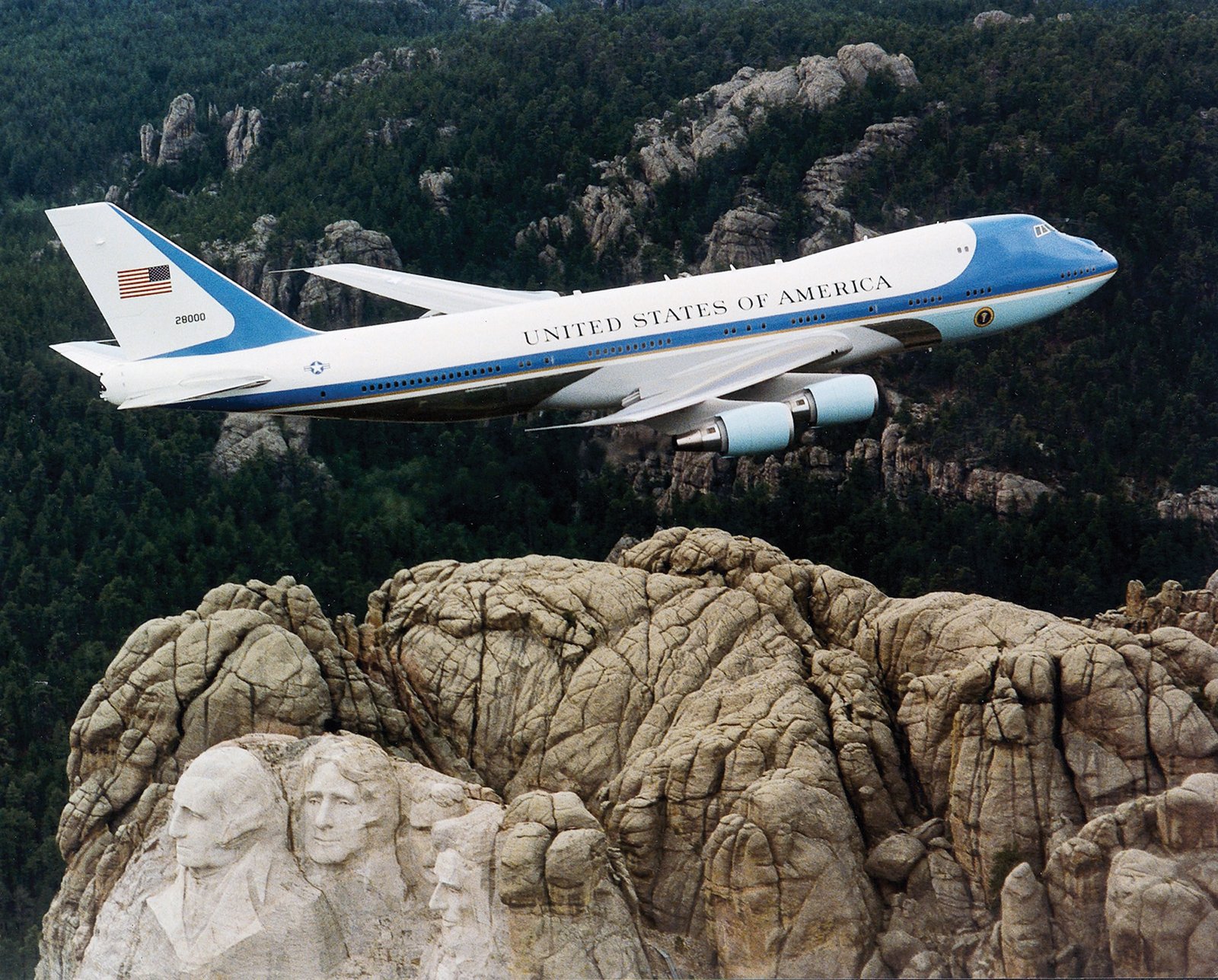
Air Force One is not really a plane. It is a flying piece of the United States, a symbol that happens to have wings, the closest thing America has to a castle that moves. So when it changes, people notice. And when the new one arrives by way of Qatar, they notice a great deal more.
This week the White House began the handover, retiring the long-serving jet as President Trump prepared to accept a replacement connected to the Gulf state. The plane is real, it is flying, and so is the controversy that came with it.
What is happening
Per NBC News, White House officials are in the process of retiring the aging aircraft as the president moves to take delivery of the new jet tied to Qatar.
The move has not gone unnoticed on Capitol Hill, where lawmakers have spent months pressing the administration for answers on a range of defense matters, as congressional coverage has tracked. A presidential jet with a foreign return address is exactly the kind of thing that invites fresh oversight questions.
The optics do a lot of work on their own. A foreign government and the presidential aircraft in the same sentence is the kind of pairing that guarantees a political fight, no matter what the fine print of the arrangement actually says.
The old plane really was overdue
Here is the part that gets lost in the noise. The existing Air Force One fleet is genuinely old. These aircraft have served administration after administration, and the official program meant to replace them has dragged on for years, tangled in delays and ballooning costs.
So a new presidential jet is not, by itself, strange. The plane needed replacing. The question that follows the headline is not whether, but how, and from whom. That is where the trouble lives.
The Qatar question
A presidential aircraft associated with a foreign government raises three immediate questions: cost, security, and the appearance of foreign influence over the most sensitive plane in the American fleet.
Critics will press on all three. Who paid for it, who built it, who had access during the work, and what message it sends to link the symbol of American power to a Gulf monarchy. Supporters will frame it as a pragmatic fix to a stalled, overpriced replacement program that previous efforts could not deliver. Both framings will be loud.
Security is the serious part
Beyond the politics, the genuine concern is security, and it is not a small one. Air Force One is a flying command center, packed with secure communications gear designed to let a president run the country, and command the military, from the air during a crisis.
Any aircraft entering that role gets stripped down and rebuilt to exacting standards before it carries the president anywhere. Expect that vetting process, and hard questions about it, to dominate the serious side of this story long after the political shouting fades. A jet that came through a foreign supply chain will face an especially thorough inspection, and rightly so.
What happens to the old jet
The retiring aircraft does not simply roll into a hangar to gather dust. Planes that have carried presidents are stripped of sensitive equipment, decommissioned under tight security, and often preserved in a museum. The classified systems and hardened components come out before the airframe goes anywhere the public might wander.
That process matters because of what these planes have held. For decades, the jet has been a moving vault of national secrets. Retiring it is less like trading in a used car and more like decommissioning a piece of infrastructure that knew too much.
A symbol by design
Every president puts a stamp on the office, and the plane is part of that stamp. The livery, the timing, the source of the aircraft, all of it becomes a statement. This one is loud on purpose, and it fits the pattern of an administration that does not shy away from a fight over symbols.
It also matters abroad. Foreign leaders, allies and rivals alike, read the symbols a country chooses to project. A presidential jet linked to a Gulf monarchy sends a message about alliances and priorities whether or not that message is intended. In diplomacy, the optics are never just optics.
Why This Matters
The presidential aircraft sits at the intersection of national security, government spending, and pure symbolism, and a change this visible touches all three at once. It is a real story about an aging fleet that genuinely needed replacing, wrapped inside a political story about who is providing the replacement and what that says about the country.
Both stories are true. The trick, as a reader, is to not let the louder one drown out the quieter, more important one about security and cost. The shouting will fade. The questions about how this plane was built and vetted will matter long after.
The NewsSparq Takeaway
Three things to hold onto.
One, the old plane was due. The replacement program has been a mess for years. A new jet is not the controversy. The source is.
Two, security is the question that matters most. Watch how the aircraft is vetted and rebuilt before it carries the president. That is the part with real stakes.
Three, the symbolism is the point. A presidential jet tied to a foreign government was always going to be a fight. That is not an accident of this story. It is the center of it.
The plane is flying. The argument about what it means is just getting started, and it will follow this aircraft down every runway and into every news cycle for as long as it carries the president. Symbols travel further than facts, and this one has barely begun its journey.
Sources: NBC News Politics, The Washington Post.
By The NewsSparq Editorial Desk
Related Stories From NewsSparq
- Trump Just Held a Housing Bill Hostage Over Voter ID. Here Is Why Both Parties Are Furious.
- Micron Soared 17 Percent on Blockbuster Earnings. The Market Fell Anyway. Here Is the Split.
- Trump Walked Into a Room Full of His Own Senators and Started Screaming. Here Is What That Tells You.
- The World Cup Is Here, in America, and the Country Is Figuring Out How to Feel About It