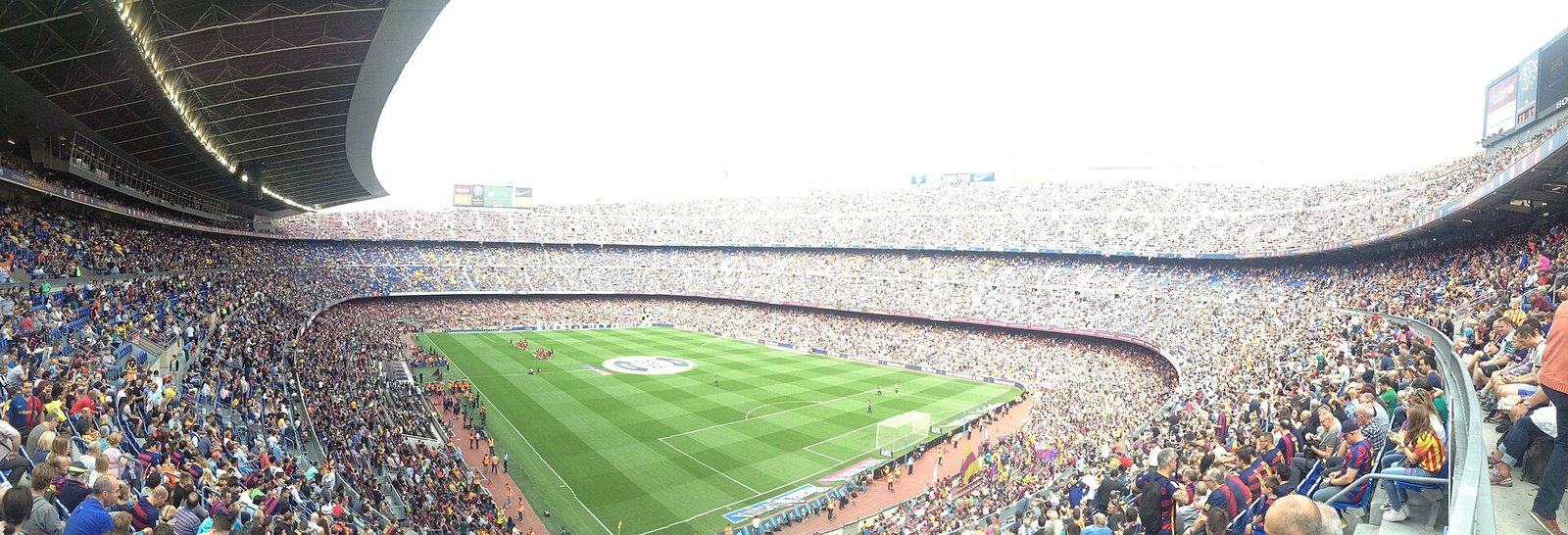
There is nothing in American sports quite like hosting a major international tournament, and there is nothing in international sports quite like the World Cup. The combination of the two, right now, in cities from New York to Los Angeles to Dallas to Seattle, is something genuinely new for the country.
The FIFA World Cup 2026 is in full swing. Matches are being played across the United States, Canada, and Mexico in a format expanded this year to 48 teams, the most in the tournament’s history. The American cities hosting it are discovering, in real time, what it means to be at the center of the world’s most watched sporting event.
What the Tournament Looks Like on the Ground
Per current schedules tracked by Box Office Mojo and Fandango, the entertainment calendar in host cities this month is dominated by the tournament in a way that is hard to overstate. Stadiums that normally host NFL or MLS games are running capacity crowds for group-stage matches between countries most of the local audience could not have pointed to on a map a month ago. They are pointed to them now.
The fan experience is unlike anything in American domestic sports culture. The supporter sections, filled with people who have often traveled thousands of miles and spent money they probably should not have to be here, bring an intensity to the stands that American sports arenas rarely see for regular-season matches. It is loud, it is vivid, and it is running every few days across a dozen cities simultaneously.
The Business Side of Hosting
For host cities, the economics are significant. Hotels around stadium zones have been at or near capacity for weeks. Restaurants and bars with large screens are running record months. The ripple effect through local economies, from transportation to merchandise to food service, represents a real and immediate stimulus.
The counterpoint is always the cost side. Host cities negotiated FIFA’s requirements years ago. Stadium upgrades, security contracts, transportation logistics, all of it comes with a price tag that took years to accumulate and will take years more to evaluate in full. The economic legacy of a World Cup is always more complicated than the immediate cash flow, and the full accounting comes years later.
Soccer’s Moment in American Sports Culture
The United States has always had a complicated relationship with the sport the rest of the world simply calls football. Domestic leagues have grown steadily. The women’s national team has been a dominant force globally for decades. The men’s program has improved meaningfully. But the question of whether soccer would ever break through as a mainstream American sport has always felt perpetually deferred.
Hosting the World Cup does something that a domestic league cannot: it brings the world’s best players, most famous clubs, and most passionate fan bases directly into American cities. Fans who would never travel to Europe to see Messi or Ronaldo-era legends of the game get to see the current generation of the sport’s best in their own backyard. That kind of exposure moves the needle on cultural adoption in ways that televised matches and MLS growth have not fully managed.
The Fan Experience Beyond the Matches
The World Cup is as much a cultural festival as a sports tournament. Fan zones in host cities run during the day, with massive screens showing matches from elsewhere while the local stadium prepares for its own. The food, the music, the national colors, the specific sounds of specific crowds, it all arrives in cities that are used to sports events but not quite to this.
American sports culture tends to be local and regional in its allegiances. The World Cup asks those same cities to host allegiances from everywhere on earth simultaneously. The result is a particular kind of cosmopolitan energy that most American cities do not experience outside of this tournament. For a fortnight or more, places like Miami, Atlanta, and Boston become genuinely international in a way that no domestic sporting event can quite replicate.
What the Numbers Look Like
The viewership numbers in the US have been significant. Per reporting tracked across sports and entertainment outlets, group stage matches featuring popular global teams have drawn audiences in the United States that exceed what comparable domestic league matches deliver. The tournament’s expanded format means more matches and more countries with passionate fan bases present in the host country.
Streaming numbers are a separate story. The distribution deal that brought World Cup matches to US audiences spans multiple platforms, and the total viewership when broadcast and streaming are combined is expected to be among the largest for any sporting event in US television history. Whether any of that converts to lasting domestic soccer interest is the question the sport’s American administrators are watching most closely.
The Knockout Stage Is Coming
Group stages set the bracket. The knockout stage is where the tournament becomes unmissable even for casual observers. Once the single-elimination rounds begin, the stakes of each match are absolute and the drama compounds. Host cities that have seen enthusiastic but spread-out group stage energy are going to experience something different when knockout round matches land.
For American cities, the knockout stages also tend to matter more commercially. Fans who committed to following their national teams through the group stage are now locked in through the tournament, spending more time and money in host cities than they planned when they bought their first match tickets.
The NewsSparq Takeaway
Three things to hold onto.
One, this is genuinely new for American cities. Hosting the World Cup at this scale is different from any other sporting event the country runs. The international fan culture that arrives with it is unlike anything in domestic sports.
Two, the business case is complex. The immediate economic activity is real. The long-term accounting, weighing costs against lasting benefits, will take years. Do not trust anyone who tells you either direction with certainty right now.
Three, the knockout stage is the real tournament. Group stage enthusiasm is warm-up. What happens when the bracket tightens is when the World Cup becomes the World Cup. Host cities are about to find out what that looks like from the inside.
The world’s biggest sporting event came to America, and America is still in the process of deciding exactly what to do with it. That uncertainty is actually one of the more interesting things about this particular hosting moment. The country did not grow up with this tournament. It is watching it arrive, trying to figure out what it is, and then mostly deciding it is pretty good after all. That might be the most American response possible.
Sources: Box Office Mojo, Fandango.
By The NewsSparq Editorial Desk
Related Stories From NewsSparq
- Micron Soared 17 Percent on Blockbuster Earnings. The Market Fell Anyway. Here Is the Split.
- Trump Walked Into a Room Full of His Own Senators and Started Screaming. Here Is What That Tells You.
- Trump Just Held a Housing Bill Hostage Over Voter ID. Here Is Why Both Parties Are Furious.
- Marvell Joined the SP 500 on Monday. Then the Stock Fell. Here Is Why That Is Normal.