The tit-for-tat between Washington and Beijing added a new chapter this week, and this one landed on some very specific companies in very specific American towns.
China sanctioned 10 US defense companies, blocking Chinese exports of dual-use goods to each of them. Dual-use means products with both civilian and military applications. In practice, that covers a wide range of components and materials that modern defense systems depend on.
Which Companies Got Hit
Per Fortune, the 10 companies are AVEOX in California; Red Cat Holdings and Teal Drones in Utah; IMSAR in Utah; Jaia Robotics in Rhode Island; Ball Aerospace in Colorado; Oshkosh Defense in Wisconsin; L3Harris Maritime Services in Virginia; MP Materials in Nevada; and USA Rare Earth in Oklahoma.
Per Euronews, the announcement from China’s Commerce Ministry blocks Chinese companies from exporting dual-use items to these firms. In addition, China’s Finance Ministry said government entities would be prohibited from buying products from 46 American companies, including units of Lockheed Martin, Raytheon and General Dynamics.
What Triggered This
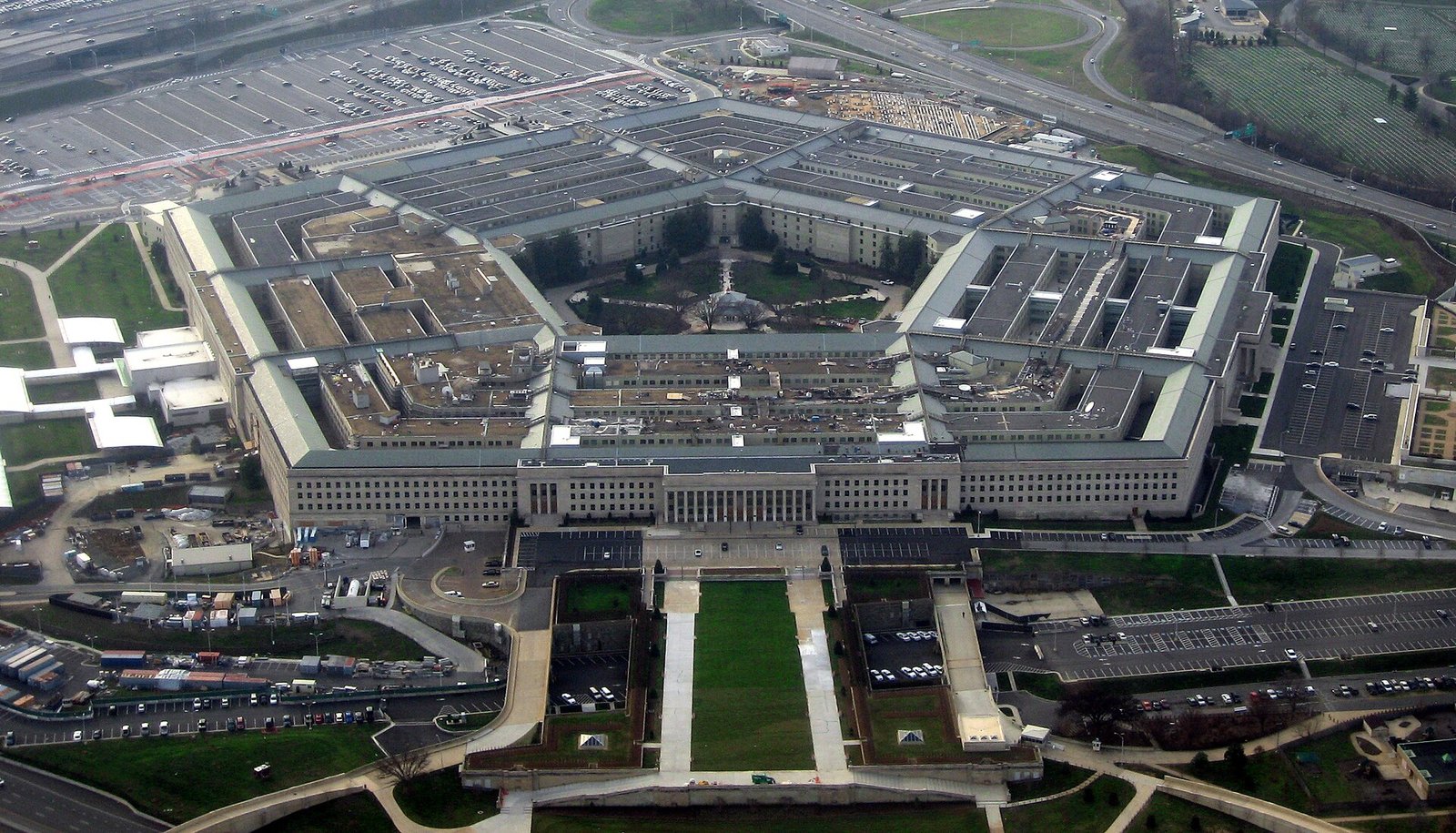
The immediate trigger was a US Defense Department action adding several major Chinese tech companies, including Alibaba and Baidu, to its list of firms with alleged links to the Chinese military. That designation prevents them from getting US military contracts.
Per US News and World Report, China framed its response as a direct retaliation, hitting back at US sanctions on tech giants by restricting its exports to American defense firms. Beijing has been clear that it views these actions as part of a pattern of economic coercion.
Why Drone Makers and Rare Earth Companies
Look at the list and a logic emerges. Red Cat Holdings, Teal Drones, Jaia Robotics, and IMSAR are all involved in military drone technology. Drones have become the defining weapons system of modern conflict, as the Ukraine war has demonstrated. Blocking Chinese components from reaching US drone manufacturers is a pointed move.
MP Materials and USA Rare Earth are in a different but equally important category. Rare earth minerals are essential for magnets, batteries, electronics, and precision weapons. China produces a dominant share of the world’s rare earth supply, and restricting its exports to these companies is a reminder that the US defense industrial base still depends on Chinese supply chains more than most people are comfortable with.
The 46-Company Finance Ministry List
The second part of the action, the Finance Ministry prohibiting government purchases from 46 American companies, is broader and potentially more damaging. Lockheed Martin, Raytheon and General Dynamics are the backbone of the US defense industry. China is not a significant buyer of their products directly, but the move signals a willingness to escalate the designation game well beyond the 10 companies on the export ban.
It also sets a precedent. Once a government starts maintaining a prohibited-purchases list, expanding it is politically easy. China has given itself a tool it can reach for every time the US does something Beijing dislikes.
The Rare Earth Vulnerability Nobody Wants to Say Out Loud
The most important thing hiding in this announcement is not the specific companies. It is the underlying fact it exposes: the US defense supply chain has a rare earth problem that has not been solved despite years of talking about it.
MP Materials and USA Rare Earth are on this list precisely because they are trying to build domestic alternatives to Chinese supply. China sanctioning them is a direct attempt to slow that effort. If it works, or even slows down the domestic buildup, the US defense sector stays more dependent on Chinese inputs for longer. That dependency is the strategic leverage China is trying to protect.
How the US Is Likely to Respond
Expect more designations on the Chinese military company list. The US has been expanding that list steadily, and China’s retaliation gives the Pentagon political justification to add more names. The cycle is self-reinforcing.
The longer-term response, the one that actually addresses the underlying vulnerability, is building out domestic rare earth processing and reducing dependence on Chinese components in the defense supply chain. That work is underway but slow, expensive, and years from being complete. In the meantime, the sanctions exchange gives both governments something to announce without changing the fundamental facts.
What This Means for the Broader Trade War
The designation and counter-designation game has been escalating for years, but the specific targeting of defense companies marks a shift. In earlier rounds of trade friction, the targets were consumer goods, agricultural products, and industrial materials. Adding military supply chains to the mix raises the stakes considerably.
The risk is not just economic disruption. It is that the two largest economies are building up lists of prohibited companies, restricted exports, and blocked purchases that make unwinding the conflict harder each time the list grows. Every new name on every new list is a future bargaining chip that has to be traded away to get back to normal. And the lists are only getting longer.
The NewsSparq Takeaway
Three things to hold onto.
One, the drone and rare earth targeting is strategic. China went after exactly the parts of the US defense supply chain that are most exposed to Chinese inputs. That is not random. It is a reminder of leverage.
Two, the 46-company Finance Ministry list matters more than the 10-company export ban. Broad financial prohibitions against Lockheed, Raytheon, and General Dynamics signal a willingness to escalate far beyond this week’s announcement.
Three, this only ends if both sides want it to. The lists will keep growing as long as both governments find domestic political value in adding names. The structural work of reducing dependence is the only real answer, and that takes years.
China and the United States are building elaborate architecture for a conflict neither side says it wants. The companies on this week’s list are the visible sign of a much larger and longer-term problem that is nowhere near resolved.
Sources: Fortune, Euronews, US News.
By The NewsSparq Editorial Desk
Related Stories From NewsSparq
- China Is Cutting Off Rare Earth Exports to US Defense Companies. This Is the Real Trade War.
- A Virus With No Vaccine Is Spreading in Congo, and the WHO Just Hit the Alarm
- Micron Soared 17 Percent on Blockbuster Earnings. The Market Fell Anyway. Here Is the Split.
- Ukraine Just Hit a Gas Plant 750 Miles Inside Russia. The Front Line Is Everywhere Now.