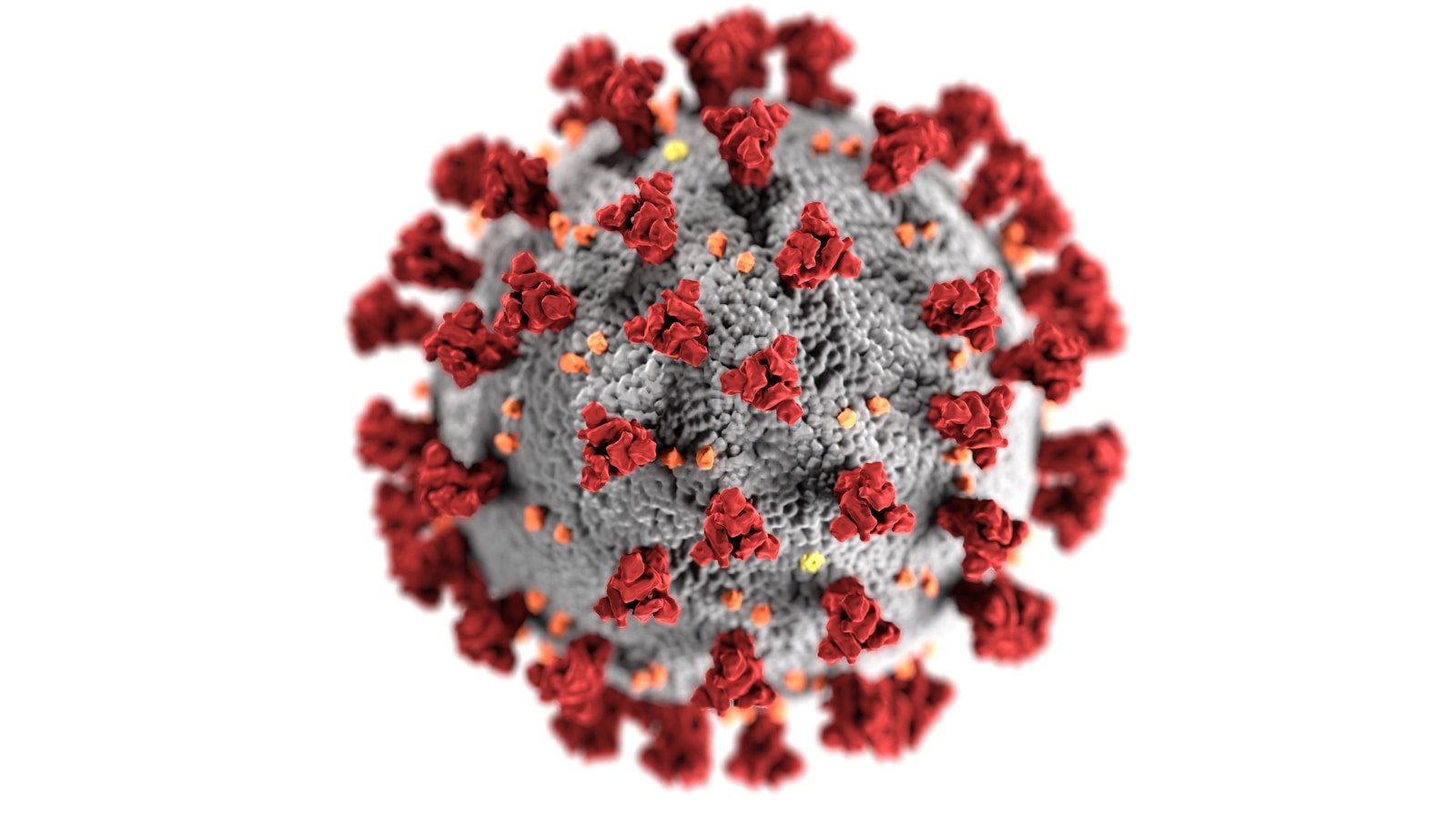
The World Health Organization does not use its highest alarm lightly. It has done so only a handful of times this decade. On May 17, it did it again, for an Ebola outbreak in central Africa caused by a strain that has no approved vaccine and no specific treatment.
The numbers behind that decision are grim, and they are moving fast. As of late May, the Democratic Republic of the Congo had reported hundreds of confirmed cases and hundreds of suspected deaths, with the virus already crossing a border into Uganda.
This is the Bundibugyo virus, and the response now comes down to one brutal variable. Speed.
What the WHO actually declared
On May 15, the health ministries of the DRC and Uganda declared an outbreak after confirming Bundibugyo virus disease in both countries. Two days later, on May 17, the WHO Director-General declared a Public Health Emergency of International Concern, or PHEIC.
That is the WHO’s top-level alarm, the same designation used for COVID-19 and past major Ebola epidemics. It is not a word the organization throws around. It unlocks international funding, coordination, and attention, and it signals that this is no longer a local problem.
The case numbers, and why they keep changing
Here is the picture as it stood in late May. As of May 29, the DRC had reported 906 suspected cases, including 223 deaths among suspected cases, per WHO situation reporting. Across both countries, 134 cases had been confirmed, including nine in Uganda, with 18 confirmed deaths.
More recent data told a sharper story. By May 31, the DRC reported 282 confirmed cases, 42 confirmed deaths, and 220 suspected cases still under investigation. The reason the numbers jump around is the lag between suspected and confirmed. In a fast outbreak, the official count always trails the reality on the ground.
What Bundibugyo virus actually is
Bundibugyo is a member of the ebolavirus family, first identified in 2007. Like its relatives, it spreads through direct contact with the bodily fluids of infected people and can cause severe illness.
The critical difference from the better-known Ebola-Zaire strain is this. Unlike for Ebola-Zaire, there are currently no approved Bundibugyo-specific therapeutics or vaccines. The tools that helped contain past Ebola outbreaks do not exist for this strain. That single fact is why a four-figure suspected caseload is so alarming.
Why the geography makes it harder
Location is everything in an outbreak, and this one landed in a hard place. In the DRC, transmission is concentrated in Ituri, North Kivu and South Kivu, with Ituri the most affected province.
These are regions with insecurity, displacement, and weak health infrastructure. The response is fighting challenges in contact tracing, inadequate isolation, and unsafe conditions for health workers. Uganda has reported nine confirmed cases including one death, and at least three were linked to travel from the DRC. A virus that crosses borders with travelers is a virus that can outrun a containment effort built around one country.
The international response
The world is moving, at least. The US Centers for Disease Control and Prevention has mobilized an international response, and the WHO’s emergency machinery kicked in with the PHEIC declaration.
But mobilizing and containing are different things. Money and experts help only if they can reach the affected zones and operate safely. In Ituri and the Kivus, that is not guaranteed. The response is racing not just a virus but the conditions on the ground.
Why this strain is different
Not all Ebola is the same, and that distinction is the whole problem here. The 2014 West Africa epidemic and the major 2018 to 2020 DRC outbreaks were driven by the Zaire strain, the one that now has approved vaccines and treatments.
Bundibugyo is a different animal. The hard-won tools from those past fights, the ring-vaccination campaigns, the monoclonal antibody treatments, do not transfer cleanly to this strain. Responders are walking into a familiar kind of fire without the newest equipment they spent a decade building. That is why a Bundibugyo PHEIC carries a different weight than another Zaire flare-up would.
The cross-border travel risk
The single most worrying detail is the border. Uganda’s nine confirmed cases, including one death, were not random. At least three were linked to travel from the DRC.
That is how a regional outbreak becomes an international one, one traveler at a time. Ituri and the Kivus sit on busy routes, and a virus that moves with people is far harder to ringfence than one stuck in a single village. The PHEIC designation exists precisely because the WHO saw that border-crossing pattern and decided it could not stay a two-country problem if left unchecked.
Why This Matters
A virus with no treatment turns containment into the only line of defense. Every day a case goes undetected is a day the chain can branch, and without a vaccine there is no shortcut.
The headline number to watch is not the suspected total. It is the gap between how many cases get isolated and how fast new ones appear. If isolation outpaces spread, the curve bends. If it does not, a PHEIC in central Africa can become a problem the whole world has to think about, fast.
The NewsSparq Takeaway
Three things to hold onto.
One, the strain is the problem. Bundibugyo is not the Ebola we built vaccines and treatments for. Responders are fighting a familiar fire without their newest tools.
Two, the border is the risk. Uganda’s cases came from DRC travel. A virus that moves with people is what turns a regional outbreak into an international emergency, which is exactly why the WHO hit its top alarm.
Three, watch the confirmed-versus-suspected gap. If isolation outpaces spread in Ituri and the Kivus, the curve bends. If it does not, there is no vaccine to fall back on.
A virus with no treatment leaves only one defense, and it is human discipline under terrible conditions. The next two weeks of case data will tell us whether that defense is holding.
Sources: WHO PHEIC Declaration, WHO Disease Outbreak News, CDC.
By Md Danish, Founder and Editor in Chief, NewsSparq
Related Stories From NewsSparq
- China Just Sanctioned 10 US Military Companies. Here Is Exactly Who Got Hit and Why.
- Russia Hit Kyiv With One of Its Biggest Barrages of the War, and Ukraine Stopped None of the Ballistic Missiles
- A Category 5 Super Typhoon Just Made a Direct Hit on US Soil, and It Was Already Living in Tents
- Ukraine Just Hit a Gas Plant 750 Miles Inside Russia. The Front Line Is Everywhere Now.