Every round of the US-China trade dispute has a public story and a quieter one that matters more. The public story this week is that China sanctioned 10 American defense companies in retaliation for a US move against Chinese tech firms. The quieter story is what it reveals about where the US military supply chain is still exposed.
The exposed nerve is rare earths, and the companies that just got put on China’s list are exactly the ones trying to fix that problem from the American side.
What the Sanctions Actually Do
Per Fortune, China’s Commerce Ministry blocked Chinese companies from exporting dual-use items to the 10 sanctioned firms. Dual-use goods are products with both civilian and military applications. That covers a sweeping range of materials: magnets, electronic components, processing chemicals, specialty alloys, and a long list of inputs that flow through manufacturing pipelines most consumers never think about.
In addition, per Euronews, China’s Finance Ministry prohibited government entities from buying from 46 American companies, including units of Lockheed Martin, Raytheon and General Dynamics.
Why Rare Earth Companies Are on the List
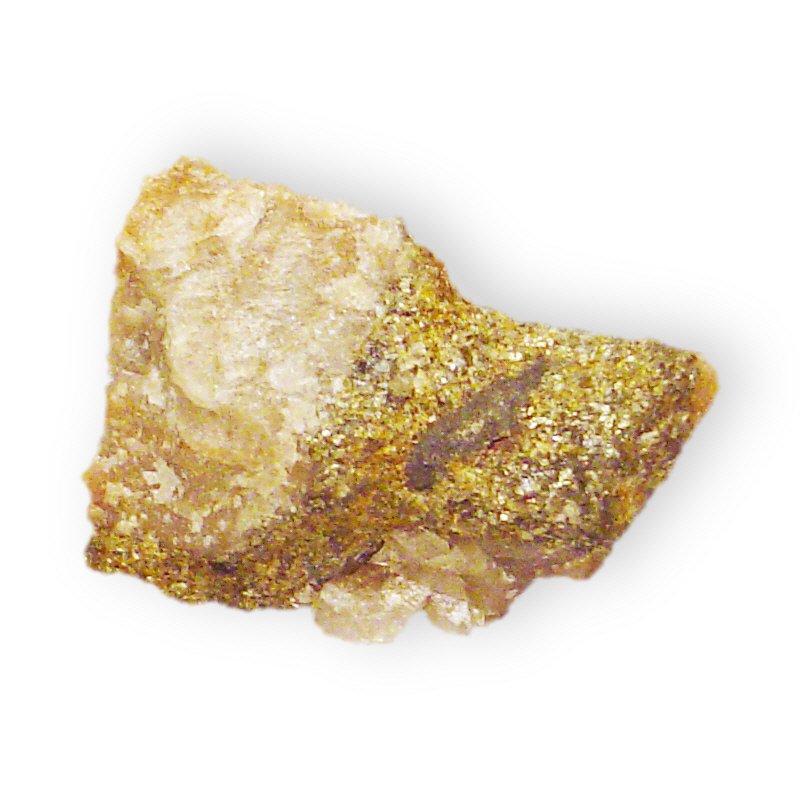
Two of the 10 companies, MP Materials in Nevada and USA Rare Earth in Oklahoma, are not defense contractors in the traditional sense. They mine, process, and refine the critical minerals that go into everything from smartphone speakers to missile guidance systems. They are on this list because China produces the overwhelming majority of the world’s refined rare earth elements, and US companies like these two are the most visible attempts to build a domestic alternative.
Sanctioning them is a targeted move. It does not immediately cut off these companies from Chinese materials, because most of their rare earths come from domestic or allied-country sources. But it signals to every investor, partner, and customer of these companies that China can, and will, use trade tools to slow the build-out of US rare earth independence. That signal is the point.
The Drone Supply Chain Problem
Red Cat Holdings, Teal Drones, Jaia Robotics, and IMSAR are all in the military drone space. Per US News and World Report, Chinese restrictions on dual-use exports to these companies hit the precise components, motors, sensors, electronics, that are hardest to source outside of Chinese supply chains.
The US government has spent the last several years trying to reduce the dependence of its drone industrial base on Chinese components, partly because drones are now a defining weapons technology and partly because importing key components from a strategic competitor is an obvious vulnerability. The companies on this list are part of that effort. China sanctioning them is a direct response to that effort.
What This Means for Companies in the Middle
For the companies on the list, the immediate practical question is what they can still get and from where. Dual-use restrictions do not necessarily mean complete cutoff. Chinese companies wanting to export to these firms now face licensing requirements and additional scrutiny. Some will choose to find alternative buyers rather than navigate the bureaucracy. Others may continue through third-party arrangements.
The longer-term effect is to raise costs, extend timelines, and force these companies to accelerate their diversification away from Chinese inputs. That process was already underway but slow and expensive. The sanctions make it more urgent, which is the opposite of what China probably intended, if the actual strategic goal is to keep these companies dependent.
The 46-Company Finance Ministry List
The second part of the action, the Finance Ministry prohibiting government purchases from 46 companies including Lockheed, Raytheon, and General Dynamics, is more symbolic than immediately damaging. China does not buy from these companies in any significant quantity. The value of the designation is as a threat and a precedent, a statement that China has built a tool and is willing to expand it.
The list also gives Chinese government ministries political cover to reduce purchases from these companies even when they might have a legitimate business reason to consider them. Once a name is on a prohibited list, it is bureaucratically difficult for any Chinese official to advocate for doing business with that company, regardless of merit.
The Business Cost of Geopolitics
The broader pattern here is one of two large economies building incompatible procurement and supply systems in parallel. Companies that do business in both markets are increasingly being asked to choose sides, or at least to document which side they are on for the benefit of each government.
That kind of bifurcation has real costs. Compliance programs get more expensive. Supply chains get longer. R&D that would benefit from open exchange across borders gets siloed. The total efficiency cost of US-China economic decoupling, spread across every affected industry and supply chain, is something economists are still calculating and it is almost certainly being underestimated.
Why This Matters
The rare earth and drone supply chain vulnerability is not new. It has been widely discussed, analyzed, and worried about in defense and policy circles for years. What this week demonstrates is that the vulnerability is still real and still being actively exploited, despite years of effort to reduce it.
The companies on the list are not random. They were chosen because they represent the exact pieces of the US industrial base most dependent on Chinese inputs and most active in trying to reduce that dependence. Targeting them is China saying it sees what America is building and is going to make it harder to build it. Whether the US industrial policy response, which includes significant government investment in domestic rare earth and semiconductor production, will actually succeed is the central question of the next decade in US-China economic competition.
The NewsSparq Takeaway
Three things to hold onto.
One, the rare earth companies on the list are the story. MP Materials and USA Rare Earth are there because they are the US response to Chinese dominance. Targeting them is targeting the fix, not just the problem.
Two, drone supply chains are still vulnerable. Despite years of effort, the US military drone industrial base still depends on components that flow through Chinese supply chains. This week made that harder to ignore.
Three, both lists will grow. The Commerce Ministry list and the Finance Ministry list are tools that are easy to expand and hard to shrink. Expect more names.
The trade war always had a supply chain dimension. This week it moved explicitly into the military supply chain. That is a qualitative shift, not just another round of tariffs, and the companies caught in the middle are the ones who will bear the cost of a geopolitical dispute they did not start.
Sources: Fortune, Euronews, US News.
By The NewsSparq Editorial Desk
Related Stories From NewsSparq
- China Just Sanctioned 10 US Military Companies. Here Is Exactly Who Got Hit and Why.
- Yum Just Sold Pizza Hut for $2.7 Billion, and It Tells You the Pizza War Is Over
- The Iran War Is Officially Over. The Fires Have Not Stopped.
- Americas Defense Chief Just Told NATO to Reinvent Itself or Be Left Behind