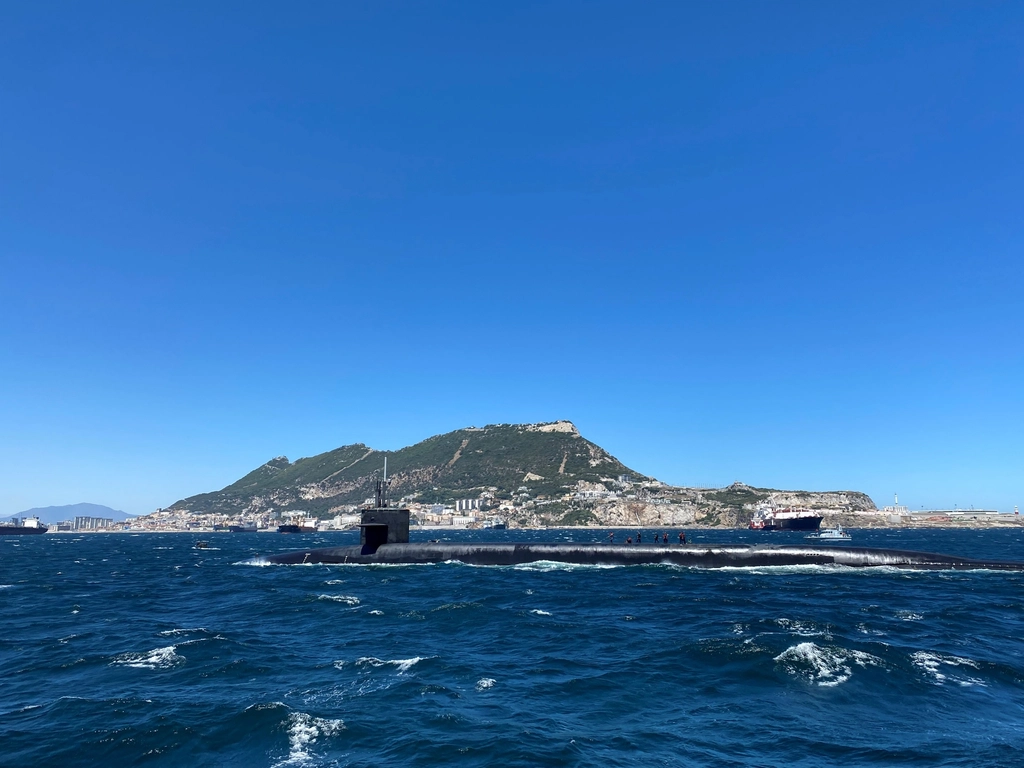
Some military tests are quiet. This one was a message sent by megaphone. China’s navy test-launched a long-range ballistic missile carrying a dummy warhead from a nuclear-powered submarine on Monday, July 6, and sent it arcing into the South Pacific, CBS News reported.
The warhead splashed down inside the South Pacific Nuclear Free Zone, the region covered by the 1986 Treaty of Rarotonga. And it did so within hours of Australia and Fiji signing a new mutual defense pact. Australia, New Zealand, Japan and the United States all protested.
Here is what China launched, and why nobody in the region is treating it as routine.
What was fired
Chinese state media said the missile lifted off at 12:01 p.m. local time carrying a dummy warhead. Defense analysts at The War Zone assessed it as either a JL-2 or JL-3 submarine-launched ballistic missile, most likely a JL-2 based on the flight distance, fired from a Type 094 Jin-class nuclear-powered ballistic missile submarine, of which China has at least six in service, The War Zone reported.
Their trajectory analysis put the splashdown in the Pacific west of the Solomon Islands. A Chinese missile-tracking ship, the Yuan Wang 5, was positioned in the area, and the missile flew a normal, non-lofted trajectory, the profile of an operational weapon test rather than a science shot.
Beijing’s explanation, and who got told
China’s Ministry of Defense said the launch complied with international law and practice, was not directed against any country or target, and was a routine arrangement of the Chinese side’s annual military training. The region did not buy the routine framing.
Part of why: China notified Japan, New Zealand and Australia in advance, but not the United States, the Associated Press reported. Deciding which nuclear powers to warn and which to leave out is itself a signal.
The protests
The diplomatic pushback came fast and coordinated. New Zealand Foreign Minister Winston Peters said it appears that despite our long-standing concerns about this type of activity, China carried out the test within hours of informing us. Australian Foreign Minister Penny Wong said Australia has been clear with China that we regard this as destabilizing to the region.
The US State Department went to the core worry: Beijing’s rapid and opaque nuclear weapons buildup is of great concern to the region and the world. That word opaque is the whole complaint, a nuclear arsenal growing fast with little visibility into how big or how ready it is.
The timing was the point
Strip away the routine language and the calendar tells the story. The launch came the same day, within hours, of Australia and Fiji signing the Ocean of Peace Alliance, a mutual defense treaty that makes Fiji Australia’s fourth full treaty ally after the United States, New Zealand and Papua New Guinea, and that stays open to other Pacific island nations, per analysts at the Australian Strategic Policy Institute.
ASPI analyst Malcolm Davis called the test hardly a subtle riposte to Australia and Fiji achieving a mutual defence agreement. In other words, China answered a new alliance in the Pacific by dropping a missile into the Pacific.
How rare this is
China does not do this often in the open. Its last Pacific missile test was in September 2024, a DF-31 intercontinental missile with a dummy warhead that came down near French Polynesia, and before that the last comparable test was in 1980. Acknowledged launches into the open Pacific are a once-in-years event, which is why this one carries so much weight.
It also fits a pattern of growing Chinese power projection into waters the West long treated as friendly, including a Chinese naval task force that circumnavigated Australia in early 2025. The Pacific is becoming contested space, and China is making sure everyone sees it.
To understand why a submarine-launched missile rattles the region more than a land-based one, it helps to know what the weapon represents. A missile fired from a hidden, mobile submarine is the hardest part of any nuclear force to locate and neutralize, which makes it the ultimate guarantee that a country could strike back even after absorbing a first blow. Demonstrating that capability in open water is a way of telling rivals that China’s deterrent can reach them from places they cannot easily watch.
Why This Matters
A submarine-launched ballistic missile is the hardest leg of a nuclear force to find and stop, so a public test of one is a deliberate demonstration of reach and survivability. Sending it into a treaty-designated nuclear-free zone, and timing it to a new regional alliance, turns a training exercise into strategic signaling aimed squarely at Washington’s Pacific partners.
It matters for the balance of power in a region the US considers central to countering China. When Canberra strengthens its alliances and Beijing responds with a missile, the two trends feed each other, and the Pacific edges further from calm waters toward a zone of open military competition.
The NewsSparq Takeaway
Three things to hold onto.
One, this was a rare, public nuclear signal. China fired a submarine-launched ballistic missile into the South Pacific nuclear-free zone, its first such Pacific test since 2024 and only the handful-th in decades.
Two, the timing was the message. It landed the same day Australia and Fiji signed a mutual defense treaty, which analysts read as a direct riposte to the new alliance.
Three, the region answered together. Australia, New Zealand, Japan and the US all objected, with Washington pointing at China’s rapid and opaque nuclear buildup.
China called it routine annual training. Its neighbors watched a nuclear-capable missile fall into a nuclear-free zone hours after they built a new alliance, and heard something very different. In the Pacific, the messages are getting louder.
Sources: CBS News, PBS NewsHour / AP, The War Zone, ASPI The Strategist.
By Md Danish, Founder and Editor in Chief, NewsSparq
Related Stories From NewsSparq
- China Just Sanctioned 10 US Military Companies. Here Is Exactly Who Got Hit and Why.
- The House Voted to End the Iran War. Hours Later the Senate Fell Two Votes Short.
- China Is Cutting Off Rare Earth Exports to US Defense Companies. This Is the Real Trade War.
- The US and Iran Just Signed a Peace Deal in Secret, and 92 Ghost Ships Tell You How Fragile It Really Is