The numbers out of Kyiv this week are grim on their own, but one of them should frighten anyone watching this war. Russia launched 351 drones and 68 missiles at Ukraine overnight into Monday, killing at least 20 people, and of the 29 ballistic missiles it fired, Ukraine intercepted exactly zero, CBS News reported.
It was the second mass-casualty attack on the capital in four days, and it landed on the eve of a NATO summit where Ukraine’s president will beg allies for the one thing that could have stopped those missiles: more air defense.
Here is what happened over Kyiv, and why the failure to stop the ballistic missiles matters more than the raw death toll.
Russia Kyiv: The scale of the attack
The barrage began around 1:40 a.m. local time, with further waves at 2:10 and 3:15, Al Jazeera reported. The Associated Press and Al Jazeera counted at least 20 killed, 14 in Kyiv city and 6 in the wider region, while CBS put it at 22, and the Kyiv Independent, updating into July 7, reported 26 dead including 19 in the capital and 7 in the suburb of Vyshneve.
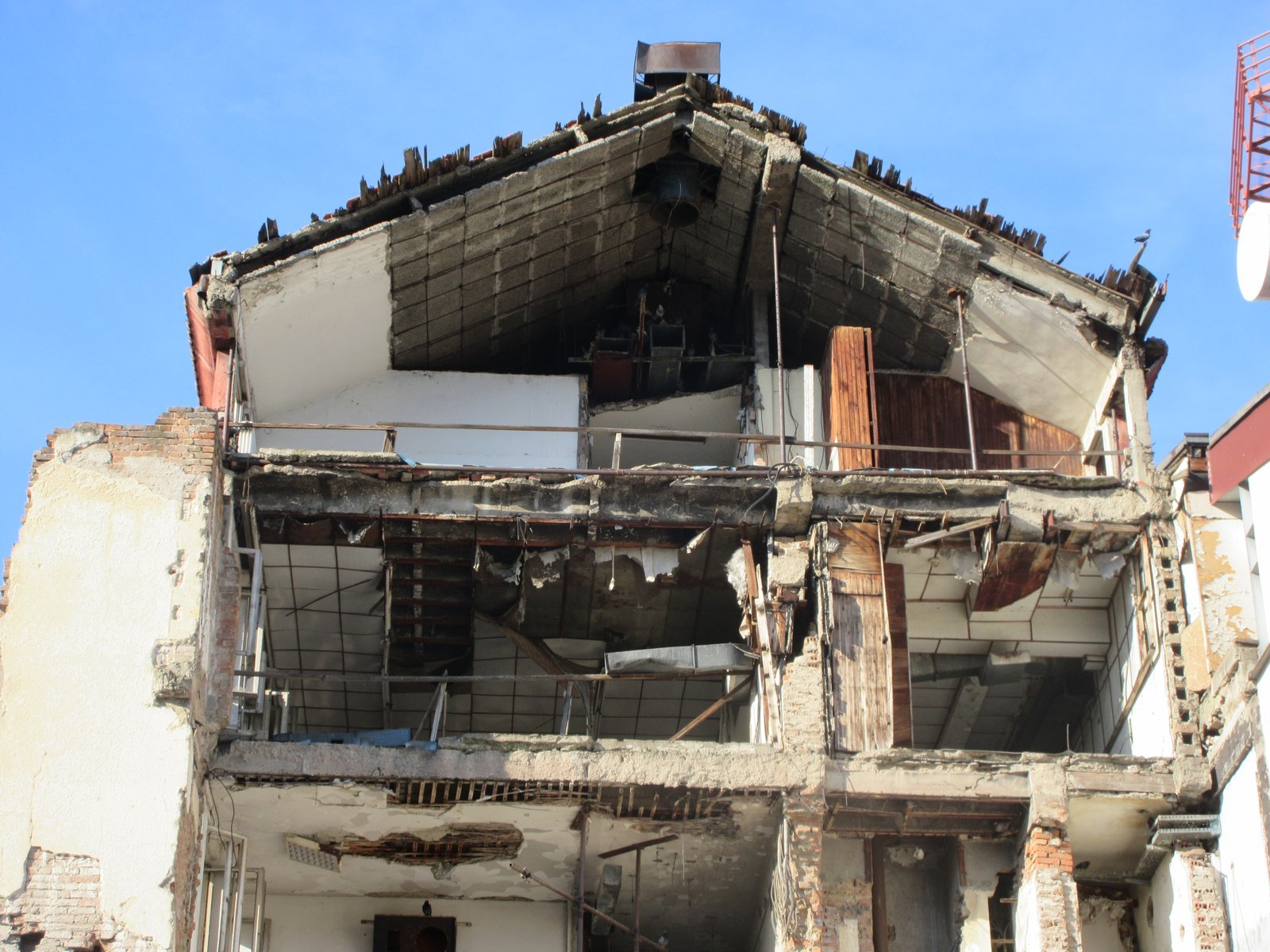
The wounded numbered in the dozens and by some counts far more, with the Kyiv Independent reporting more than 90 injured in Kyiv alone, among them 6 children. Residential buildings were struck across the Podilskyi, Obolonskyi, Holosiivskyi and Darnytskyi districts, with damage also in Bucha, Vyshhorod and Brovary.
The number that matters most
Amid all those figures, one stands out. Ukraine’s air force said all 29 ballistic missiles fired at the country struck their targets. Not one was shot down. Air defenses did well against the slower threats, downing dozens of cruise missiles and hundreds of drones, but against the fast ballistic missiles they managed nothing.
The reason is supply, not skill. President Volodymyr Zelenskyy blamed the insufficient supply of interceptor missiles, and air force spokesman Yurii Ihnat said the Russians are certainly using the fact that there is a serious deficit of interceptor missiles now. Ukraine relies on US-made Patriot systems to stop ballistic missiles, and there simply are not enough interceptors to go around.
Why the interceptors ran short
The shortage is partly a problem of global math. Ukraine’s defense minister said Russia is now launching ballistic missiles on a scale never seen before, and that fewer such missiles are produced worldwide each month than the enemy fires, the Associated Press reported.
Compounding it, the war in the Middle East has strained the global supply of Patriot interceptors, pulling a scarce resource toward multiple crises at once. Ukraine is competing for missiles that the whole world suddenly wants.
Russia’s justification, and its own losses
Moscow framed the bombardment as retaliation. Russia’s Defense Ministry called it a response to Ukraine’s long-range strikes on Russian oil infrastructure, which have caused fuel shortages inside Russia, and claimed to have downed 519 Ukrainian drones.
Ukraine, for its part, is still hitting back deep. The same night, Ukrainian drones struck Russia’s Omsk refinery, roughly 2,700 kilometers from Ukraine, one of the longest-range strikes of the four-year war. The two sides are now trading blows across enormous distances, and civilians in Kyiv are paying for it.
The distinction between the two kinds of threats in this attack is the whole story of modern air defense. Slow, low-flying drones and cruise missiles can be tracked and shot down with a range of systems, which is why Ukraine downed so many of them. Ballistic missiles are different: they climb high and come down at enormous speed, leaving only seconds to react, and stopping them requires specialized interceptors like those fired by the Patriot system. When those specific interceptors run short, the fastest and most destructive weapons in Russia’s arsenal get a clear path to the target.
Why This Matters
An air defense that stops drones but not ballistic missiles is an air defense with a hole in the roof, and Russia has clearly found it. When every ballistic missile gets through, the threat to civilians and infrastructure jumps, and the pressure on Kyiv to secure more Patriots becomes existential rather than tactical.
It also sets the stage for the week’s diplomacy. Zelenskyy travels to the NATO summit in Ankara to meet President Trump and press for air-defense support, saying the United States and Europe have enough strength to stop this terror. With more than 16,000 Ukrainian civilians killed in the war per UN figures, that request now comes with fresh graves behind it.
The NewsSparq Takeaway
Three things to hold onto.
One, the ballistic missiles all got through. Ukraine intercepted none of the 29 ballistic missiles in a barrage of 351 drones and 68 missiles, exposing a critical gap in its defenses.
Two, it is a supply crisis, not a skill gap. Zelenskyy and his air force blame a serious deficit of Patriot interceptors, worsened by Middle East demand and Russia firing ballistic missiles faster than the world can build them.
Three, it feeds straight into the summit. This was the second mass strike on Kyiv in four days, and Zelenskyy carries it to Ankara to ask Trump and NATO for the air defense that could have stopped it.
Twenty or more people died in Kyiv because the missiles that killed them could not be stopped, and the reason they could not be stopped is that Ukraine has run out of the weapons that stop them. That is the message Zelenskyy is carrying to the NATO table this week, written in the wreckage of his capital.
Sources: CBS News, Kyiv Independent, AP via The Washington Times, Al Jazeera.
By Md Danish, Founder and Editor in Chief, NewsSparq
Related Stories From NewsSparq
- Ukraine Just Hit a Gas Plant 750 Miles Inside Russia. The Front Line Is Everywhere Now.
- The Iran War Is Officially Over. The Fires Have Not Stopped.
- Ukraine Just Reached Moscow Itself, and the War Will Never Feel the Same There Again
- Europe Approved the Biggest Media Deal in a Generation. A California Judge Froze It Anyway.